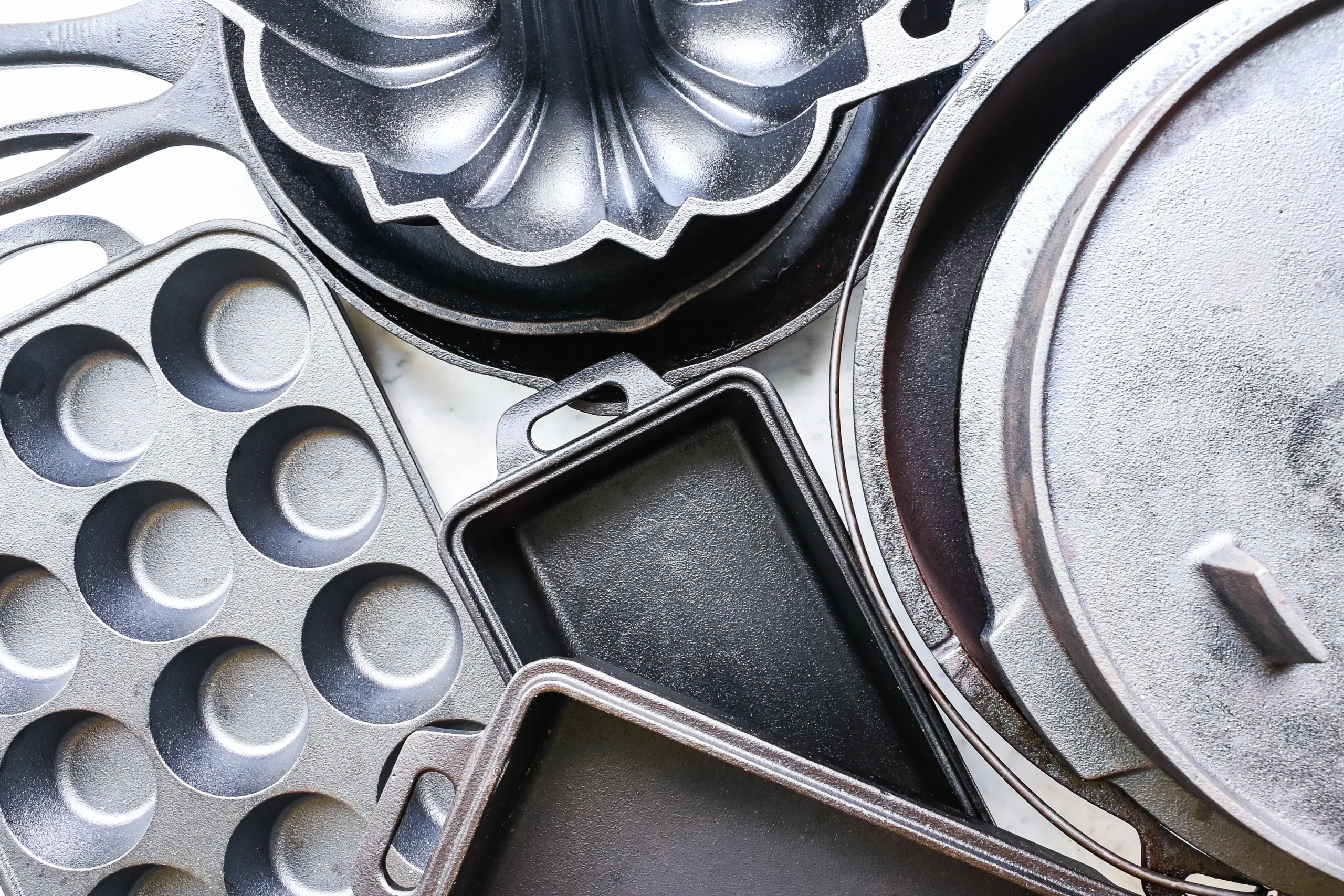
How to Clean a Cast Iron Pan Without Ruining the Seasoning
How to Clean a Cast Iron Pan Without Ruining the Seasoning is a simple guide to keeping cast iron clean, dry, and ready to use. This method shows how to remove stuck-on food, handle light rust, dry the pan properly, and protect the seasoned surface with a light coat of oil. It is an easy cast iron care routine for everyday cooking and baking.
Print
Pin
Servings: 0
Equipment
- paper towel or clean kitchen towel
- warm water
- scraper or stiff brush
- coarse salt, optional for stuck-on food
- mild dish soap, optional
- stove burner or warm oven for drying
- neutral oil for a light finishing coat
Instructions
Wipe out the pan while it is still warm
- After cooking, let the pan cool slightly so it is safe to handle, but do not let food sit in it for hours. Use a paper towel or clean cloth to wipe out loose crumbs, grease, or food bits. If the pan only has a little oil or residue left behind (as pictured above), then this may be all it needs before drying and oiling. If bits of food are stuck, proceed to the next step.
Rinse with warm water if needed
- If food is stuck to the pan, rinse it with warm water. Warm water helps loosen cooked-on bits without shocking the pan. Use a scraper, stiff brush, or non-scratch scrubber to lift away the food. A metal spatula can be used so long as you refrain from aggressive gouging. Avoid soaking the pan in water, since standing moisture is what can lead to rust.
Use a little soap only when necessary
- You can use a small amount of mild dish soap if the pan needs it. A properly seasoned cast iron pan should not be ruined by a quick wash with a little soap. The key is not to soak it, scrub aggressively with harsh cleaners, or leave it wet afterward. Clean it, rinse it, and move right into drying. For stubborn spots, sprinkle a little coarse salt into the pan and scrub with a damp paper towel or cloth. The salt gives you gentle abrasion without being too harsh on the seasoning. Once the stuck-on food is gone, rinse the pan briefly with warm water.
Dry the pan completely
- This is the most important step. Dry the pan right away with a towel, then place it over low heat on the stove for a minute or two to make sure every bit of moisture is gone. Cast iron can rust if it is stored damp, so do not skip this part.
Add a very thin layer of oil
- Once the pan is dry, rub a tiny amount of neutral oil over the surface. Then wipe away the excess with a clean paper towel. The pan should look lightly conditioned, not greasy. Too much oil can leave the surface sticky.
Notes
- Do not soak cast iron in the sink.
- Clean the pan soon after cooking instead of letting food sit.
- Dry the pan completely every time.
- Use only a very thin layer of oil after cleaning.
- Store cast iron in a dry place.
- Cook with it often, since regular use helps build the seasoning.
- Avoid leaving acidic foods in the pan for long periods.