Soft, fluffy, and full of flavor, these sourdough discard rolls are perfect for any meal. Made with simple pantry ingredients and enriched with butter, milk, and eggs, they’re a great way to use up extra sourdough starter. Whether served warm with dinner, split for sandwiches, or enjoyed with butter and jam, these rolls stay soft for days and freeze beautifully.

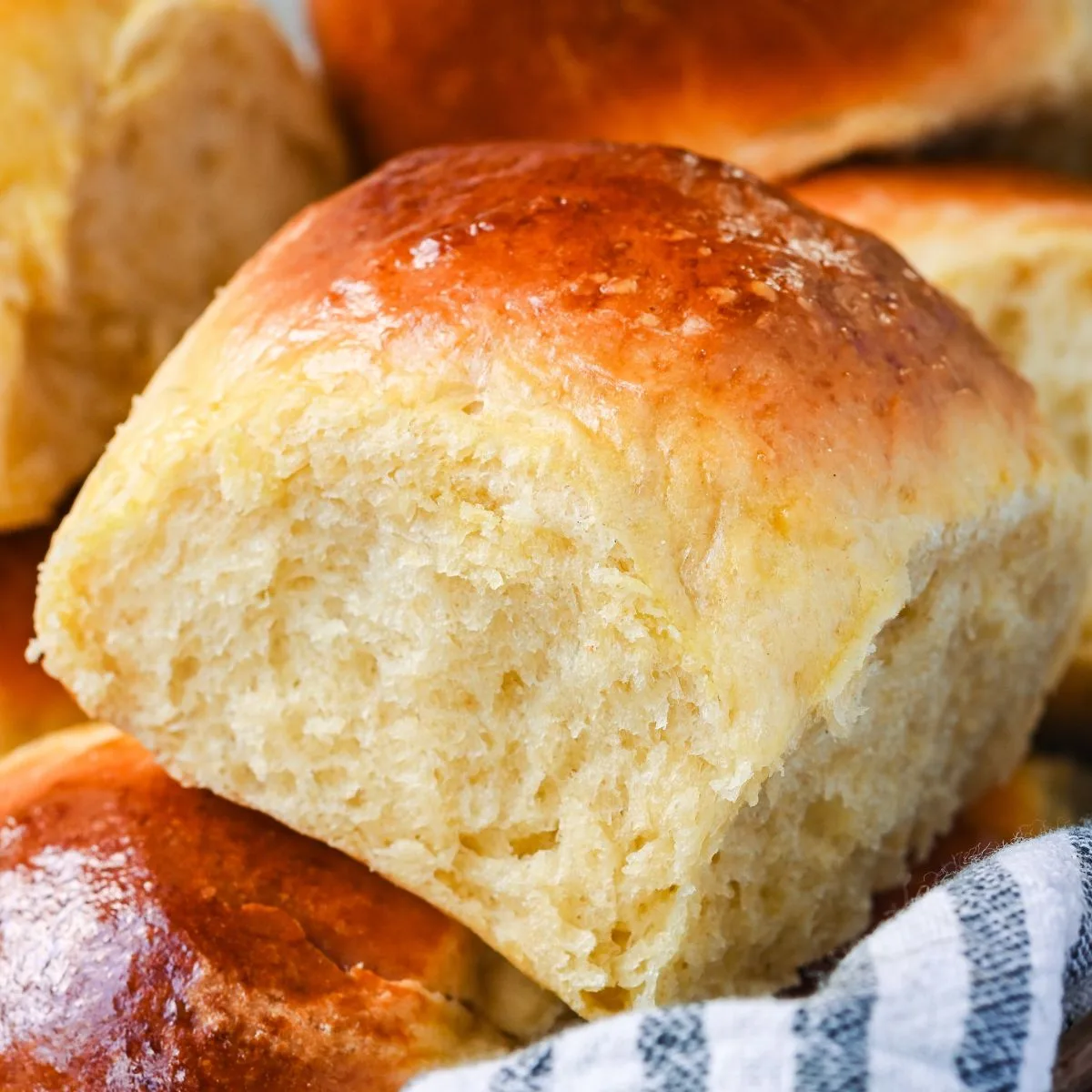
Table of Contents
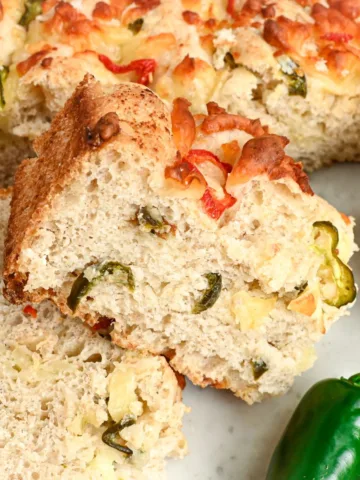
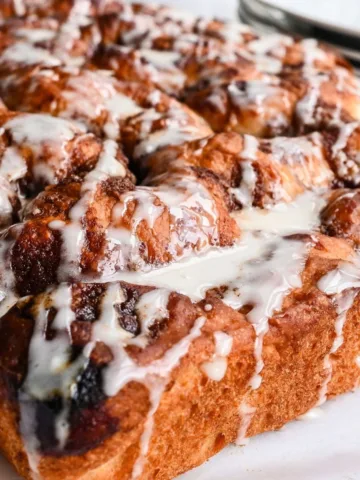
If you love my Super Soft and Fluffy Sourdough Dinner Rolls Recipe, The Best Sourdough Hot Cross Buns Overnight Recipe, or Milled Whole Wheat Sourdough Discard Hot Cross Buns, you’ll want to add these fluffy sourdough discard dinner rolls to your list.
This post contains affiliate links, which means I make a small commission at no extra cost to you. See my full disclosure here.

They’re a great way to use up sourdough discard without waiting for a long ferment. Thanks to instant yeast (a commercial yeast that works quickly), these soft sourdough discard rolls have a short rise time and a beautifully light texture.

Ingredients You’ll Need
- 2 ½ cups all-purpose flour (300g purpose flour – measure with a kitchen scale)
- 3 tablespoons sugar
- 1 teaspoon salt
- 2 ½ teaspoons instant yeast
- ½ cup sourdough discard (or active sourdough starter)
- ½ cup warm milk (warmed to about 100°F)
- 1 large egg (room temperature)
- ⅓ cup unsalted butter, room temperature
- 1 egg (for egg wash)
Step-by-Step Instructions
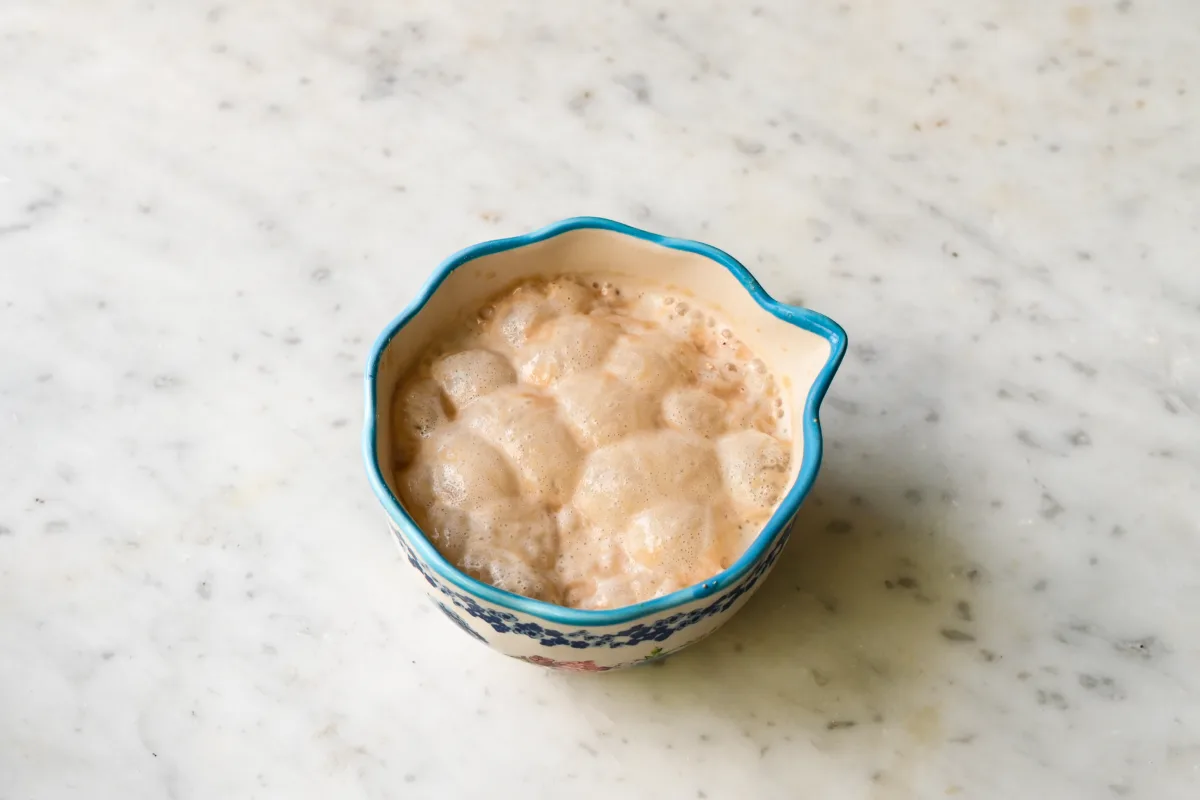
Proof your yeast. Combine yeast into warmed milk with a pinch of sugar. Allow to sit for a few minutes.
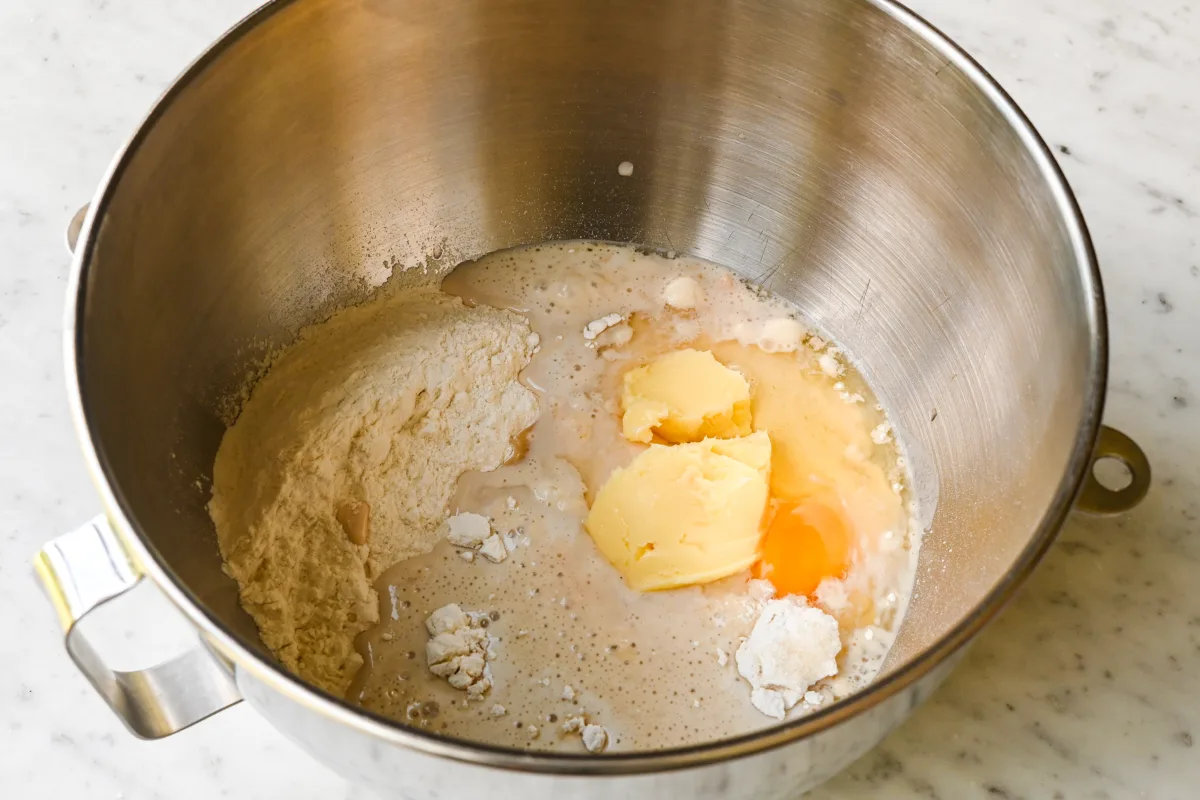
In the bowl of a stand mixer with a dough hook attachment, whisk together the cups of flour, sugar, salt, and milk with yeast proofed in it. Add the sourdough discard, egg, and room temperature butter.

Mix on low speed until a shaggy dough forms, scraping the sides of the bowl as needed. Continue kneading for about 5–7 minutes until smooth and elastic.

Place dough into a greased bowl, cover with plastic wrap, and let the dough rise in a warm place until doubled, about 30–45 minutes.

Turn out onto a lightly floured surface. Flatten out with your hands to create a small rectangle.

Divide into 8 equal pieces.

Shape each piece of dough into smooth shaped rolls.

Arrange in a greased baking pan or parchment-lined baking sheet. Cover and let puff for 30 minutes.

Preheat oven to 375°F (190°C). Brush tops of the rolls with egg wash. Bake until golden brown—18-20 minutes. Cool slightly on a wire rack.

Store cooled rolls in an airtight container at room temperature for up to 3 days, or in a freezer bag for longer storage.

Tried this recipe?
I would love to see it! Tag me on Instagram @idiesfarm and #idiesfarm so I can share your beautiful creation!

Soft Sourdough Discard Rolls (Perfect for Any Meal!)
Ingredients
Method
- Proof your yeast. Combine yeast into warmed milk with a pinch of sugar. allow to sit for a few minutes.
- In the bowl of a stand mixer with a dough hook attachment, whisk together the cups of flour, sugar, salt, and milk with yeast proofed in it. Add the sourdough discard, egg, and room temperature butter.
- Mix on low speed until a shaggy dough forms, scraping the sides of the bowl as needed. Continue kneading for about 5–7 minutes until smooth and elastic.
- Place dough into a greased bowl, cover with plastic wrap, and let the dough rise in a warm place until doubled, about 30–45 minutes.
- Turn out onto a lightly floured surface. Flatten out with your hands to create a small rectangle.
- Divide into 8 equal pieces.
- Shape each piece of dough into smooth shaped rolls.
- Arrange in a greased baking pan or parchment-lined baking sheet. Cover and let puff for 30 minutes.
- Preheat oven to 375°F (190°C). Brush tops of the rolls with egg wash. Bake until golden brown—18-20 minutes. Cool slightly on a wire rack.
- Store cooled rolls in an airtight container at room temperature for up to 3 days, or in a freezer bag for longer storage.
Notes

Welcome!
Hi! I’m Stephanie, also known as Idie. Follow me as I tap into the methods of the past and learn how to make my world a little smaller.