Many natural deodorant recipes rely on baking soda, but not everyone’s skin tolerates it well. After testing several homemade deodorant recipes, I quickly realized that baking soda can sometimes feel too strong, especially for sensitive skin.
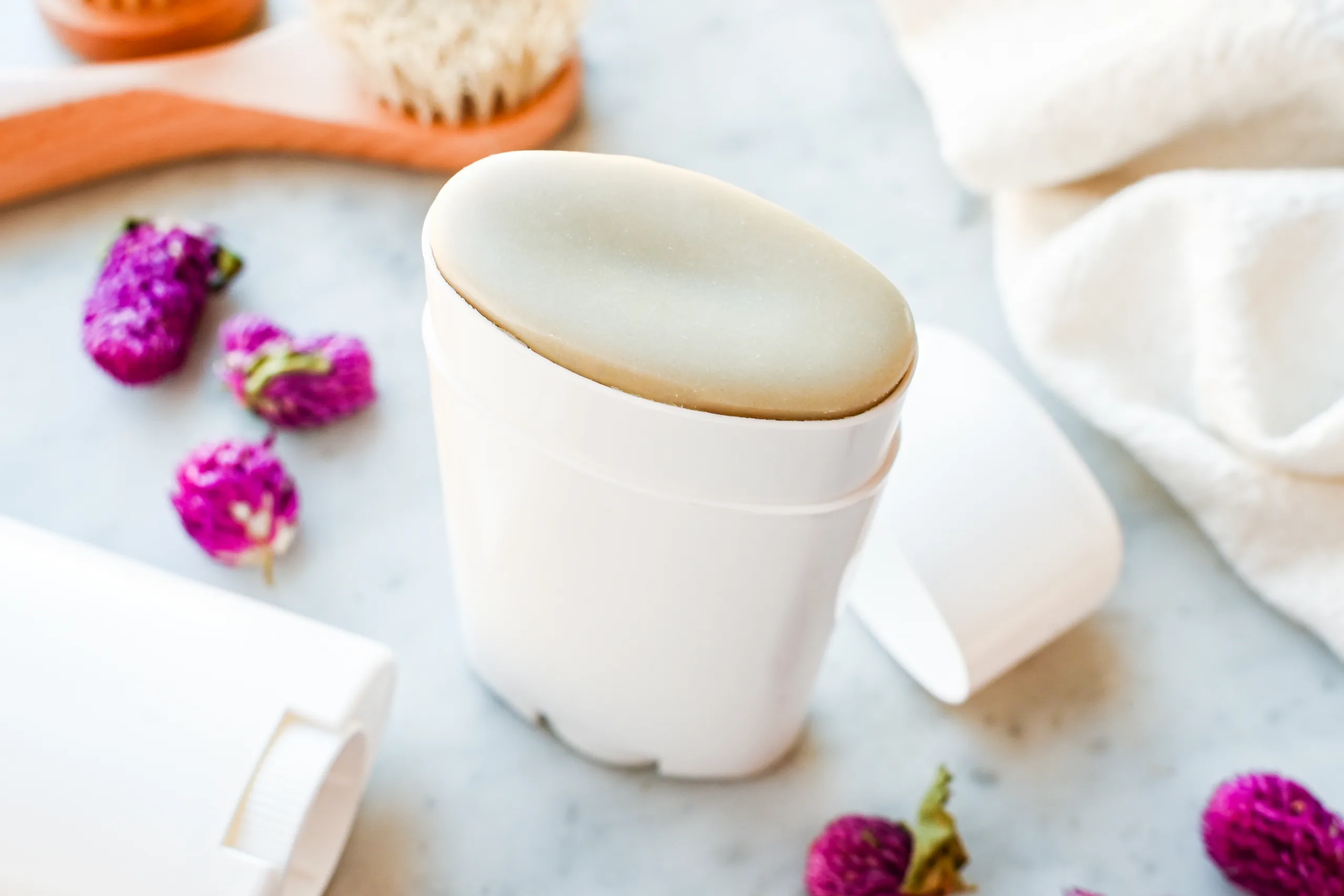
Once I began making simple things like my homemade cold process bastille soap and homemade lip balm, it only made sense to try a DIY deodorant recipe too.
That’s what led me to develop this baking soda free natural deodorant recipe. Instead of relying on baking soda for odor control, this version uses gentle ingredients like arrowroot powder and bentonite clay to help absorb moisture and keep things feeling fresh. It’s a simple, effective option for anyone looking for a softer approach to natural deodorants.
Table of Contents
This post contains affiliate links, which means I make a small commission at no extra cost to you. See my full disclosure here.
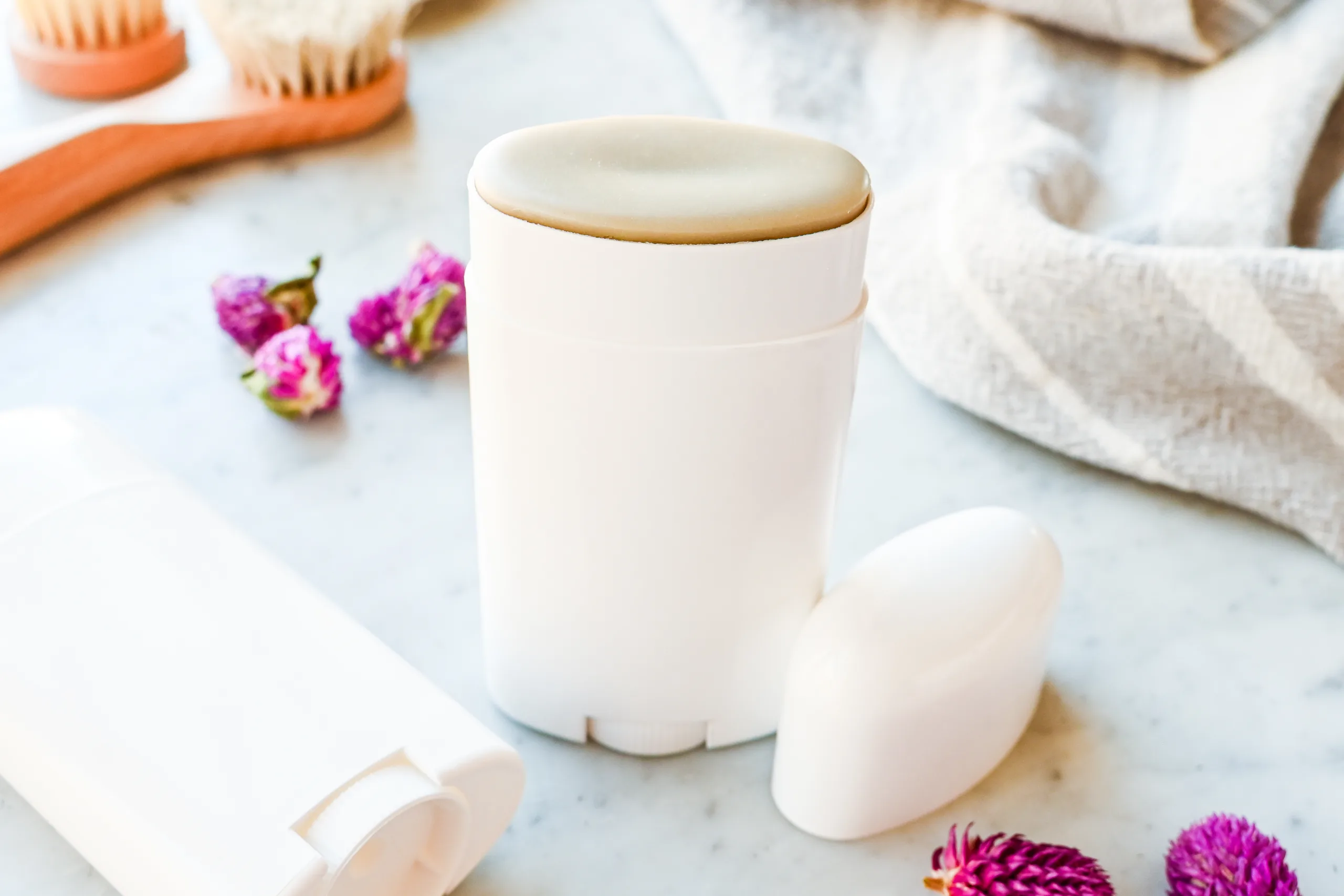
Quick Look at This Recipe
Prep time: 10 minutes
Set time: 30 minutes
Total time: About 40 minutes
Yield: About 4 ounces of deodorant
Texture: Smooth balm that softens when applied
Best for: Everyday odor control for sensitive skin
Why I Started Making a Baking Soda Free Deodorant
When I first started experimenting with natural deodorants, I tried several recipes that included baking soda. They worked well for odor control, which is a must having a homestead! But they were not always gentle on the skin.
I began hearing the same thing from others who were trying natural deodorants. Many people with sensitive skin find baking soda irritating.
So I started testing different combinations of ingredients that would still work well but without baking soda. After several batches, this formula became one of my favorites.
It is simple, effective, and made with natural ingredients that are easy to work with.

What Makes This Natural Deodorant Work
This deodorant recipe focuses on ingredients that help absorb moisture and neutralize odor while still nourishing the skin.
Instead of baking soda, it relies on:
• arrowroot powder to absorb moisture
• bentonite clay to help neutralize odor
• nourishing fats like tallow and shea butter
• beeswax for stability
The result is a gentle deodorant that works well for everyday use.
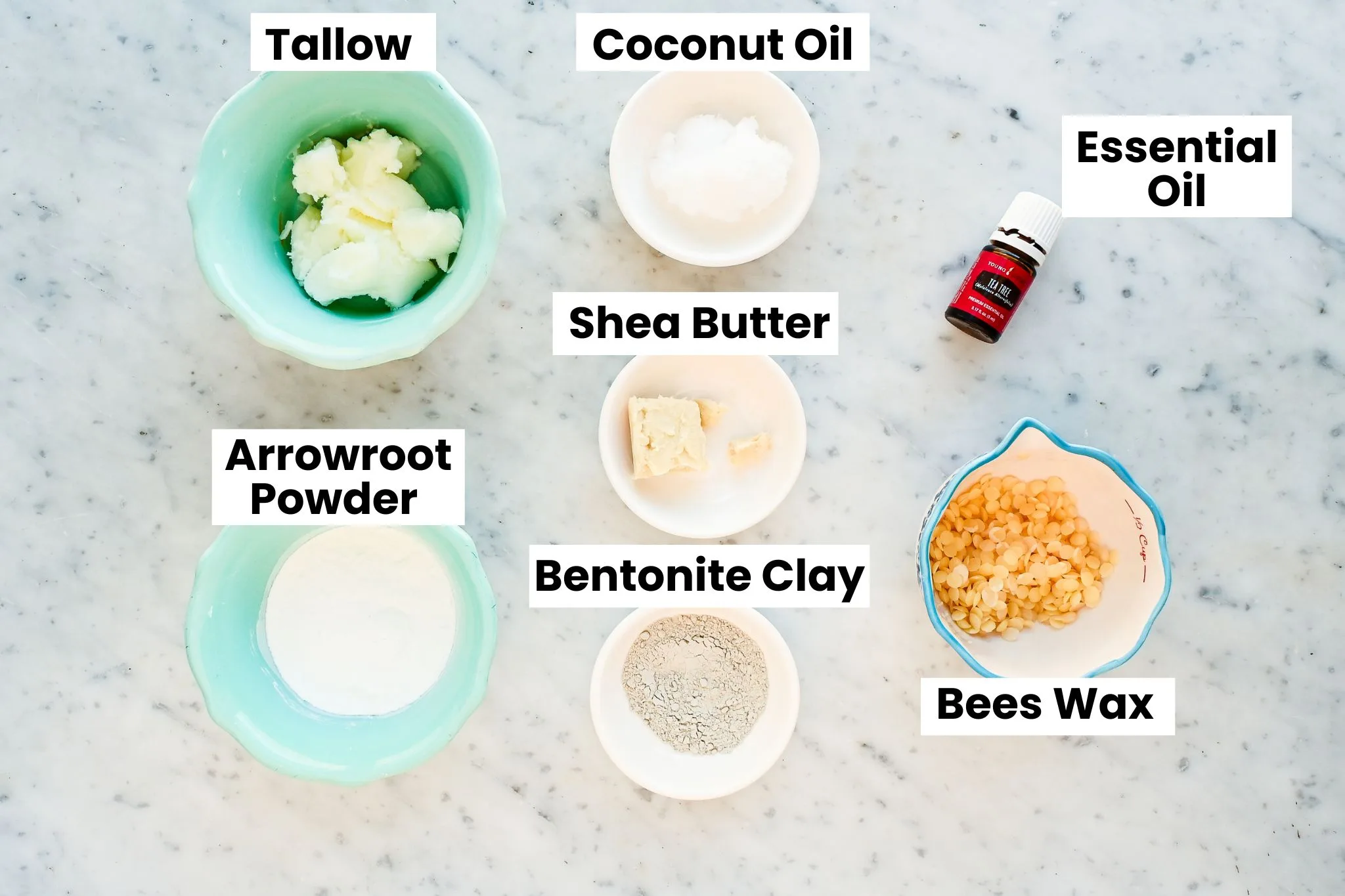
Baking Soda Free Natural Deodorant Ingredients (Makes about 4 oz)
42 g grass-fed tallow (about 3 tablespoons)
23 g arrowroot powder (about 2 tablespoons)
17 g coconut oil (about 1 tablespoon)
14 g beeswax (about 1 tablespoon)
11 g shea butter (about 2 teaspoons)
6 g bentonite clay (about 1 teaspoon)
1 g essential oil, optional (about 15–20 drops)
Tea tree oil is a common choice for deodorant recipes, but lavender or lemon can also work well.
Essential oils are optional. This pomade is effective without them. When I link to essential oils, I’m linking to the brand I personally use and trust. Young Living offers a 10% share discount on orders of 50 PV or more with code SHAREYL, if you’d like to take advantage of it
Why I Use These Ingredients
Each ingredient in this homemade deodorant serves a purpose.
Tallow forms the base of the deodorant. It nourishes the skin and helps create a smooth balm texture.
Beeswax keeps the deodorant firm and helps it hold its shape, even during warmer summer months like July.
Arrowroot powder helps absorb moisture and keeps the deodorant feeling dry.
Bentonite clay is often used in natural skincare products because it helps neutralize odor and gives the deodorant a silky feel.
Shea butter softens the mixture so the deodorant glides smoothly when applied.
Coconut oil helps the ingredients melt together and adds a little conditioning for the skin.
Essential oils are optional. I usually add just a small amount, often tea tree oil or lavender.
Equipment
Double boiler or heat safe bowl
Spoon or small whisk
Small jars or deodorant tubes
Step-by-Step Instructions

Place the tallow, beeswax, coconut oil, and shea butter in a double boiler over low heat.
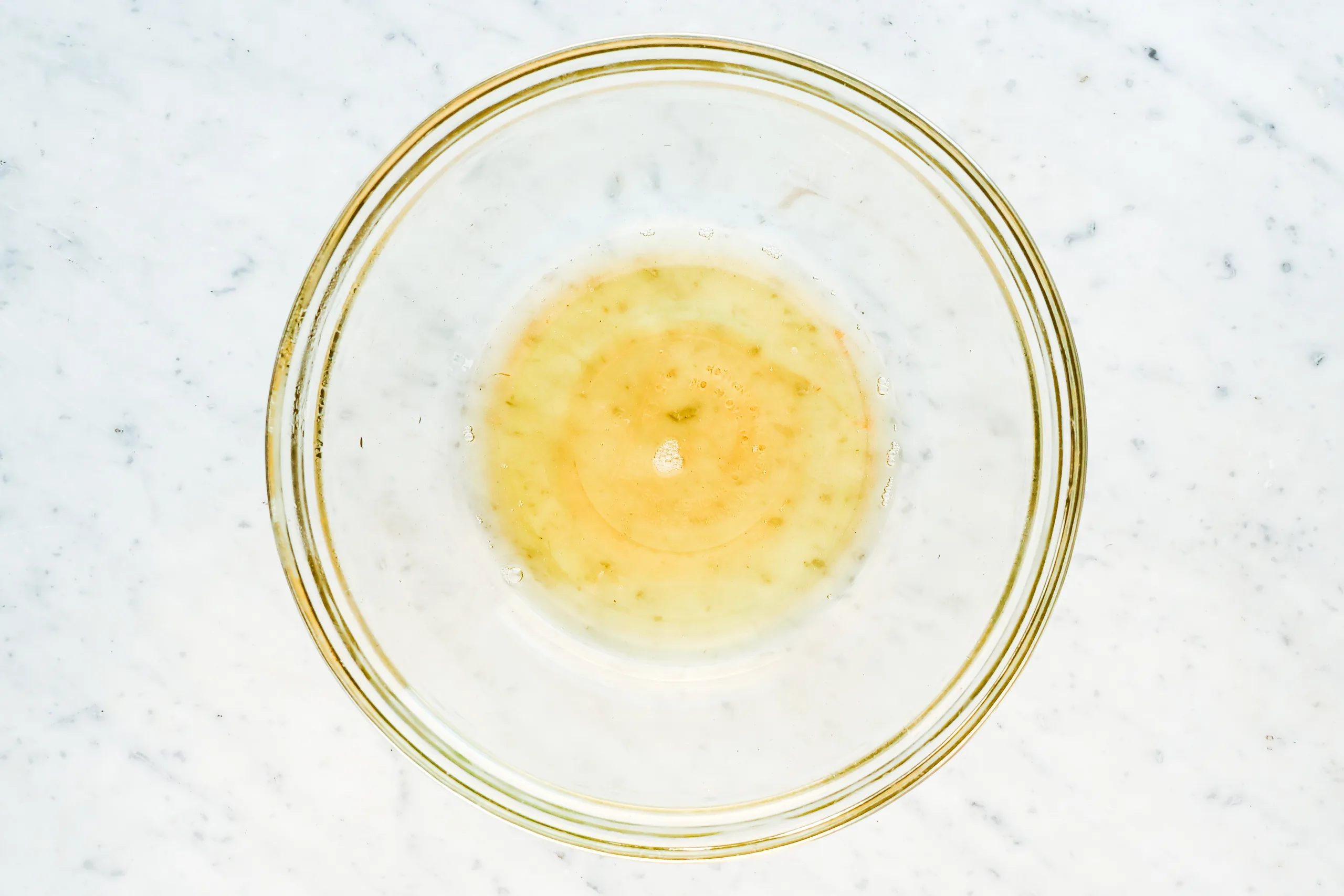
Allow everything to melt slowly, stirring occasionally. Once fully melted, remove from heat.
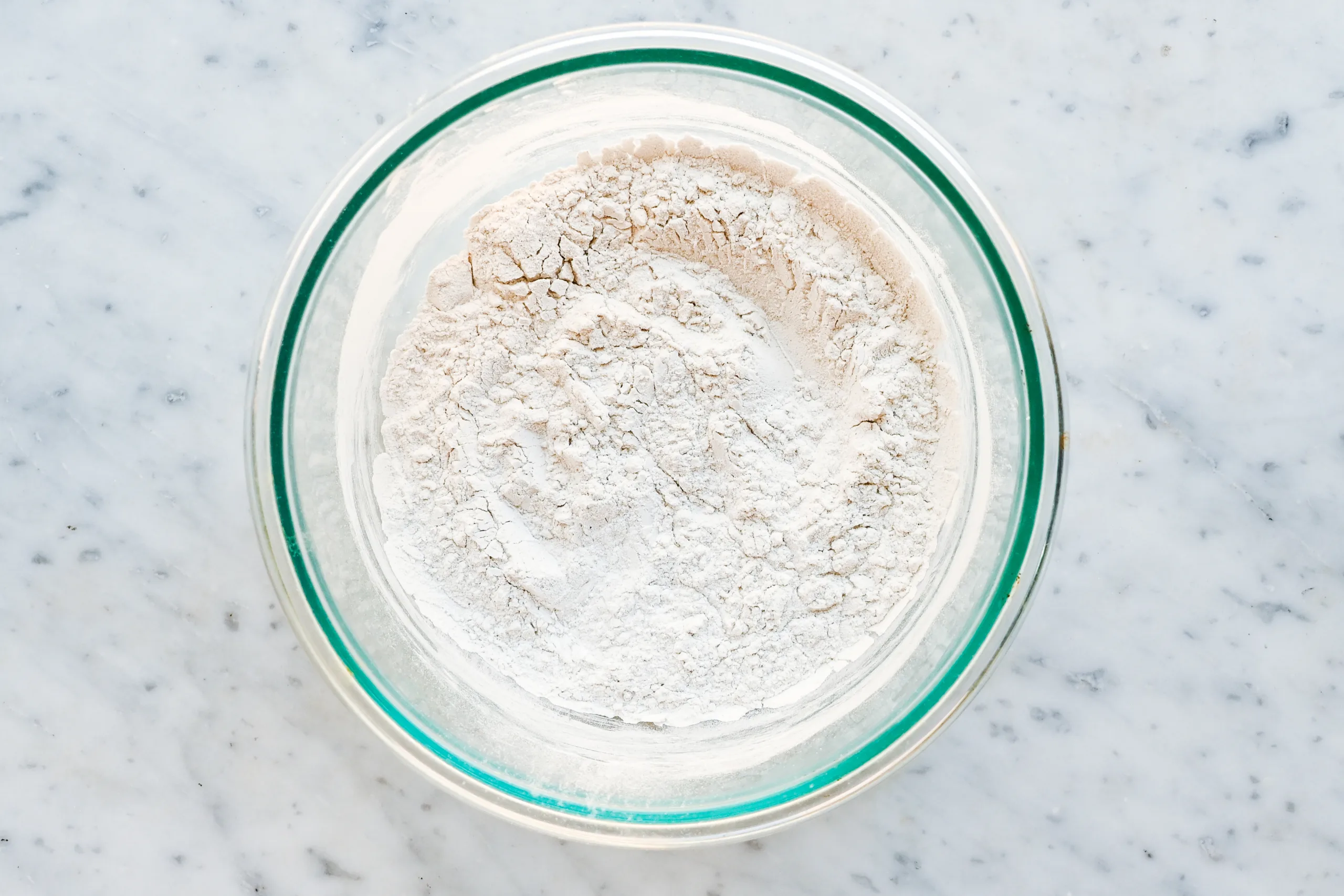
Whisk together the arrowroot powder and bentonite clay in a small bowl.

Stir the powders into the melted oils, mixing thoroughly so there are no clumps.

Allow the mixture to cool slightly. Add essential oils if using and stir again.

Pour the mixture into containers and allow it to set completely at room temperature. As it cools, the deodorant will firm into a smooth balm.
Tips for Making Baking Soda Free Natural Deodorant
Whisk the powders together first.
Before adding the arrowroot powder and bentonite clay to the melted oils, whisk them together in a small bowl. This helps prevent clumps and keeps the deodorant smooth.
Use low heat when melting oils.
When using a double boiler, keep the heat low and gentle. High heat can affect the texture of ingredients like shea butter.
Let the mixture cool slightly before adding essential oils.
Essential oils can lose their scent when exposed to high heat. Waiting a minute or two before adding them helps preserve their fragrance.
Start with a small amount when applying.
A little goes a long way. Applying too much can make the deodorant feel heavy, so start small and add more only if needed.
Store in a cool place during warm months.
Beeswax helps keep the deodorant firm, but if your home becomes very warm during the summer, storing it in a cooler spot can help maintain its texture.
Choose gentle essential oils.
Tea tree oil and lavender are two of the most common essential oils used in natural deodorant recipes because they have fresh scents and are generally well tolerated on skin.

How I Use This Homemade Deodorant
I apply a small amount after showering.
Because this deodorant is concentrated, a little goes a long way. Using too much can feel heavy, so I always start with a small amount.
A Note on Natural Deodorants
Natural deodorants work differently than conventional antiperspirants.
Instead of blocking sweat, they help control odor while allowing the body to sweat naturally.
When switching to natural deodorants, it can take a little time for your body to adjust. I found that once I stuck with it consistently, this recipe worked really well.
Frequently Asked Questions About Baking Soda Free Deodorant
Why avoid baking soda?
Some people find baking soda irritating when used in deodorant. This soda free deodorant recipe is designed to be gentler on sensitive skin.
Can I leave out essential oils?
Yes! The deodorant will still work without them.
Will bentonite clay stain clothing?
If applied sparingly and allowed to absorb before dressing, I have not experienced staining.
Can I use this during summer?
Yes. The beeswax helps the deodorant remain firm even during warmer months.

Tried this recipe?
I would love to see it! Tag me on Instagram @idiesfarm and #idiesfarm so I can share your beautiful creation!
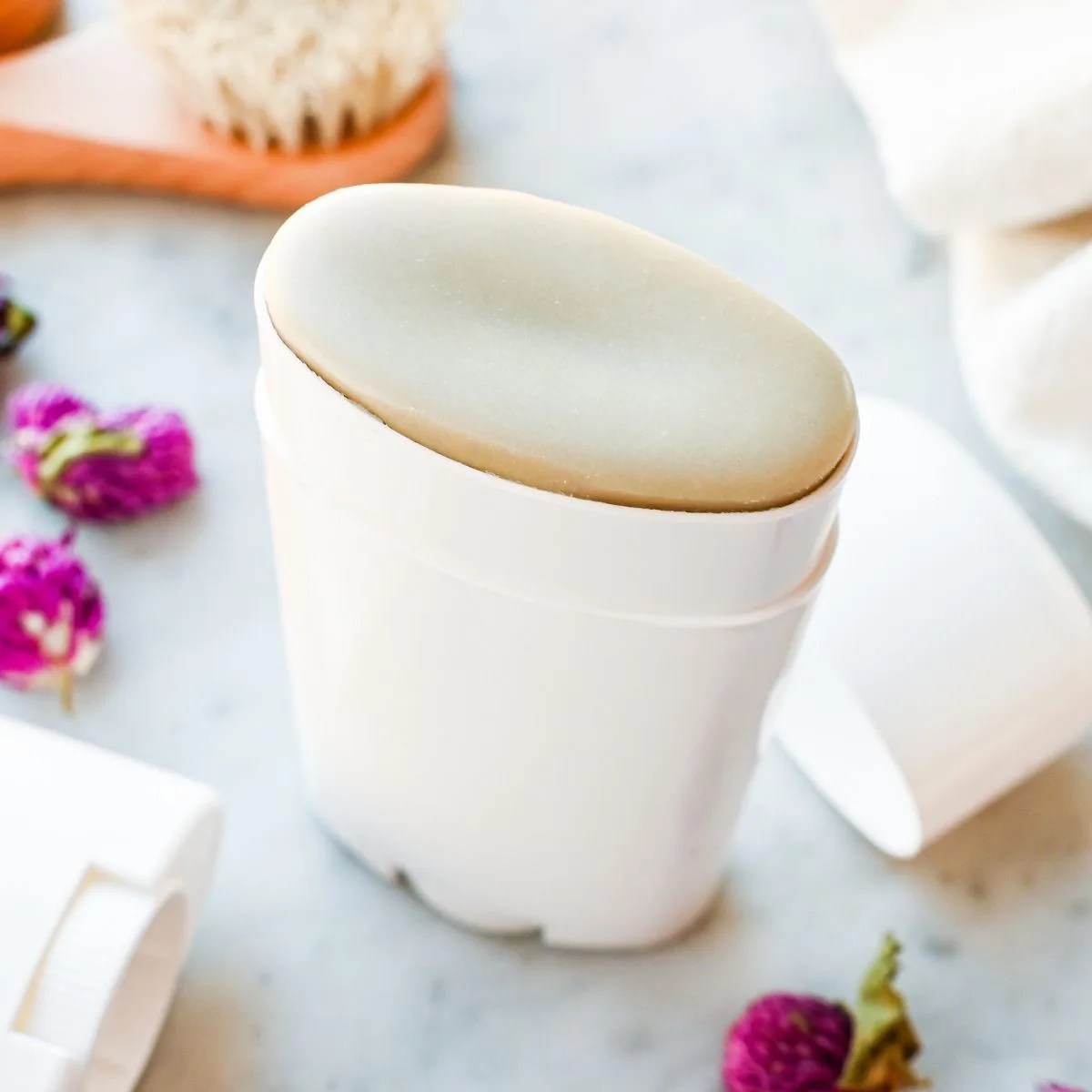

Baking Soda Free Tallow Deodorant Recipe (Gentle DIY for Sensitive Skin)
Ingredients
Equipment
Method
- Place the tallow, beeswax, coconut oil, and shea butter in a double boiler over low heat.
- Allow everything to melt slowly, stirring occasionally. Once fully melted, remove from heat.
- Whisk together the arrowroot powder and bentonite clay in a small bowl.
- Stir the powders into the melted oils, mixing thoroughly so there are no clumps.
- Allow the mixture to cool slightly. Add essential oils if using and stir again.
- Pour the mixture into containers and allow it to set completely at room temperature. As it cools, the deodorant will firm into a smooth balm.
Notes
Whisk the powders together first.
Before adding the arrowroot powder and bentonite clay to the melted oils, whisk them together in a small bowl. This helps prevent clumps and keeps the deodorant smooth. Use low heat when melting oils.
When using a double boiler, keep the heat low and gentle. High heat can affect the texture of ingredients like shea butter. Let the mixture cool slightly before adding essential oils.
Essential oils can lose their scent when exposed to high heat. Waiting a minute or two before adding them helps preserve their fragrance. Start with a small amount when applying.
A little goes a long way. Applying too much can make the deodorant feel heavy, so start small and add more only if needed. Store in a cool place during warm months.
Beeswax helps keep the deodorant firm, but if your home becomes very warm during the summer, storing it in a cooler spot can help maintain its texture. Choose gentle essential oils.
Tea tree oil and lavender are two of the most common essential oils used in natural deodorant recipes because they have fresh scents and are generally well tolerated on skin.

Welcome!
Hi! I’m Stephanie, also known as Idie. Follow me as I tap into the methods of the past and learn how to make my world a little smaller.