Elderberry tea is more than just a cozy, tart-flavored drink—it’s a time-honored herbal tea that has been used for centuries for its powerful health benefits. Made from the berries of the elder tree (Sambucus nigra), this simple tea is one of the best ways to support a healthy immune system, especially during flu season.
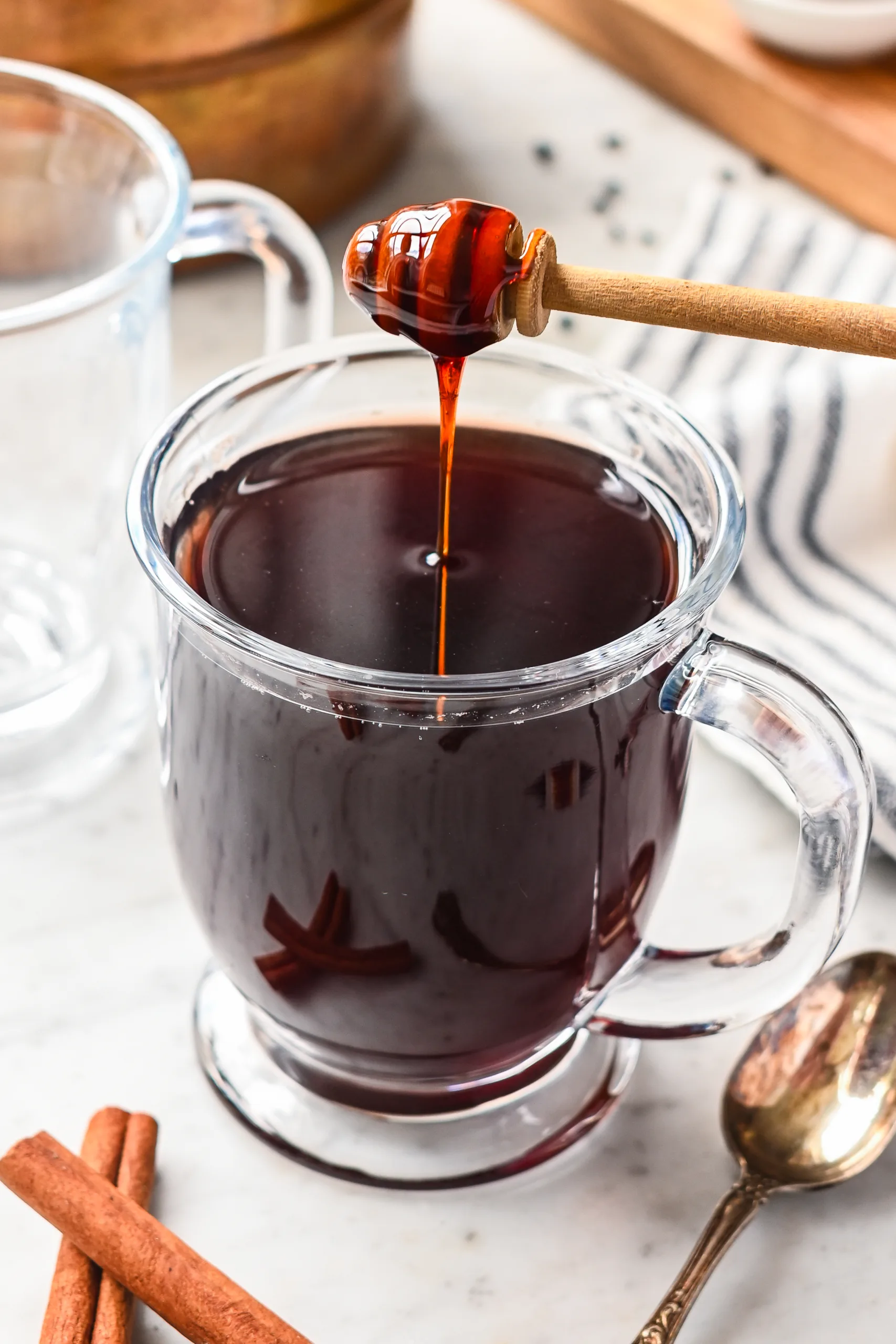
Table of Contents
This post contains affiliate links, which means I make a small commission at no extra cost to you. See my full disclosure here.
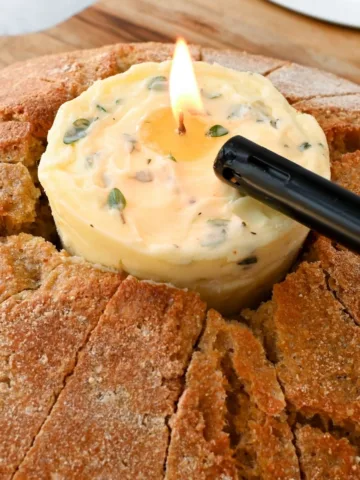
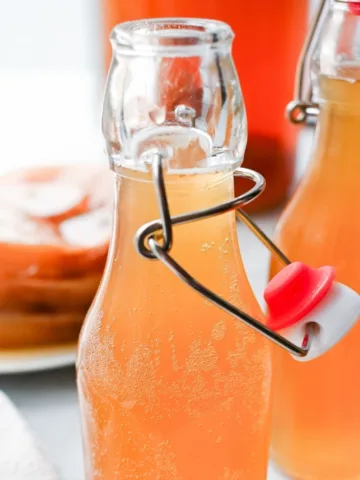
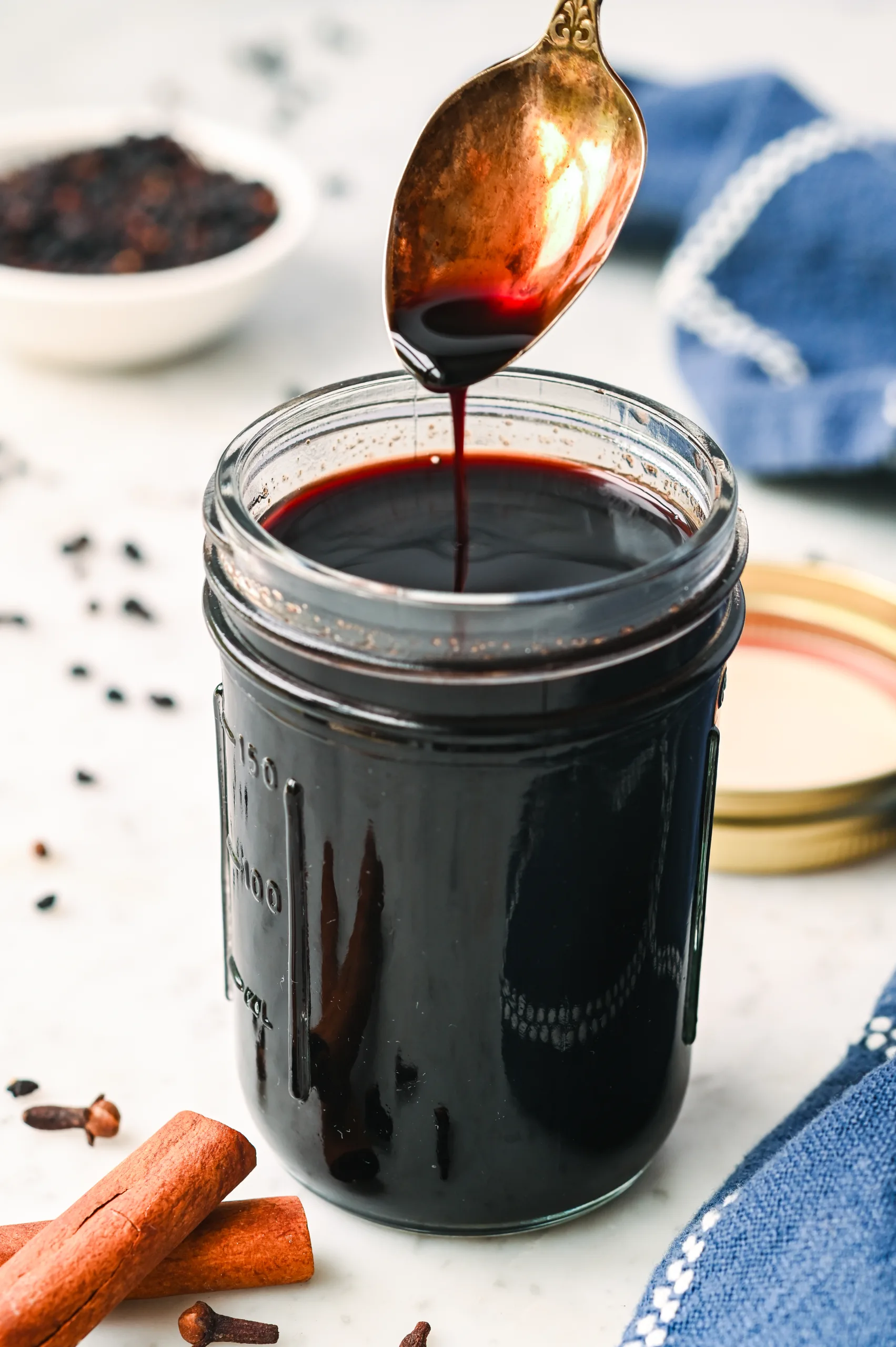
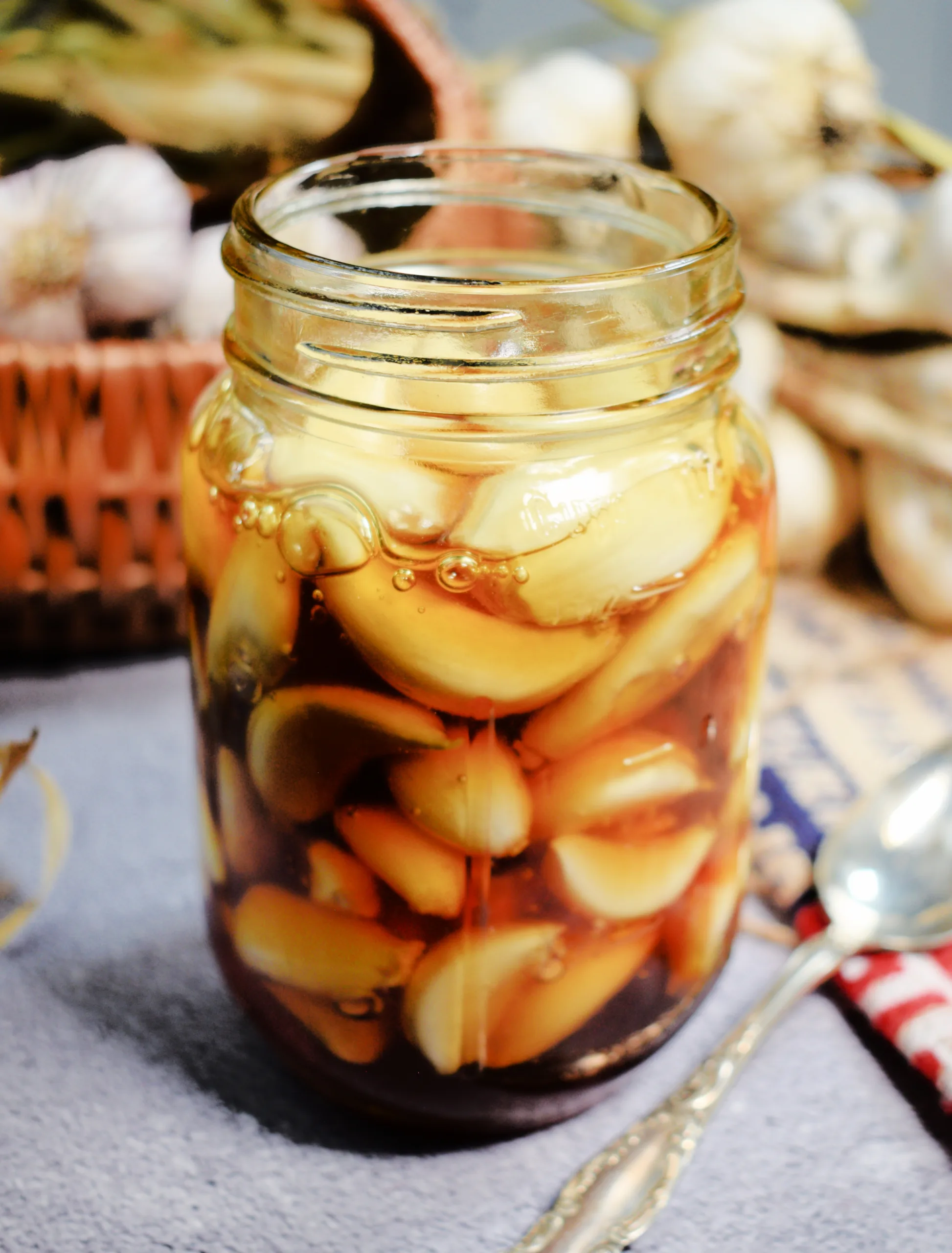
At Idie’s Farm, I often pair a cup of elderberry tea with other homemade remedies I keep on hand, like my elderberry syrup for daily wellness, fermented garlic honey for soothing sore throats, and even raw apple cider vinegar made from orchard apples as a natural tonic. These three make a wonderful seasonal toolkit when cold symptoms start to appear.
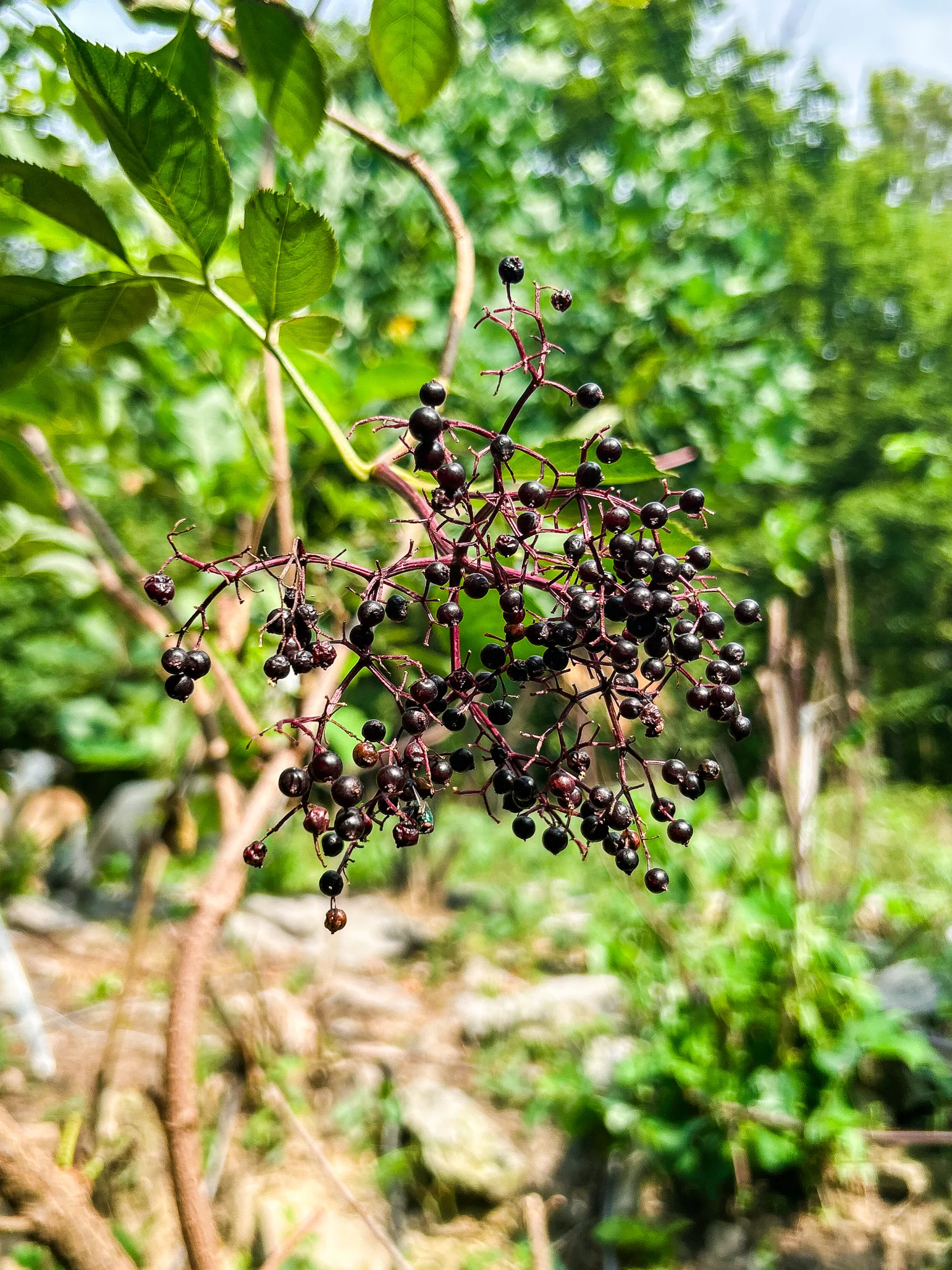
The elderberry plant has been valued in folk medicine around the world. Native Americans, ancient Egyptians, and people across Europe turned to elderberry flowers, elderberry syrup, elderberry wine, and elderberry extracts as natural ways to ease sore throats, flu symptoms, and more stubborn health problems. Today, healthcare practitioners still study the berries for their antioxidant compounds, antiviral effects, and ability to support a healthy immune system.
Elderberry Tea Benefits
There are so many good reasons to enjoy a single cup of elderberry tea daily:
- Immune Support: Black elderberries are packed with vitamin C, phenolic acids, and anthocyanins that may help reduce oxidative stress and increase white blood cell count. This can play a role in flu treatments and faster recovery from flu symptoms.
- Antioxidants: Elderberry tea fights free radicals and helps protect cells from UV radiation damage, lowering the risk of chronic disease.
- Digestive Health: Elderberries provide dietary fiber, which supports gut health and digestion.
- Circulatory Benefits: Some studies suggest elderberry tea may help lower blood pressure and support cardiovascular wellness.
- Soothing Relief: A hot cup of water steeped with dried berries and a cinnamon stick is a tasty way to ease a sore throat or achy body during flu season.
Flavor and Aroma
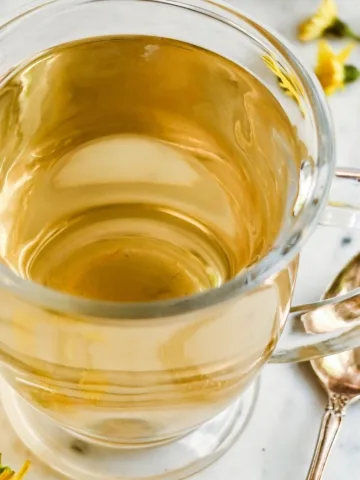
When steeped, elderberry tea has a dark purple color and a naturally tart taste. Some describe it as similar to tart berries or red wine, with a delicious flavor that blends beautifully with other tea blends like elderflower teas, hibiscus, or peppermint. To balance the tart flavor, stir in your favorite sweetener—honey, maple syrup, or even a spoonful of elderberry syrup.

How to Make Elderberry Tea (Simple Steps)
Ingredients
- 2 heaping teaspoons dried elderberries
- 2 cups of water
- 1 cinnamon stick (optional, for extra flavor)
- 1 teaspoon of fresh grated ginger
- Honey or your favorite sweetener (optional)
Directions

STEP 1: Add dried elderberries, grated ginger, water, and a cinnamon stick to a sauce pan and bring to a boil. Reduce heat and simmer for 15–20 minutes. (This will give you the full benefits of the elderberry.)
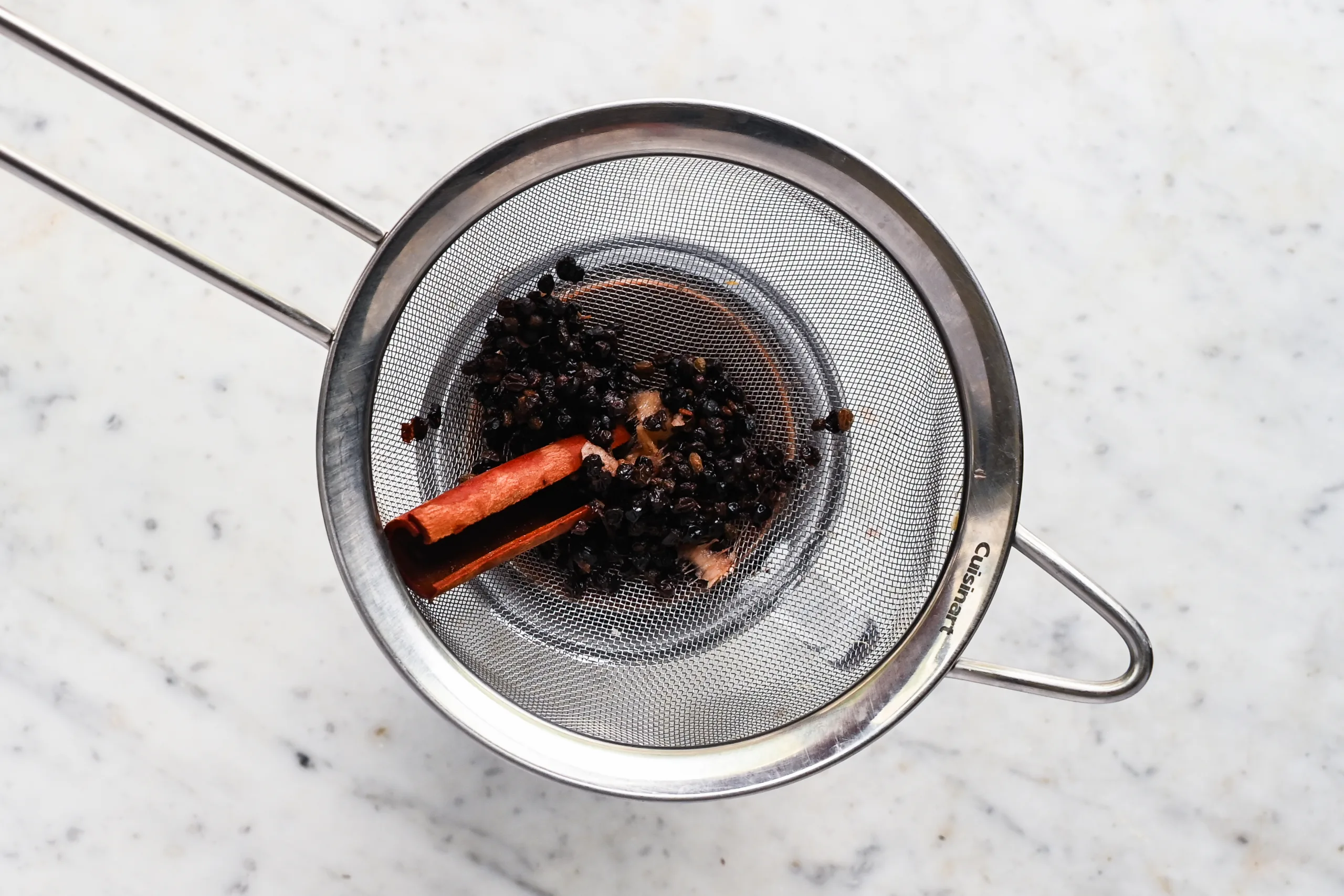
STEP 2: Strain the tea into a mug.
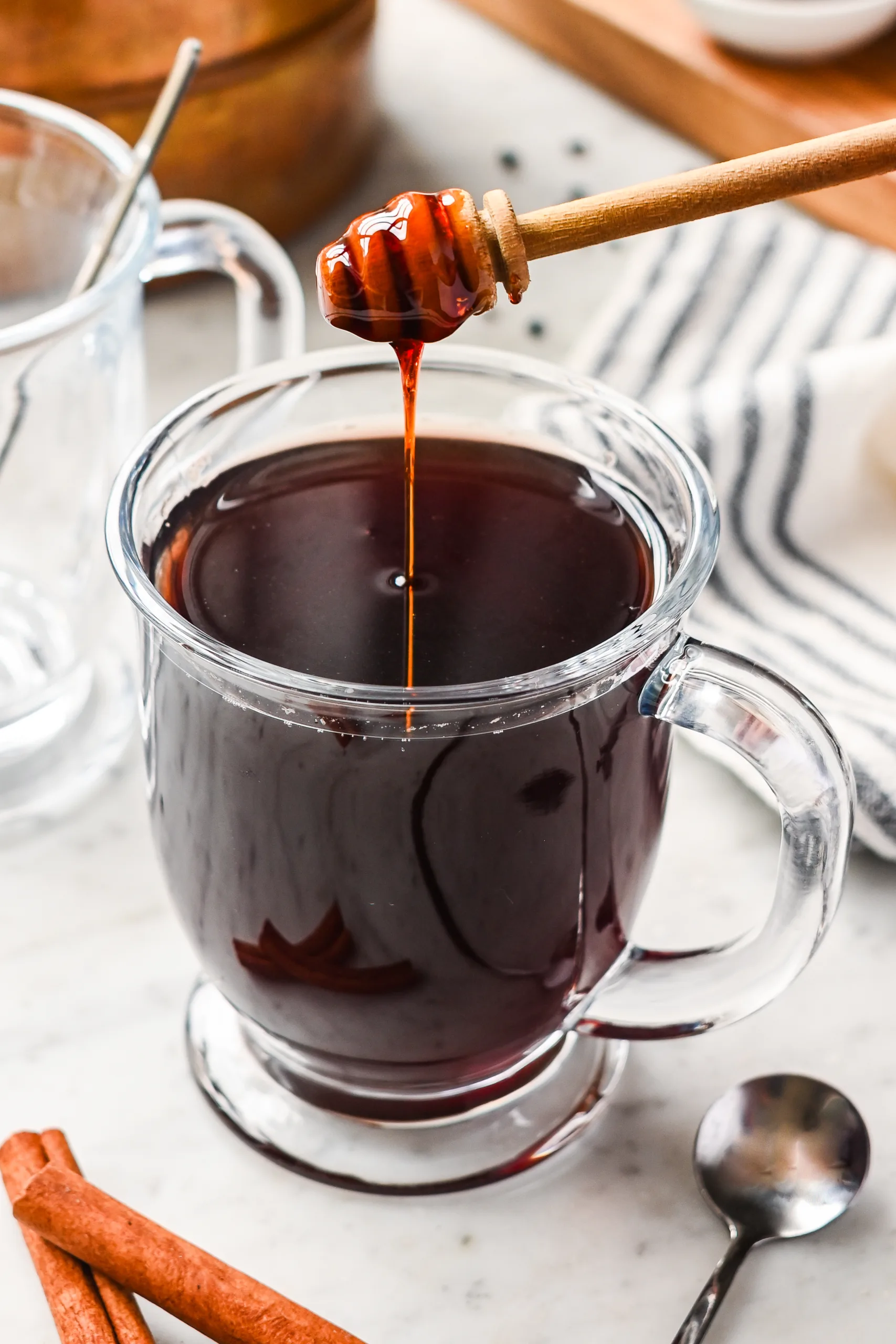
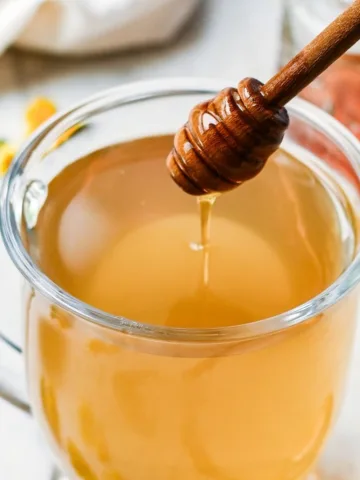
STEP 3: Sweeten with honey, maple syrup, or elderberry syrup.
Elderberry Across History
- Native Americans used different parts of the elderberry plant for pain relief and cold symptoms.
- Ancient Egyptians turned to elderberry products for skin care and flu-like issues.
- Europeans crafted elderflower teas, elderberry wine, and elderberry syrups for centuries.
Frequently Asked Questions
Can I use tea bags instead of dried berries?
Yes! You can find elderberry tea bags or tea blends with elderberries and elderflowers. However, using dried berries gives you a stronger flavor and more concentrated elderberry tea benefits.
What’s the best way to sweeten elderberry tea?
Honey is a classic choice—it also helps with sore throats. For an immune-boosting option, try a spoonful of fermented garlic honey.
Can elderberry tea help with flu treatments?
While elderberries are often studied for their ability to shorten flu symptoms, this herbal tea is not medical advice. Always consult healthcare practitioners before using elderberry tea as a treatment.
What’s the difference between elderberry tea and elderberry syrup?
Elderberry syrup is concentrated and sweetened, making it a great daily tonic. Elderberry tea is lighter, with a tart flavor, and is a soothing drink when served hot. Both are excellent ways to support wellness.
Is it safe to use raw elderberries?
No—unripe or raw elderberries contain compounds that may cause nausea. Always use ripe or dried berries when brewing tea.
Final Thoughts
Elderberry tea is one of the tastiest natural ways to support wellness. With its tart flavor, dark purple color, and long history in folk medicine, this herbal tea is a great way to soothe flu symptoms, ease a sore throat, and support your immune system through the seasons. Whether you enjoy it alongside elderberry syrup, fermented garlic honey, or raw apple cider vinegar, this simple tea is a delicious, easy way to stay healthy.


Elderberry Tea (Herbal Tea with Immune-Boosting Benefits)
Ingredients
Method
- Add dried elderberries, grated ginger, water, and a cinnamon stick (optional) to a sauce pan and bring to a boil. Reduce heat and simmer for 15–20 minutes. (This will give you the full benefits of the elderberry.)
- Strain the tea into a mug.
- Sweeten with honey, maple syrup, or elderberry syrup.
Notes
Tips for the Best Elderberry Tea
- Always use ripe or dried berries: Raw or unripe elderberries can cause stomach upset. Stick with dried berries or ripe fresh berries.
- Shorter vs. longer steeping time: A shorter steep gives a lighter flavor, while a longer simmer draws out more elderberry tea benefits and a deeper dark purple color.
- Boost with spices: Add a cinnamon stick, fresh ginger, or cloves for extra flavor and soothing benefits during flu season.
- Sweeten naturally: Stir in your favorite sweetener—honey, maple syrup, or even a spoonful of elderberry syrup—for added flavor.
- Blend with other herbs: Elderflower teas, peppermint, or hibiscus make great tea blends with elderberries.
- Make ahead: Brew a larger batch, store in an airtight container in the fridge, and reheat a cup of elderberry tea as needed.
- Try it cold over ice in the summer for a refreshing tart taste.
- Pair with other remedies: Enjoy alongside fermented garlic honey or raw apple cider vinegar for an immune-boosting routine.
Disclaimer: This elderberry tea recipe is provided for informational purposes only and is not intended as medical advice. The health benefits of elderberry and other medicinal herbs are still being researched, and statements made here have not been evaluated by the Food and Drug Administration. Elderberries contain cyanogenic glycosides and should never be consumed raw; cooking them removes these compounds. Always consult your healthcare provider before using any herbal remedies, especially if you are pregnant, nursing, giving to children, or have underlying health conditions. The author of this blog is not responsible for any adverse effects or consequences resulting from the use of recipes, suggestions, or procedures described here.