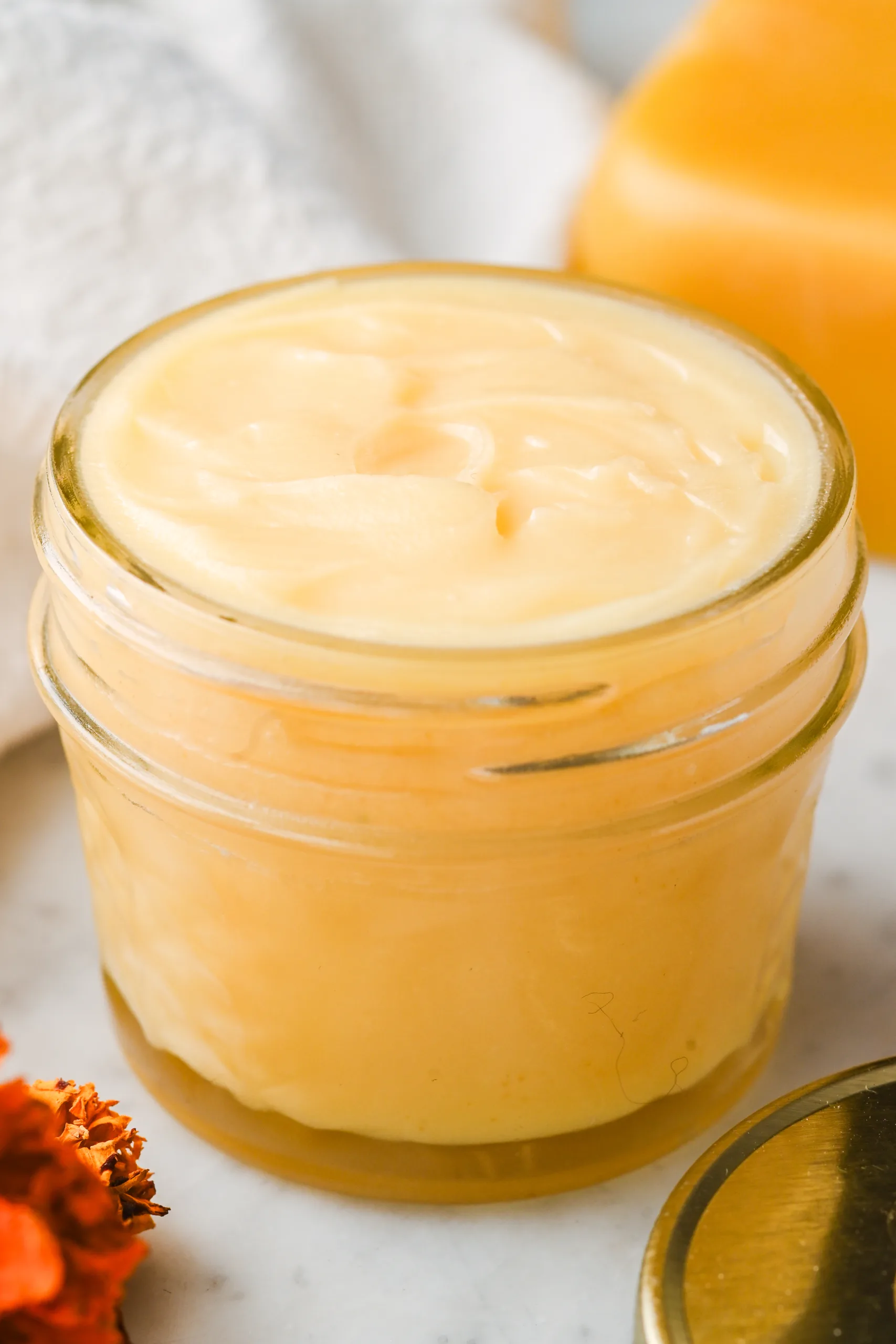
Simple skincare has always had a place in my home kitchen. Long before shelves were filled with complicated products, people relied on nourishing fats, gentle oils, and simple balm recipes to protect and calm the skin. This tallow balm recipe is made with grass fed beef tallow, a small amount of beeswax, and carefully chosen oils to create a soothing balm for sensitive skin and acne prone skin without harsh ingredients. While I also make a Deeply Hydrating Old-Fashioned Tallow Face Cream and a Tallow Face Balm for Fine Lines and Mature Skin for drier or more mature skin needs, this version is designed specifically for skin that feels irritated or blemish-prone.
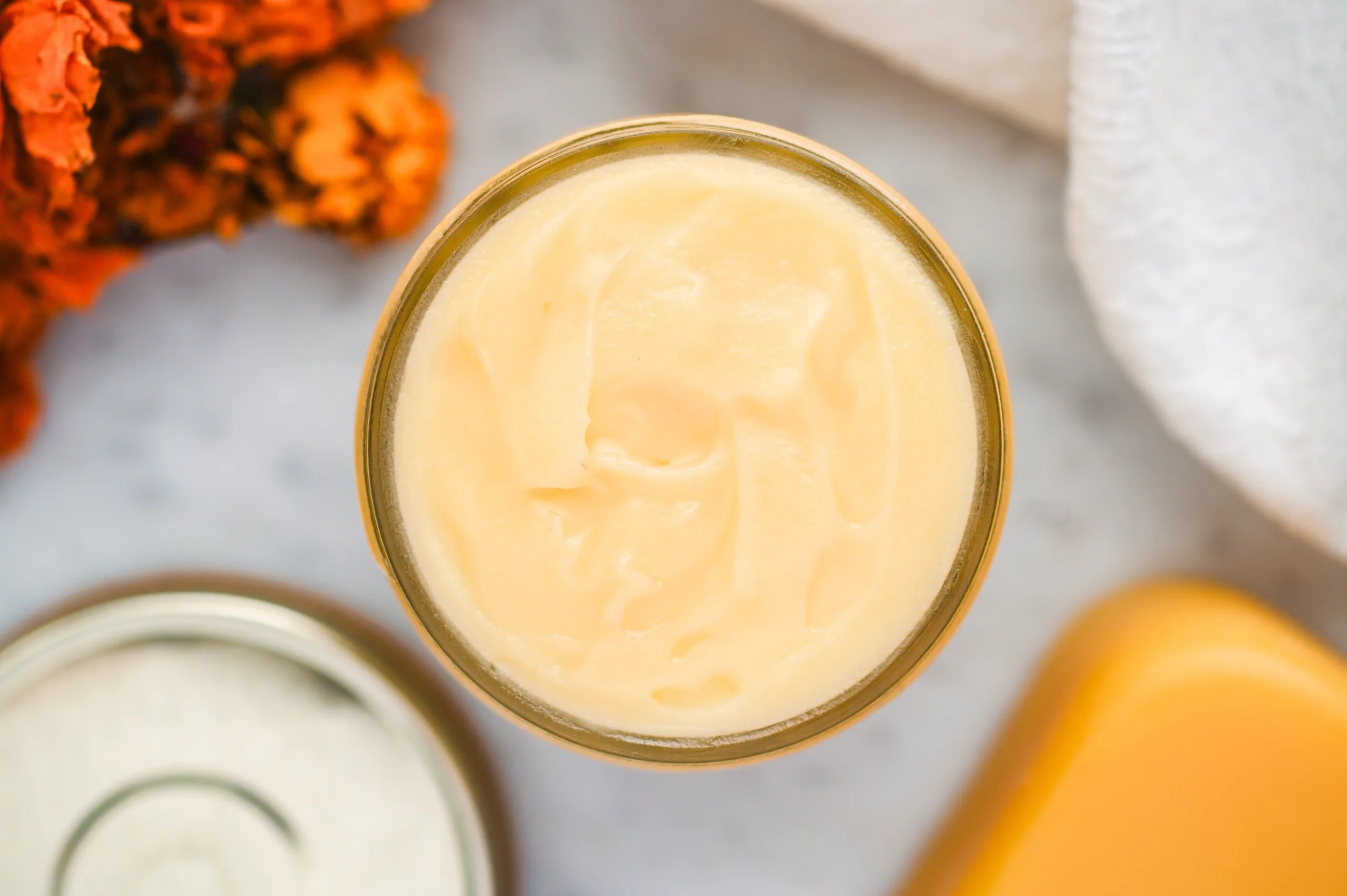
This diy tallow balm focuses on supporting the skin barrier rather than drying the skin out. I have found that when skin becomes irritated or overly stripped, breakouts can linger longer. Using tallow in a balanced balm allows the skin to stay comfortable while healing, especially during colder months when skin tends to feel dry or reactive. This recipe keeps the texture soft at room temperature while still forming a protective balm that melts easily when applied to slightly damp skin.
Table of Contents
This post contains affiliate links, which means I make a small commission at no extra cost to you. See my full disclosure here.
Quick Look at This Recipe
Recipe: Tallow Balm Recipe for Acne Prone Skin
Prep Time: 10 minutes
Cool Time: 1 to 2 hours
Yield: About 1 cup balm
Method: Double boiler, low heat
Best For: Sensitive skin, blemish-prone skin, dry or irritated areas
Texture: Soft balm similar to whipped tallow balm when softened at room temperature
Why Use Tallow for Acne Prone Skin
Beef tallow has been used in traditional skincare recipes for generations because its fatty acid profile is similar to the oils naturally found in human skin. When used in a balanced balm recipe, it helps soften and protect the skin without the heavy feeling that some commercial creams leave behind.
This diy tallow balm is not intended to treat acne medically. Instead, it helps support the skin barrier so skin feels calm and comfortable while blemishes heal. Rosehip oil and calendula infused oil help soothe irritation and reduce the appearance of redness, while gentle essential oils support sensitive skin. The balanced combination of tallow, beeswax, and lightweight oils keeps the balm nourishing without feeling overly heavy for face use.
For best results, apply a very small amount on slightly damp skin so moisture can be sealed in without feeling greasy.

Ingredients for Tallow Balm Recipe
½ cup (100–110 g) grass fed beef tallow
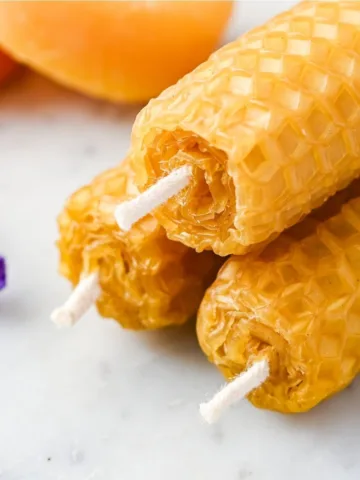
1 tablespoon (14 g) beeswax pellets or finely chopped beeswax
1 tablespoon rosehip oil
1 teaspoon calendula oil
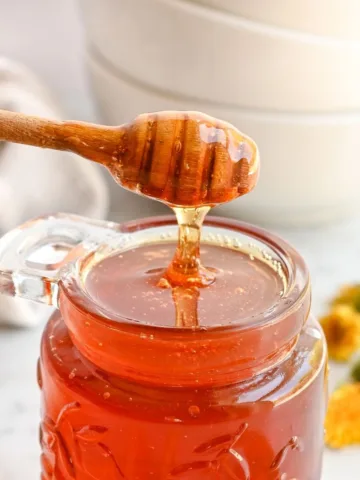
1 teaspoon raw honey
6 to 10 drops lavender essential oil (optional)
Essential oils are optional. This balm is effective without them. When I link to essential oils, I’m linking to the brand I personally use and trust. Young Living offers a 10% share discount on orders of 50 PV or more with code SHAREYL, if you’d like to take advantage of it
Equipment
Double boiler or heat safe bowl over simmering water
Small saucepan
Glass jar or tin for storage
Wooden spoon or silicone spatula
How to Make DIY Tallow Balm
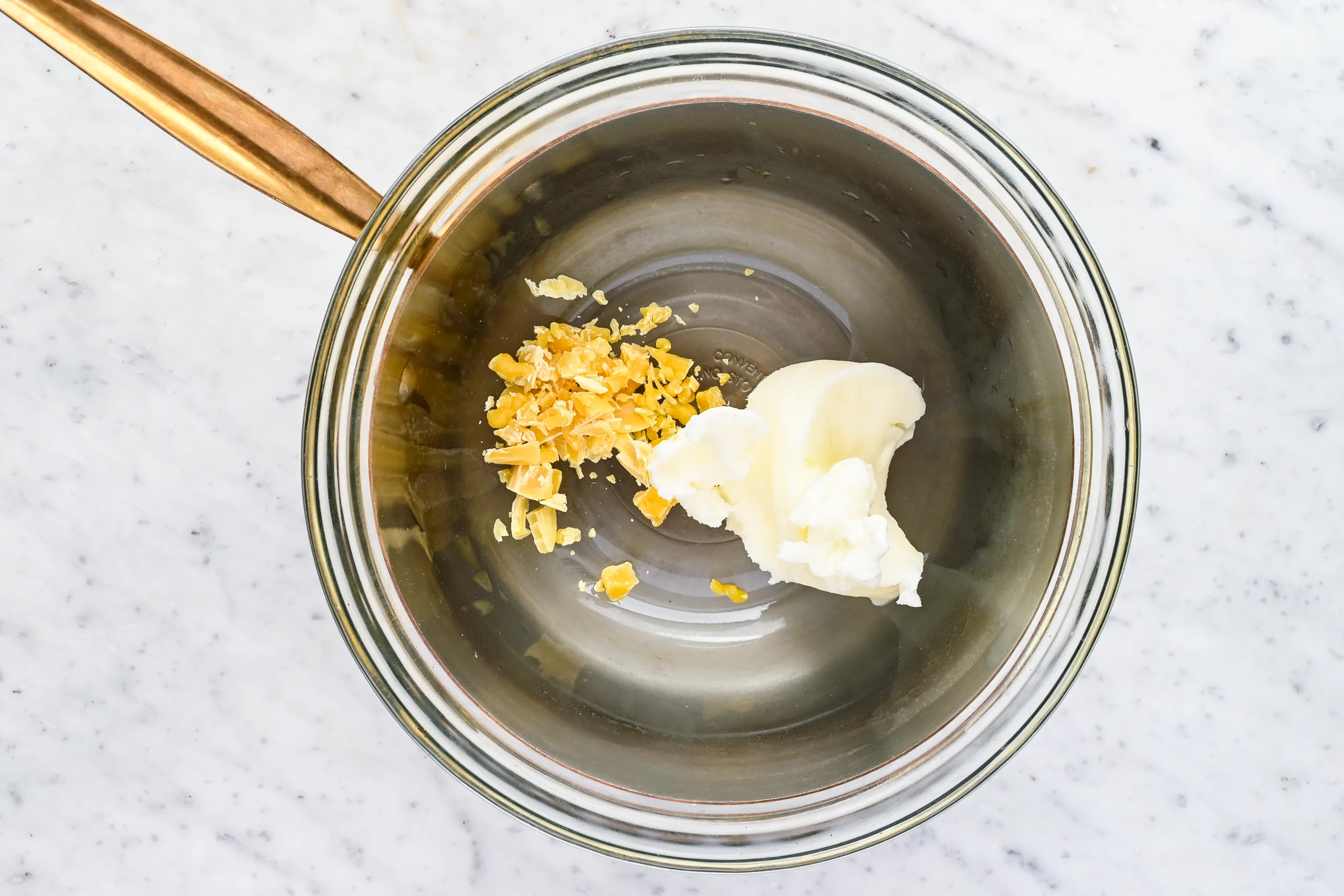
Add the grass fed beef tallow and beeswax to a heat safe bowl set over a double boiler. Heat gently over low heat until fully melted. Avoid high heat to protect the quality of the oils.

Remove from heat and allow the mixture to cool slightly. Stir in the rosehip oil, calendula oil, and honey while still liquid but not hot.

Add essential oils if using and mix well. I prefer to mix vigorously to insure that the honey gets incorporated.
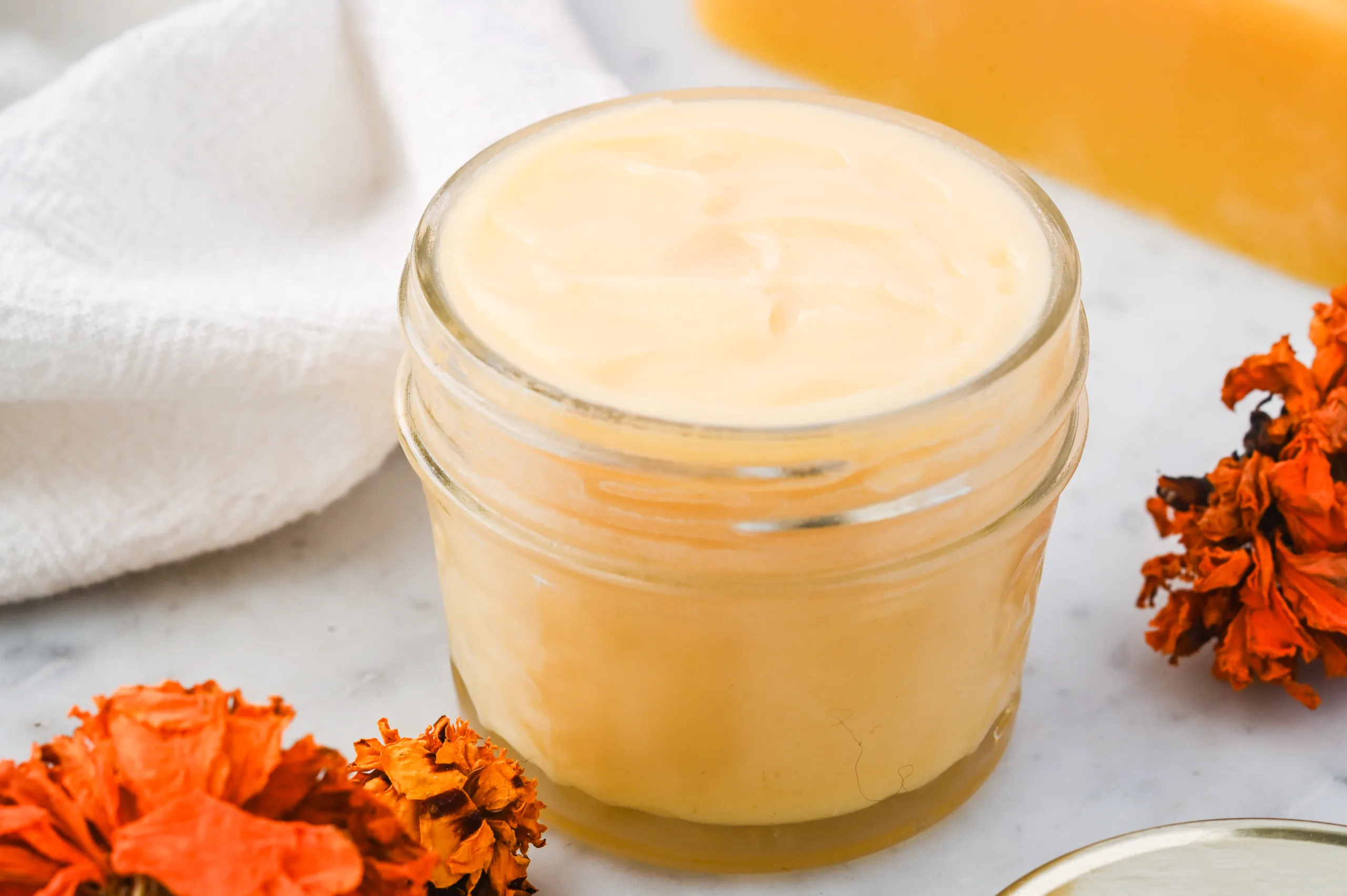
Pour into a clean jar and allow to cool at room temperature until fully set. The balm will firm as it cools but remain soft enough to scoop easily.
How to Use Tallow Balm on Acne Prone Skin
I have found that a small amount goes a long way! I like to warm a pea sized amount between my fingers and gently press onto my face or use it as a spot balm where my skin feels irritated or dry. Because this balm contains beeswax, applying too much can feel heavy. Using less allows my skin to breathe while still receiving protection.
Many people prefer applying this balm at night or during colder weather when skin needs extra support.
A Simple Old-Fashioned Skin Routine for Acne Prone Skin
Many people find that acne prone skin improves when the routine becomes simpler rather than more complicated. Instead of using harsh products that strip the skin, this old-fashioned approach focuses on gentle cleansing, occasional exfoliation, and protecting the skin barrier so irritation can calm down naturally. Using tallow in a balanced way helps keep skin comfortable while supporting healing.
How to incorporate this tallow balm into your daily routine.
Start by washing the face with a gentle cleanser such as my Tallow Soap Bar Recipe (Nourishing, Creamy & Moisturizing!) using lukewarm water. This helps remove dirt and excess oil without leaving the skin feeling tight or dry. After washing, pat the skin dry but leave it slightly damp.
Warm a very small amount of tallow balm between your fingers and gently press it into the skin. A pea sized amount is usually enough. Applying the balm to slightly damp skin helps seal in moisture without feeling heavy.
Exfoliation Two to Three Times Per Week
A few times each week, gentle exfoliation can help remove dead skin buildup so pores are less likely to become congested. After cleansing, use the Homemade Face Scrub With Tallow (Gentle Sugar Exfoliator for Glowing Skin). Very lightly massage for about 20 to 30 seconds before rinsing well.
Follow with a small amount of tallow balm to calm the skin and prevent dryness after exfoliating.
Why This Routine Works
This simple routine supports acne prone skin by keeping the skin clean without over drying it, reducing buildup on the surface of the skin, and helping maintain a healthy skin barrier. When skin feels balanced and less irritated, redness often improves and blemishes tend to heal more comfortably.

Tips for Best Results
- Apply to slightly damp skin to improve absorption.
- Store at room temperature away from direct sunlight.
- If the balm becomes too firm in winter, allow it to warm slightly before use.
- If a softer texture is preferred, the balm can be gently whipped once partially cooled to create a whipped tallow balm consistency.
- Always patch test when using essential oils on sensitive skin.
This routine is designed to support the skin barrier and help calm irritated or blemish-prone skin. Because hormonal acne is influenced by internal hormone changes, a topical balm alone cannot correct the underlying cause. Many people still find that gentle cleansing, occasional exfoliation, and a nourishing balm help skin feel more comfortable and reduce redness while breakouts run their course.
Frequently Asked Questions About Tallow Balm Recipe for Acne Prone Skin
Can tallow balm improve acne?
This balm supports the skin barrier and helps calm irritated skin, which may help reduce redness and discomfort during breakouts. It is not an acne treatment but can help skin feel balanced while healing.
Is whipped tallow better for acne prone skin?
Whipped tallow balm feels lighter because air is incorporated during whipping. The ingredients remain the same, so the choice comes down to texture preference.
Can I use olive oil or coconut oil instead of rosehip oil?
Yes, but it will change how the balm feels on the skin. Rosehip oil is lighter and absorbs more easily, which is why it works well for acne-prone or sensitive skin. Olive oil will make the balm richer and more moisturizing, while coconut oil creates a firmer, more occlusive balm that some people may find too heavy for facial use. If substituting, start with a small amount and see how your skin responds.
How long does diy tallow balm last?
When stored in a cool, dry place, this balm typically lasts several months since it contains no water.
Can this balm be used as a lip balm?
Yes. Because it contains simple nourishing oils and grass fed tallow, it works well as a lip balm for dry lips.

Tried this recipe?
I would love to see it! Tag me on Instagram @idiesfarm and #idiesfarm so I can share your beautiful creation!

Tallow Balm Recipe for Acne Prone Skin (Old-Fashioned DIY Tallow Balm)
Ingredients
Equipment
Method
- Add the grass fed beef tallow and beeswax to a heat safe bowl set over a double boiler. Heat gently over low heat until fully melted. Avoid high heat to protect the quality of the oils.
- Remove from heat and allow the mixture to cool slightly. Stir in the rosehip oil, calendula oil, and honey while still liquid but not hot.
- Add essential oils if using and mix well. I prefer to mix vigorously to insure that the honey gets incorporated.
- Pour into a clean jar and allow to cool at room temperature until fully set. The balm will firm as it cools but remain soft enough to scoop easily.
Notes
- Apply to slightly damp skin to improve absorption.
- Store at room temperature away from direct sunlight.
- If the balm becomes too firm in winter, allow it to warm slightly before use.
- If a softer texture is preferred, the balm can be gently whipped once partially cooled to create a whipped tallow balm consistency.
- Always patch test when using essential oils on sensitive skin.

Welcome!
Hi! I’m Stephanie, also known as Idie. Follow me as I tap into the methods of the past and learn how to make my world a little smaller.