Ever since I rendered my first batch of beef tallow, I’ve been amazed by how many ways it can be used around the homestead. From tallow balm and natural candles to lip balm and now, even homemade soap! This simple ingredient has quickly become one of my favorite natural fats to work with. This tallow soap bar recipe shows how easy it is to turn grass-fed beef tallow into a luxurious hand-crafted soap that leaves skin soft and hydrated.
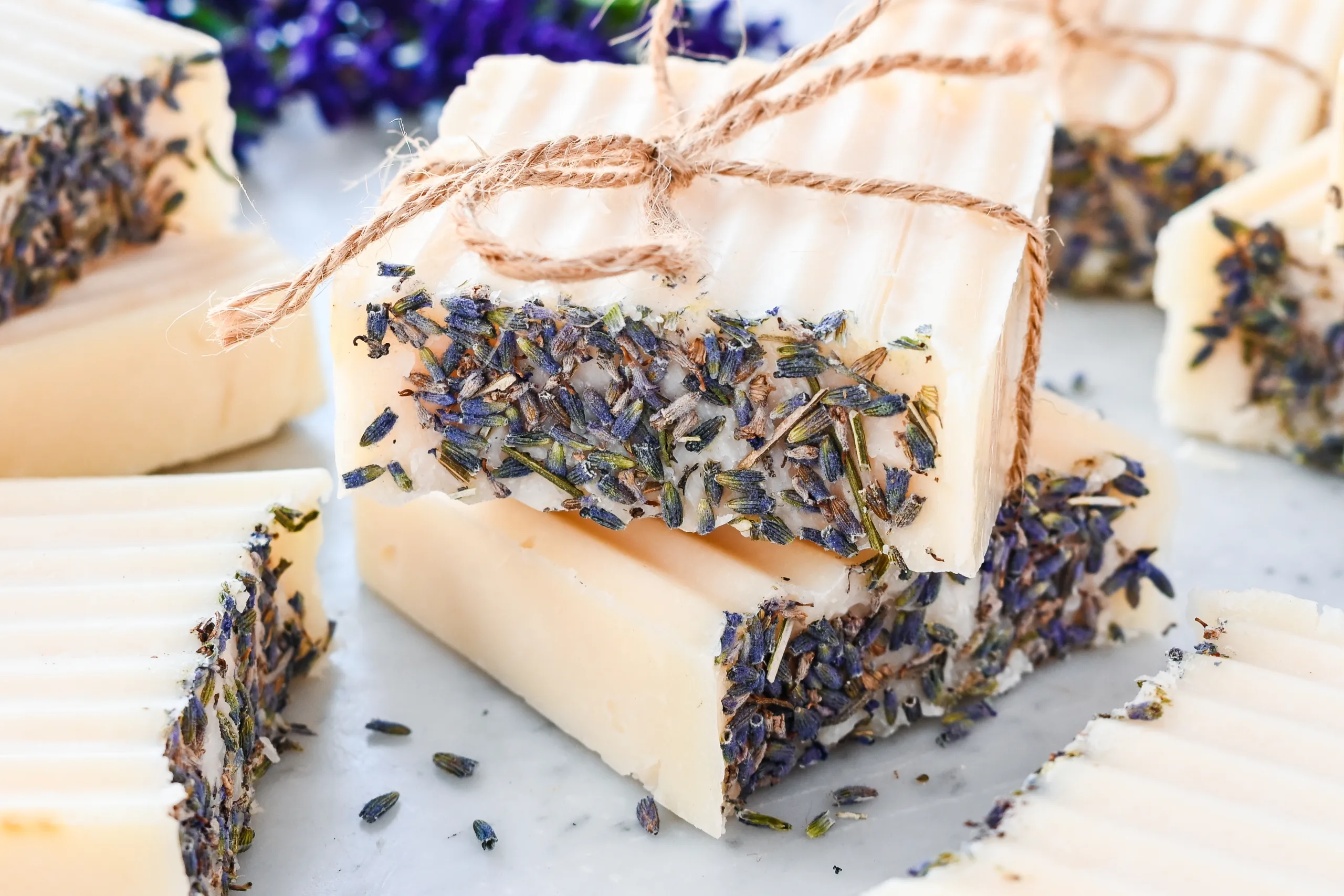
Table of Contents
This post contains affiliate links, which means I make a small commission at no extra cost to you. See my full disclosure here.
Quick Look at This Recipe
- Type: Cold Process Tallow Soap
- Level: Beginner-Friendly
- Main Fat: 100% Grass-Fed Beef Tallow
- Fragrance: Lavender Essential Oil (optional woodsy blend notes: juniper + mandarin)
- Yields: About 8 to 10 bars
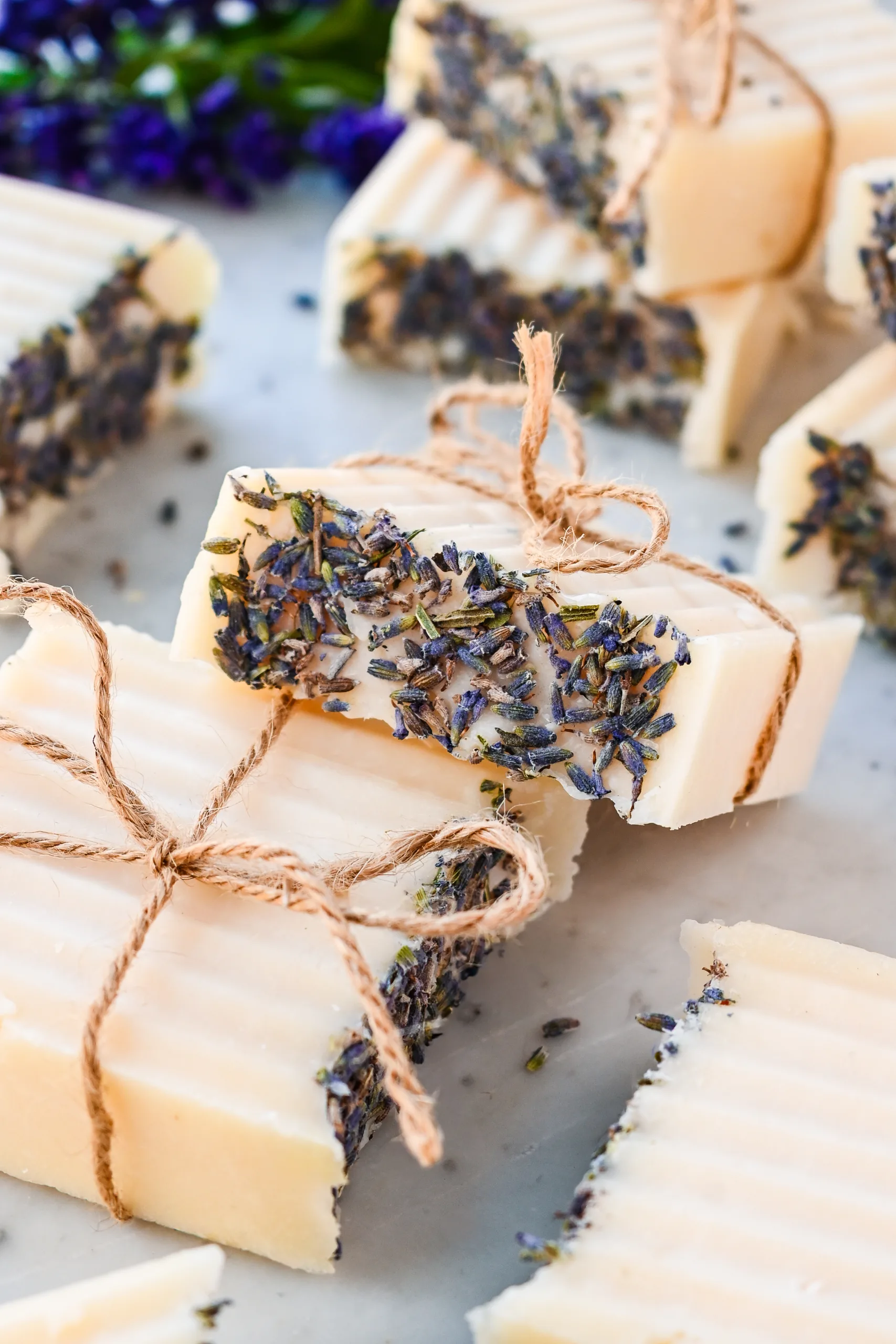
This recipe makes a creamy, moisturizing soap bar that leaves skin feeling soft and nourished — never dry or tight. Made with grass-fed beef tallow, distilled water, and lye, it’s a gentle, old-fashioned formula that highlights pure ingredients and simple, sustainable living.
If you’re new to soap making, this is a great beginner recipe for learning how fat-based soaps work and discovering just how nourishing tallow can be for healthy-looking skin.
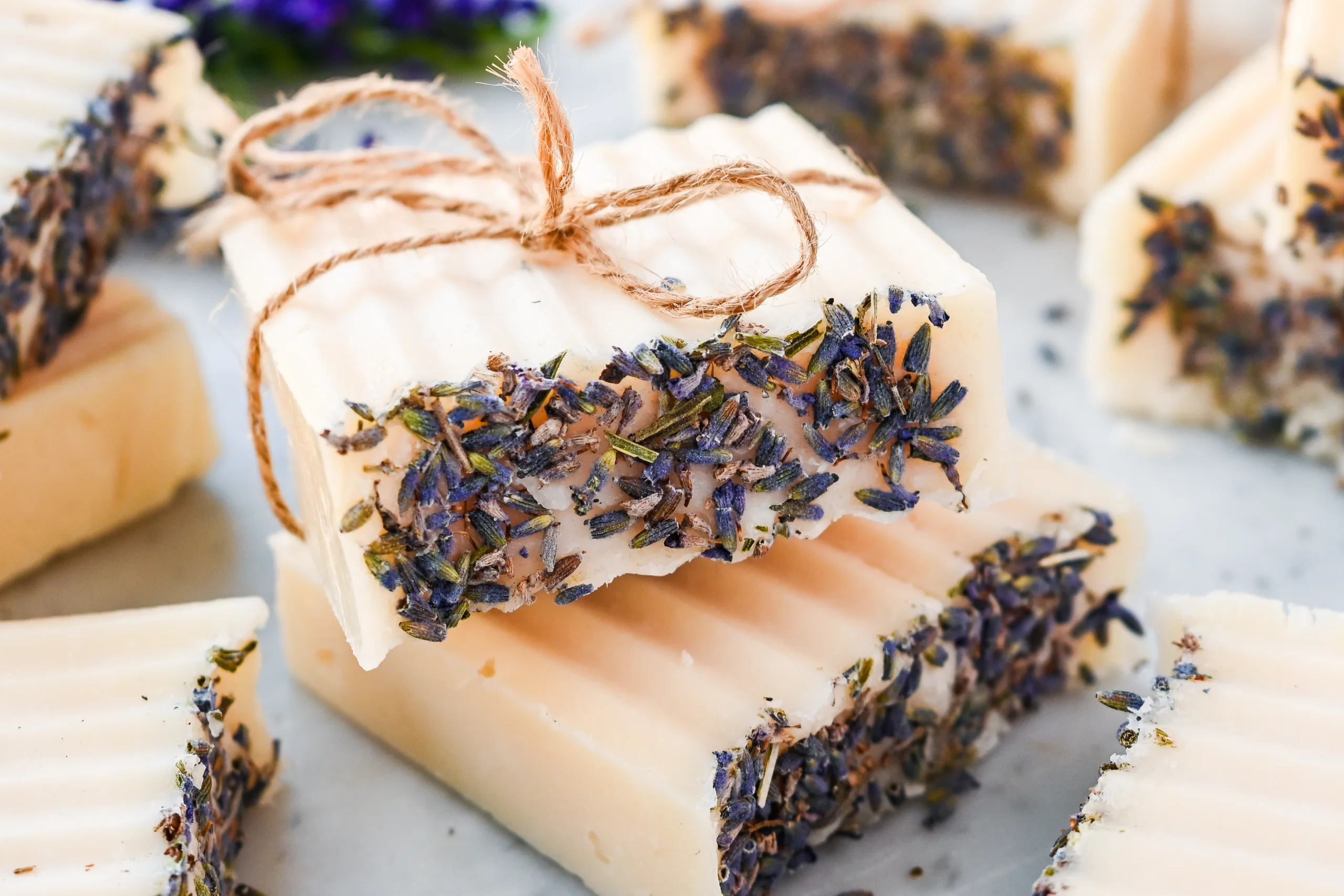
Why Make Tallow Soap?
Homemade tallow-based soap is prized for its creamy consistency, luxurious lather, and incredible moisturizing properties. The stearic acid, palmitoleic acid, and lauric acid found naturally in beef fat help create a firm, long-lasting bar that deeply hydrates and nourishes dry skin. For the best results, start by rendering your own clean, pure tallow — you can follow my guide on How To Render Fat To Make Homemade Beef Tallow for step-by-step instructions.
Using purified tallow from grass-fed beef also means you’re working with a sustainable fat sourced from small family farms, giving new life to a viable use of excess fat that would otherwise go to waste. It’s truly a more environmentally conscious approach to soap making — and a nod to how our ancestors made their soaps generations ago.
Equipment You’ll Need for Making Tallow Soap
When making tallow soap at home, using the right tools helps you stay safe and achieve a smooth, creamy bar with consistent results every time.
These are the essential pieces of soap-making equipment you’ll want to have ready before you begin:
| Equipment | Purpose |
|---|---|
| Digital Kitchen Scale | For weighing tallow, lye, and water accurately — precision matters in every soap recipe. |
| Stainless Steel Pot or Crockpot | Used to melt your grass-fed beef tallow and combine oils safely. Avoid aluminum, as it reacts with lye. |
| Heat-Resistant Mixing Bowl | Ideal for preparing your lye solution with distilled water. |
| Immersion Blender (Stick Blender) | Speeds up trace and ensures the fats and lye form a uniform emulsion. |
| Silicone Spatula | For scraping the sides of bowls and mixing in essential oils evenly. |
| Infrared Thermometer | To check that your melted tallow and lye mixture are within 100–110°F before blending. |
| Soap Mold (Silicone or Wood-Lined) | Shapes your tallow soap bars; silicone molds make unmolding easier. |
| Safety Gear (Gloves, Goggles, Long Sleeves) | Always wear protective gear when handling sodium hydroxide (lye) — safety first. |
| Parchment or Freezer Paper | Line wooden molds to prevent sticking and make cleanup simple. |
| Old Towels or Blanket | Used to insulate the mold for even saponification during the first 24 hours. |
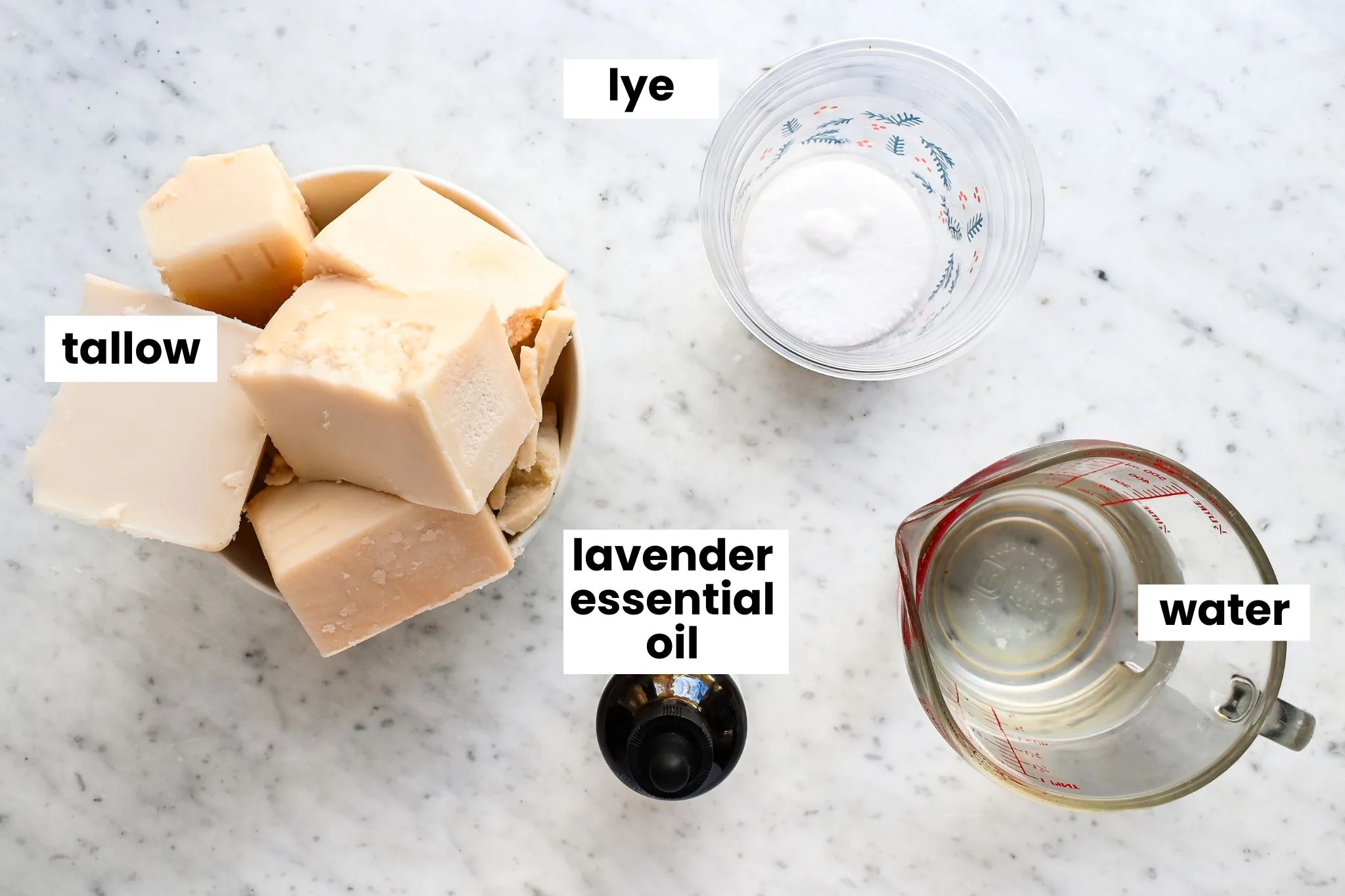
Ingredients You’ll Need
| Ingredient | Amount | Purpose |
|---|---|---|
| Beef Tallow (grass-fed) | 794 g | Main fat – provides creamy lather, deep hydration |
| Distilled Water | 248 g | Liquid base for dissolving lye |
| Sodium Hydroxide (lye) | 105 g | Reacts with fats for saponification |
| Lavender Essential Oil | 25 g (1 tablespoon +2 tsp) | Adds a calm, mild fragrance (optional) |
Step-by-Step Instructions

Slowly melt your grass-fed beef tallow in a stainless-steel pot or slow cooker until fully liquid. Avoid overheating.

In a well-ventilated area (I did this outside), carefully add lye (sodium hydroxide) to your distilled water (never the other way around). Stir until dissolved. The mixture will heat up — set aside to cool.
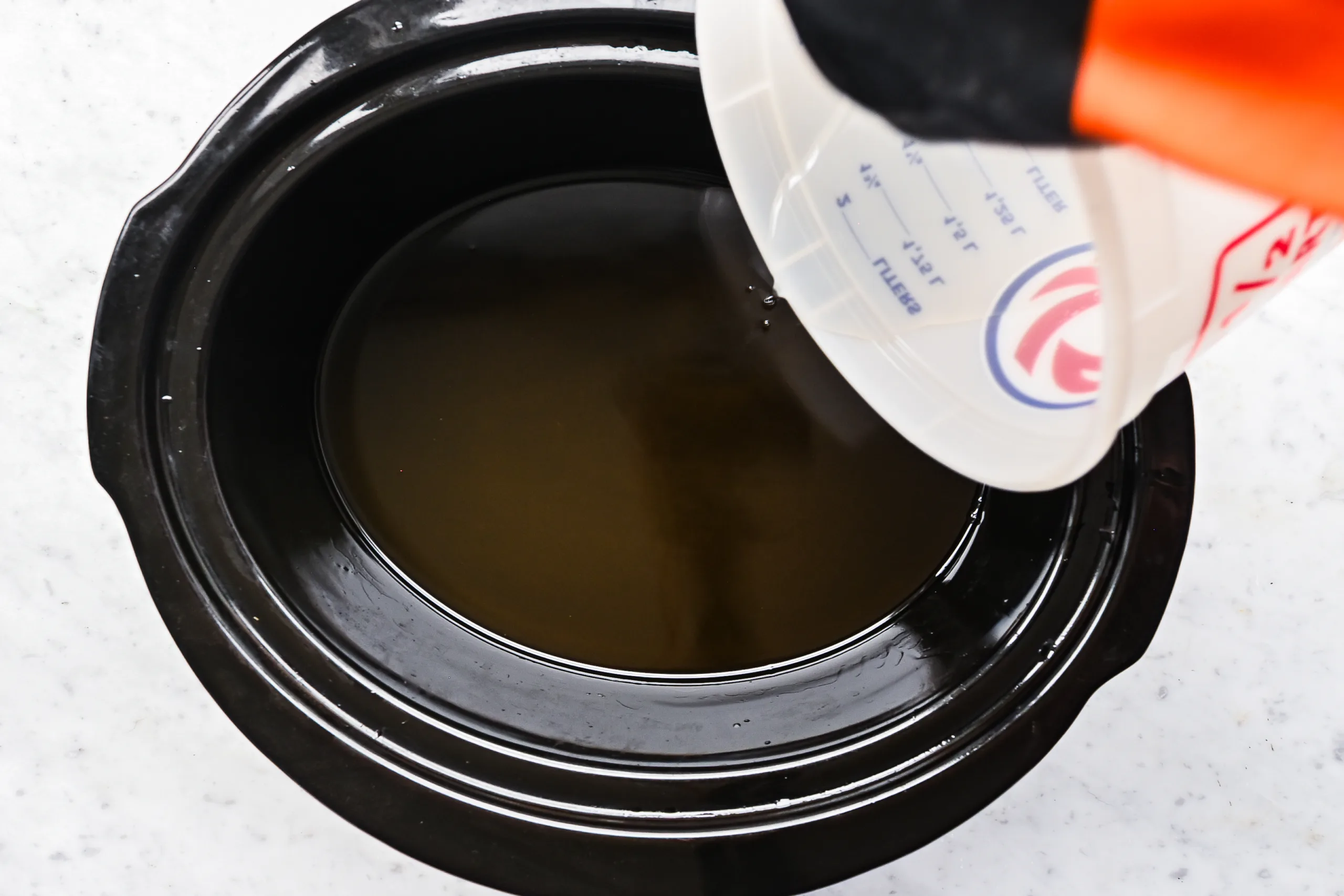
When both the melted tallow and lye solution are around 100–110°F, slowly pour the lye into the tallow.
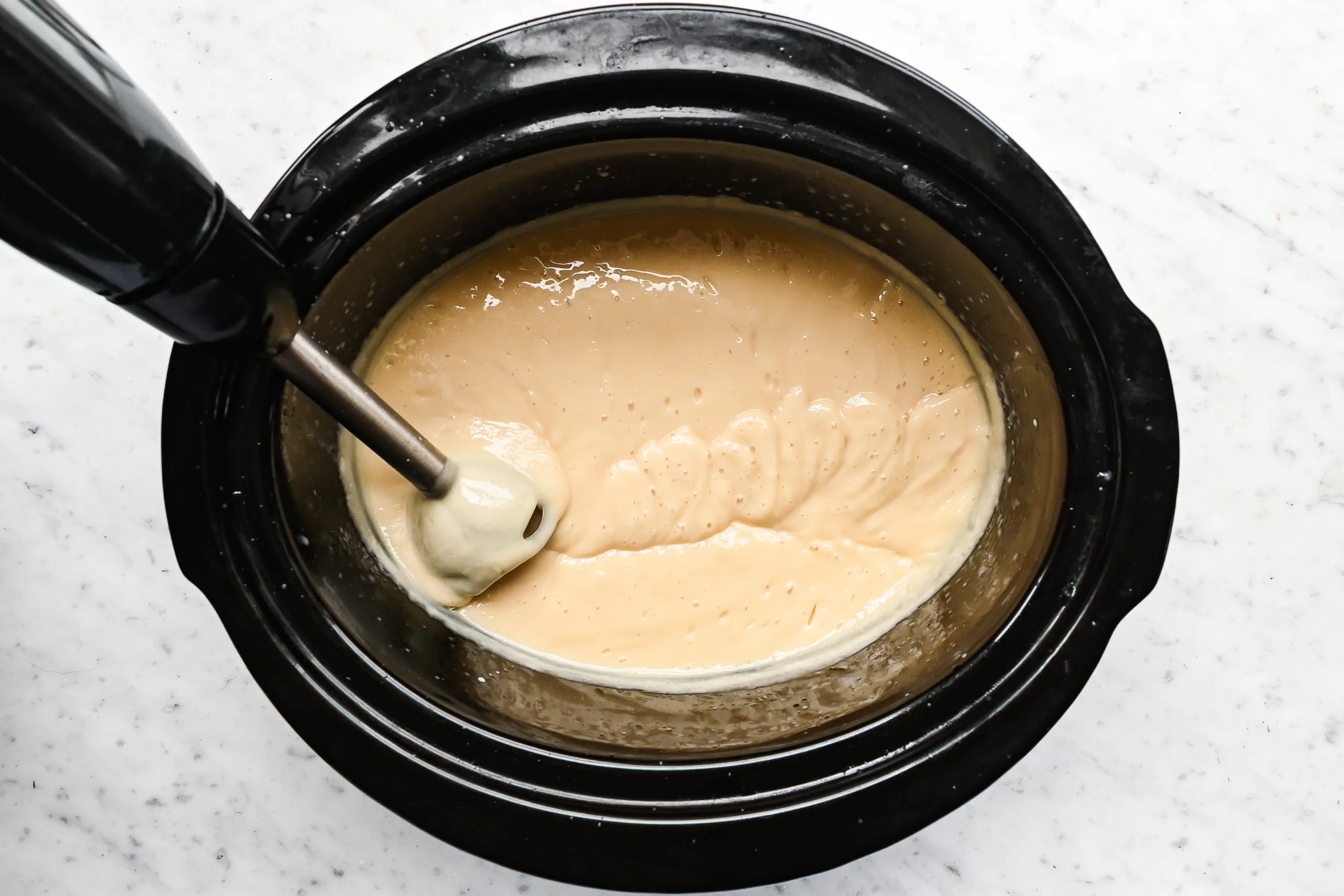
Use an immersion blender to bring the mixture to a light trace (a pudding-like consistency).
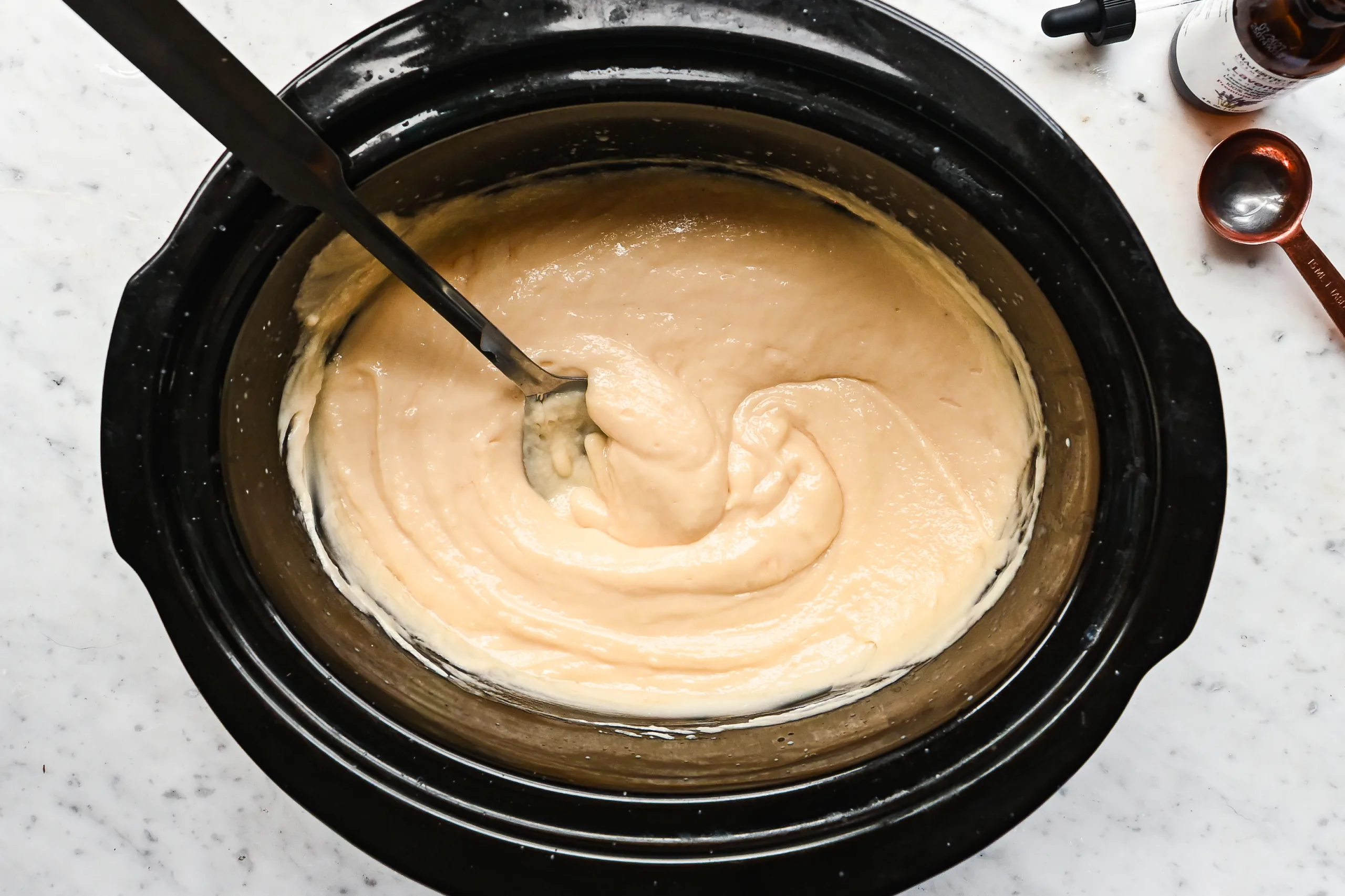
Stir in lavender oil or your preferred essential oil blend (juniper, mandarin, or citrus oils work beautifully).

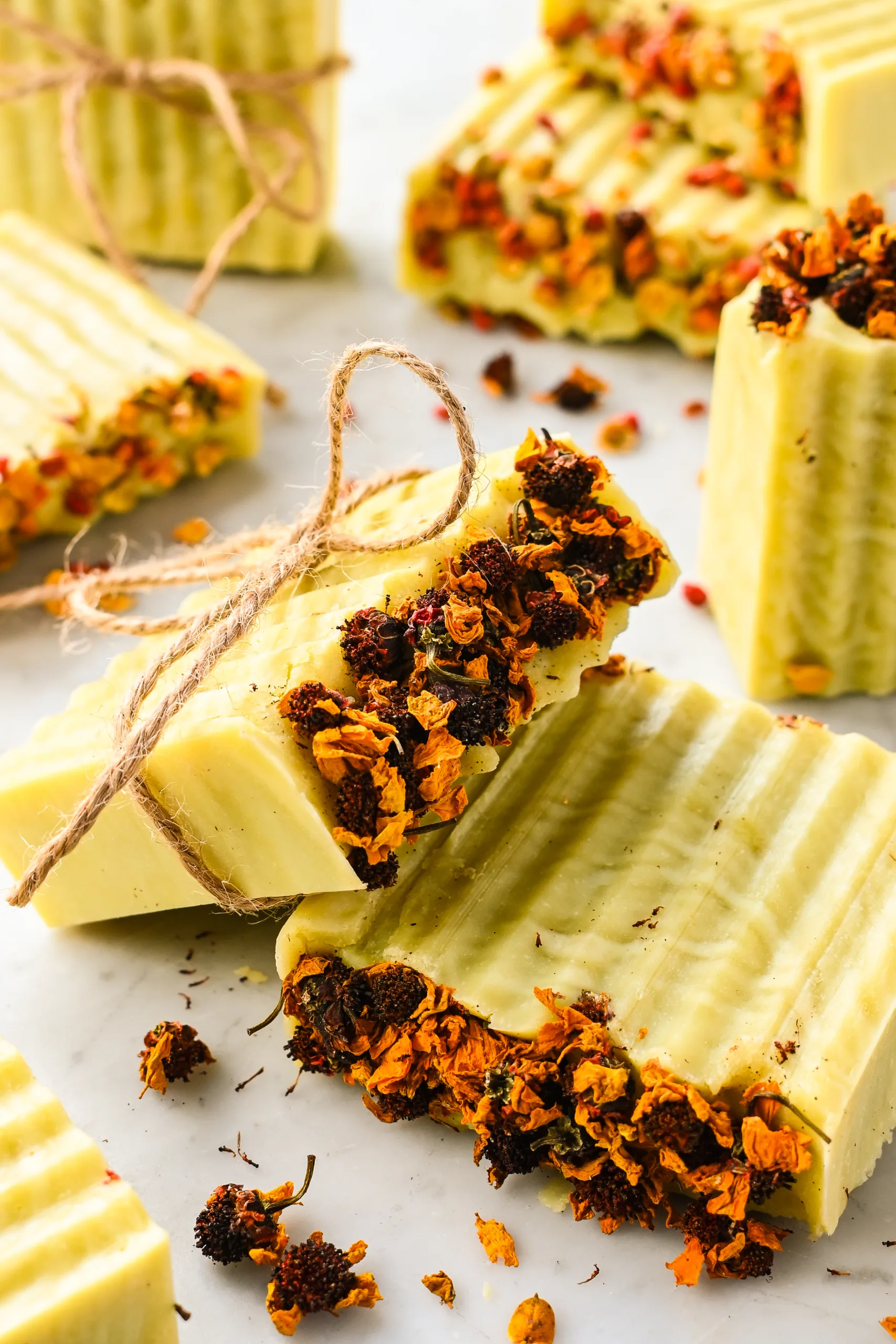
Pour the soap into a lined mold, tap gently to remove bubbles. Place dried flowers on top if desired, then press down with parchment paper.

Wrap with a towel and allow to sit for 24–48 hours.
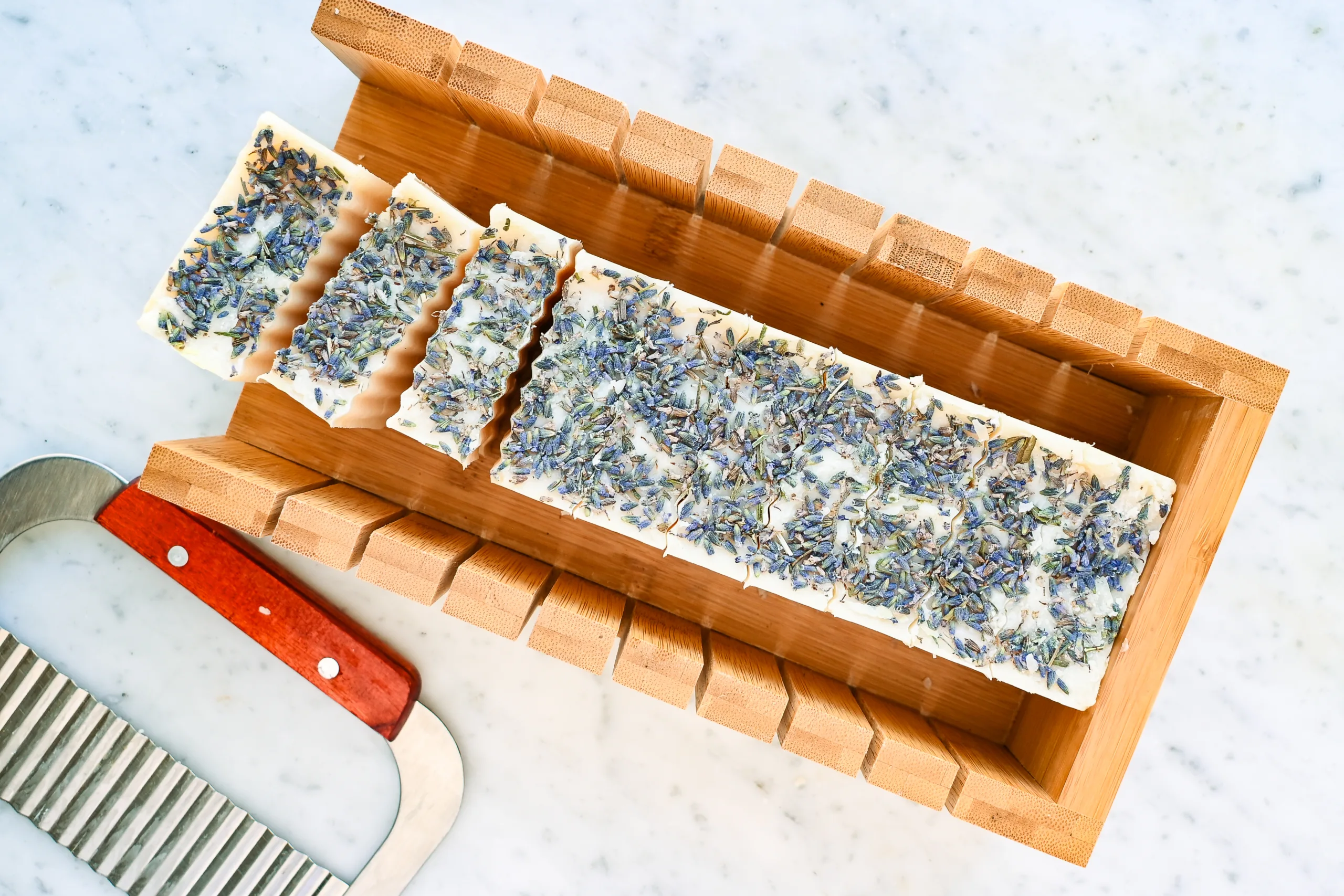
Unmold and slice into bars. Allow to cure for 4–6 weeks in a cool, airy spot so the soap can dry, firm up, and yield a mild bar with a rich, creamy lather.
Soap Safety & Maker’s Notes
Working with lye might sound intimidating, but it’s a simple, time-tested process when handled carefully. The lye reacts with melted tallow to form true soap and natural glycerin — that’s what gives these bars their creamy texture and gentle feel.
This recipe uses only grass-fed beef tallow as the fat source. The balance between tallow, lye, and water creates a mild, nourishing bar without any need for extra oils or adjustments. Just follow the measurements as written, and you’ll get consistent results every time.
Always work in a well-ventilated area, wear gloves and goggles, and remember this golden rule: add lye to water, never water to lye. Once the soap cures, there’s no lye left — just a pure, moisturizing bar made from real tallow.
Lavender essential oil gives a soft, clean scent, but you can blend in juniper or mandarin if you’d like something a little different.
Here at Idie’s Farm, I love finding new uses for tallow! If you’re looking for other simple, natural projects, try:
- How to Make Natural Candles From Beef Tallow
- Homemade Whipped Tallow Balm (DIY Recipe)
- How to Render Fat to Make Homemade Beef Tallow
- Homemade Tallow Lip Balm Recipe (Nourishing & Long-Lasting)
Each one uses this great fat in a different way—showing just how versatile grass-finished tallow can be for natural living.
FAQ
Can I add other oils to this tallow soap recipe?
Yes! Try adding olive oil or castor oil for extra softness and lather. Just be sure to recalculate your lye using a soap calculator.
Is tallow soap good for sensitive skin?
Absolutely. Tallow’s potent anti-inflammatory and natural antimicrobial properties help calm sensitive skin, support treatment of eczema and acne, and promote healthy-looking skin.
Do I need to cure tallow soap before using it?
Yes. Let your bars cure in a cool, dry place for 4–6 weeks. This allows excess moisture to evaporate and helps the soap firm up for a longer-lasting bar.
Is there lye left in the soap after it cures?
No. During the saponification process, the lye fully reacts with the tallow to form real soap and natural glycerin. Once cured, the bar is safe, gentle, and ready to use.
How long does tallow soap last?
When cured properly, these grass-fed tallow soap bars last for months. Store them in a cool, dry place between uses to preserve the creamy consistency.

Tried this recipe?
I would love to see it! Tag me on Instagram @idiesfarm and #idiesfarm so I can share your beautiful creation!
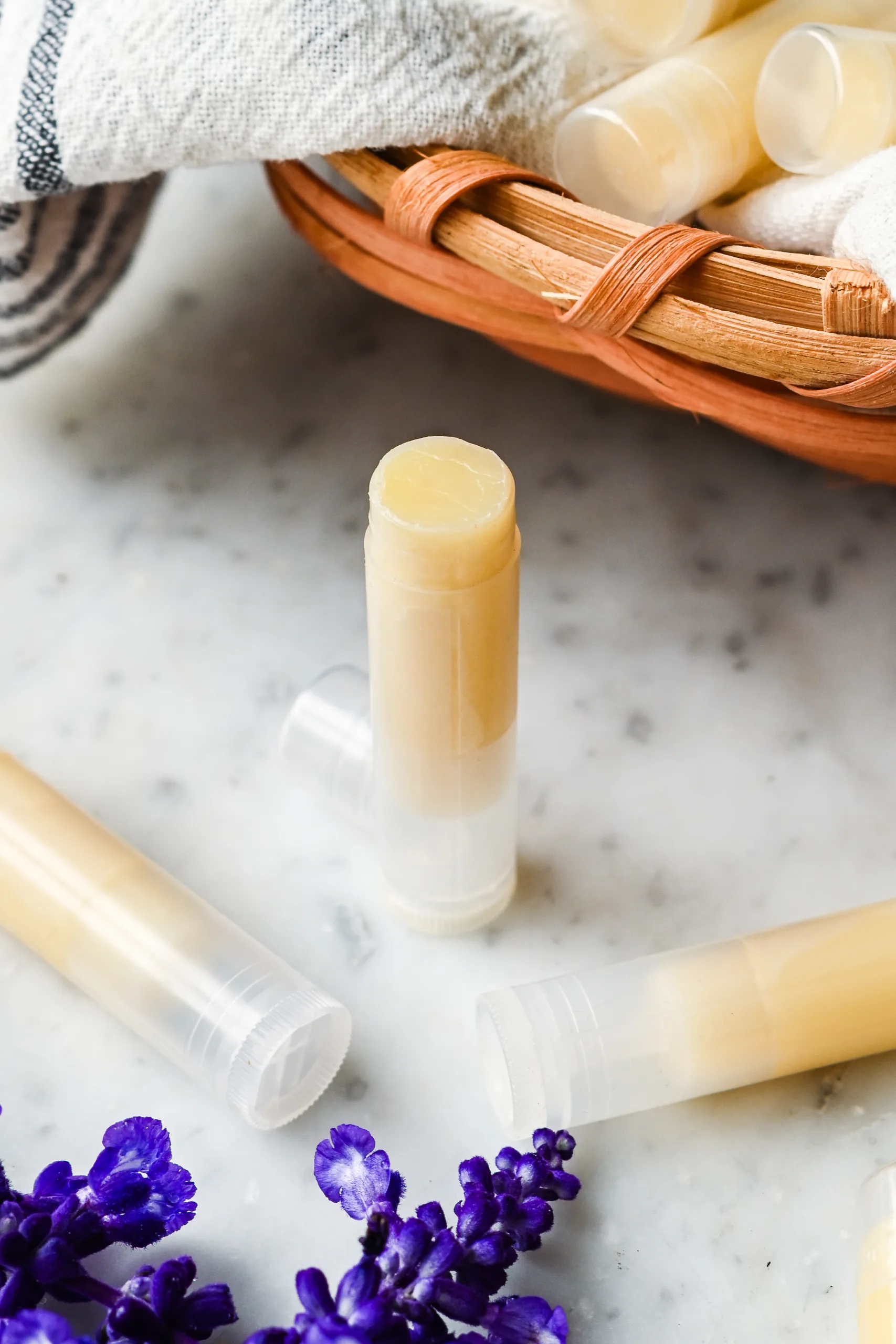


Tallow Soap Bar Recipe (Nourishing, Creamy & Moisturizing!)
Equipment
- Digital kitchen scale For weighing tallow, lye, and water accurately — precision matters in every soap recipe.
- Stainless Steel Pot or Crockpot Used to melt your grass-fed beef tallow and combine oils safely. Avoid aluminum, as it reacts with lye.
- Heat-Resistant Mixing Bowl Ideal for preparing your lye solution with distilled water.
- Immersion blender (stick blender) Speeds up trace and ensures the fats and lye form a uniform emulsion.
- Silicone Spatula For scraping the sides of bowls and mixing in essential oils evenly.
- Infrared Thermometer To check that your melted tallow and lye mixture are within 100–110°F before blending.
- Soap Mold (Silicone or Wood-Lined) Shapes your tallow soap bars; silicone molds make unmolding easier.
- Safety Gear (Gloves, Goggles, Long Sleeves) Always wear protective gear when handling sodium hydroxide (lye) — safety first.
- Parchment or Freezer paper Line wooden molds to prevent sticking and make cleanup simple.
- Old Towels or Blanket Used to insulate the mold for even saponification during the first 24 hours.
Ingredients
- 794 g Beef Tallow grass-fed Main fat – provides creamy lather, deep hydration
- 248 g Distilled Water Liquid base for dissolving lye
- 105 g Sodium Hydroxide (lye) Reacts with fats for saponification
- 25 g 1 tablespoon +2 teaspoon Lavender Essential Oil Adds a calm, mild fragrance (optional)
Instructions
- Slowly melt your grass-fed beef tallow in a stainless-steel pot or slow cooker until fully liquid. Avoid overheating.
- In a well-ventilated area (I did this outside), carefully add lye (sodium hydroxide) to your distilled water (never the other way around). Stir until dissolved. The mixture will heat up — set aside to cool.
- When both the melted tallow and lye solution are around 100–110°F, slowly pour the lye into the tallow.
- Use an immersion blender to bring the mixture to a light trace (a pudding-like consistency).
- Stir in lavender oil or your preferred essential oil blend (juniper, mandarin, or citrus oils work beautifully).
- Pour the soap into a lined mold, tap gently to remove bubbles. Place dried flowers if desired, then press down with parchment paper.
- Wrap with a towel and allow to sit for 24–48 hours.
- Unmold and slice into bars. Allow to cure for 4–6 weeks in a cool, airy spot so the soap can dry, firm up, and yield a mild bar with a rich, creamy lather.
Notes
- Always wear gloves and goggles when working with lye, and add lye to water, never water to lye.
- Work in a well-ventilated space and allow the soap to cure for 4–6 weeks before use.
- For a soft, calming scent, use lavender essential oil — or try juniper or mandarin for something different.
- Once cured, these bars are firm, long-lasting, and deeply moisturizing — a wonderful way to use your grass-fed beef tallow.
- Keep soap stored in a cool, dry place between uses to help it last longer.

Welcome!
Hi! I’m Stephanie, also known as Idie. Follow me as I tap into the methods of the past and learn how to make my world a little smaller.