If you’ve already learned how to render fat to make homemade beef tallow, the next step is purifying it. The purification process transforms your rendered fat into a smooth, creamy, odor-free tallow—perfect for skincare products like Homemade Whipped Tallow Balm or a nourishing Tallow Lip Balm.
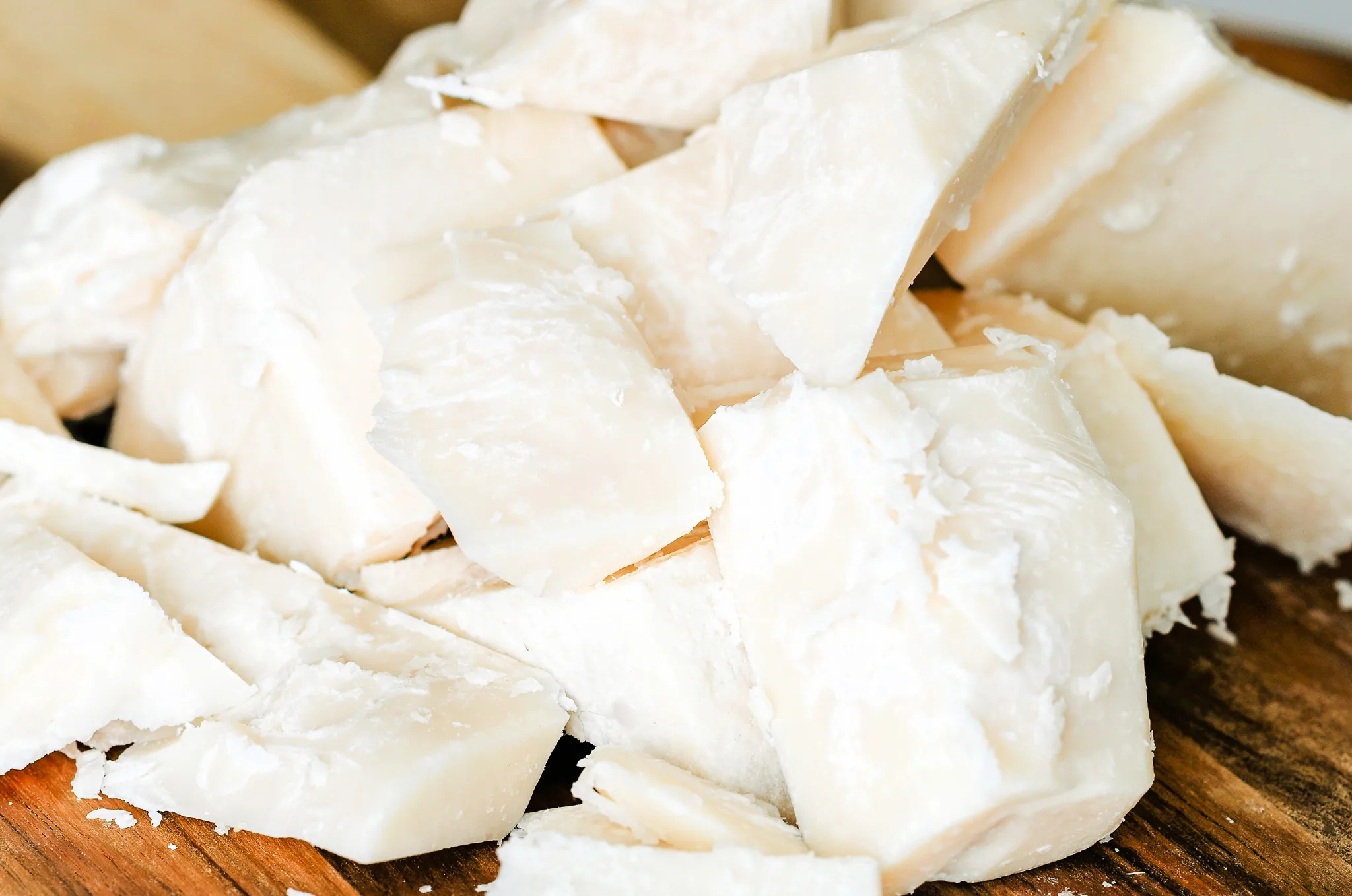
Table of Contents
This post contains affiliate links, which means I make a small commission at no extra cost to you. See my full disclosure here.
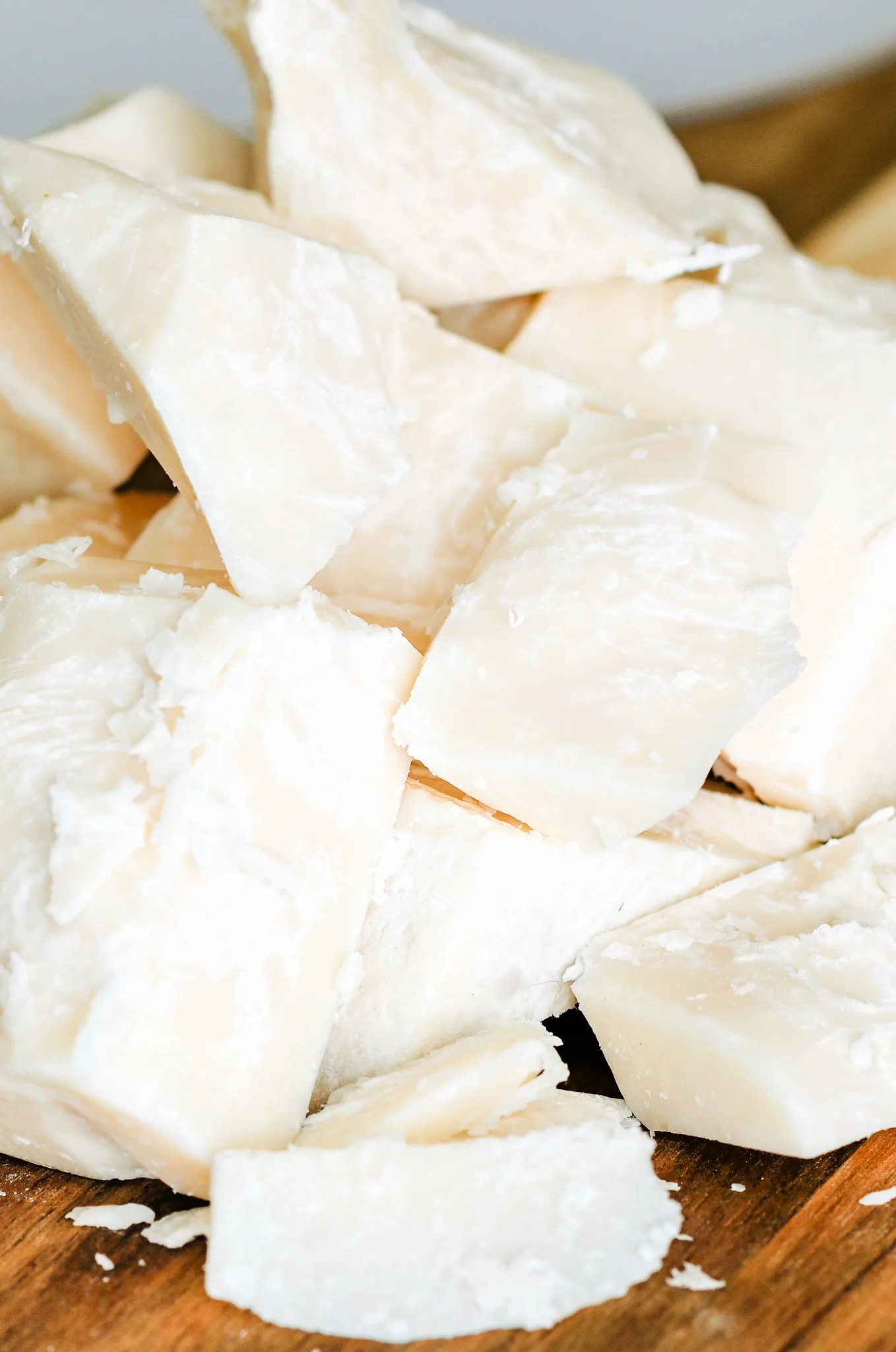
This post will walk you through the simple salt-water wash method that removes impurities, leaving you with pure, white tallow that melts easily at body temperature and blends beautifully with essential oils or other natural ingredients.
Why Purify Beef Tallow for Skincare?
Even with the cleanest rendering process, tiny bits of meat, connective tissue, or water loss residue can remain in your rendered tallow. When you’re using it for cooking, that’s fine—but for skincare products, you want a silky-smooth texture and a neutral scent.
Purifying beef tallow:
- Removes lingering odor and color from the rendering process
- Extends the shelf life of your finished product
- Ensures your balm or soap stays smooth and light
- Creates a nutrient-dense fat that’s ideal for sensitive or dry skin
Tallow is naturally rich in fat-soluble vitamins, stearic acid, palmitic acid, and linoleic acid—all fatty acids that closely resemble those found in human skin. That’s why it absorbs so well and helps repair dry or damaged skin without leaving a greasy residue.
What You’ll Need
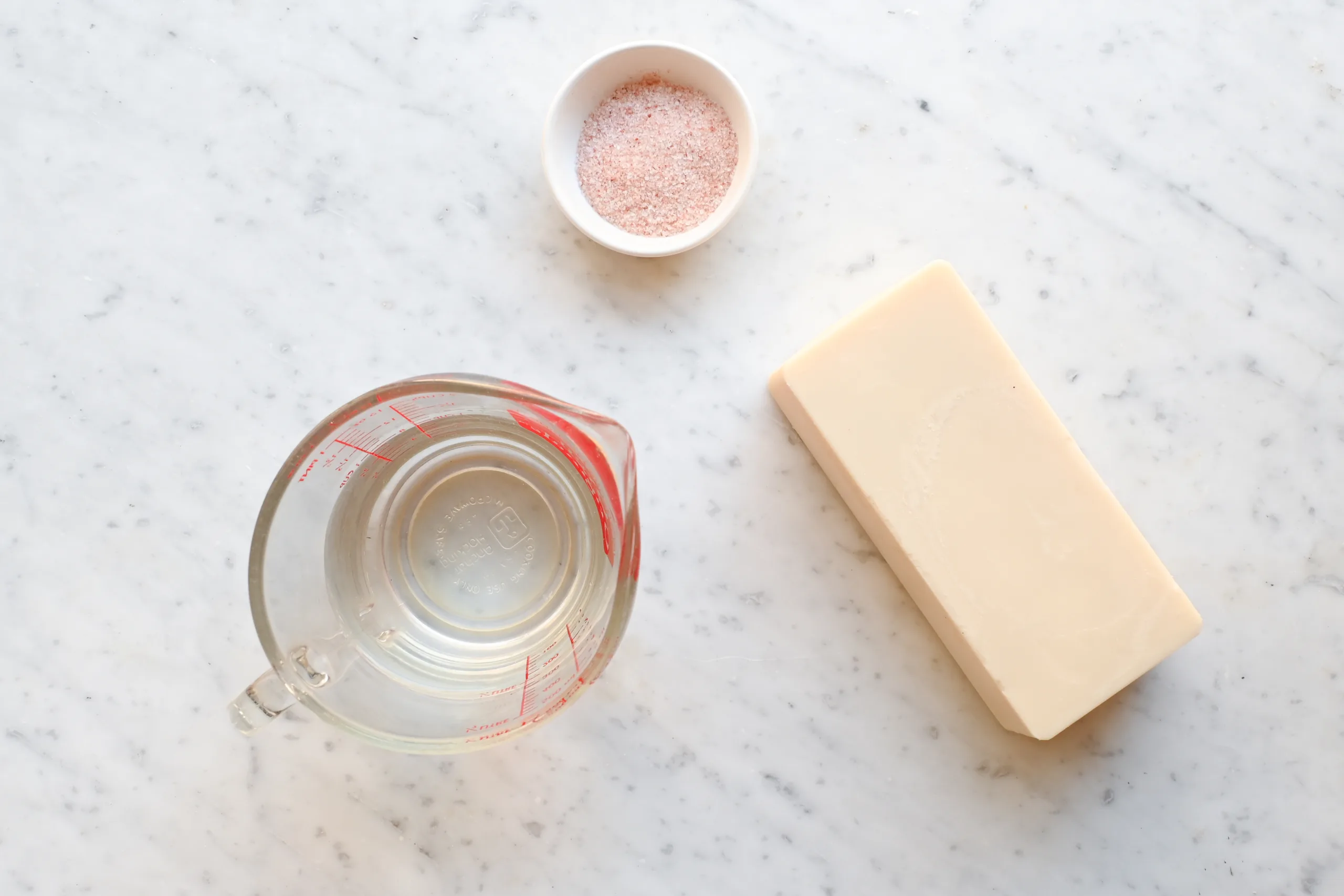
- Rendered tallow (from beef suet, leaf fat, or fat trimmings)
- Water (enough to cover the tallow)
- Salt – helps pull out impurities (colored salts may leave a slight hue)
- A large stock pot or slow cooker
- Fine mesh strainer or metal strainer
- Tea towel, paper towels or coffee filters (I highly suggest using a tea towel)
- A metal bowl (heat-safe)
- Spoon or ladle
- Optional: hand mixer if you plan to whip your tallow afterward or a mold if not.
If you haven’t rendered your own yet, check out my step-by-step guide: How To Render Fat To Make Homemade Beef Tallow.
Step-by-Step: The Salt-Water Wash Method

Step 1: Melt Your Rendered Tallow
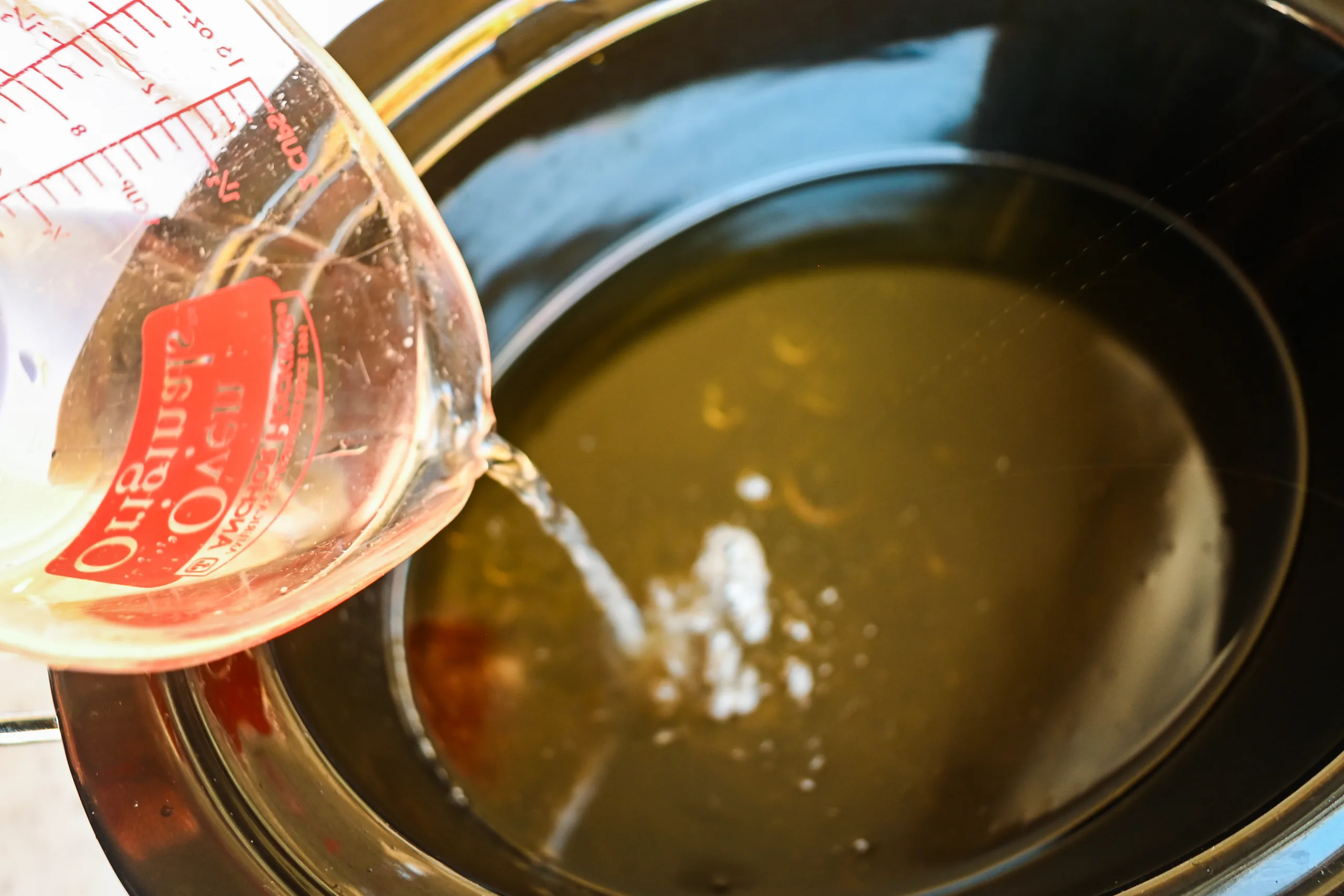
Place your hardened tallow into a stock pot or slow cooker over very low heat. Allow it to become a clear liquid—avoid high temperatures to prevent scorching. Low, steady heat is key for best results.
Step 2: Add Salt and Water
For every 2 cups (400–420 g) of melted tallow, add 1 cup of hot water and 1 tablespoon (18 g) of salt. The salt draws out any remaining impurities, bits of meat, or cloudy residue.

Step 3: Stir and Let It Settle
Stir gently, then remove from the heat. Allow the mixture to cool at room temperature until the tallow solidifies on top. You’ll see the impurities and dark particles settle at the bottom of the pot.
Step 4: Separate and Strain
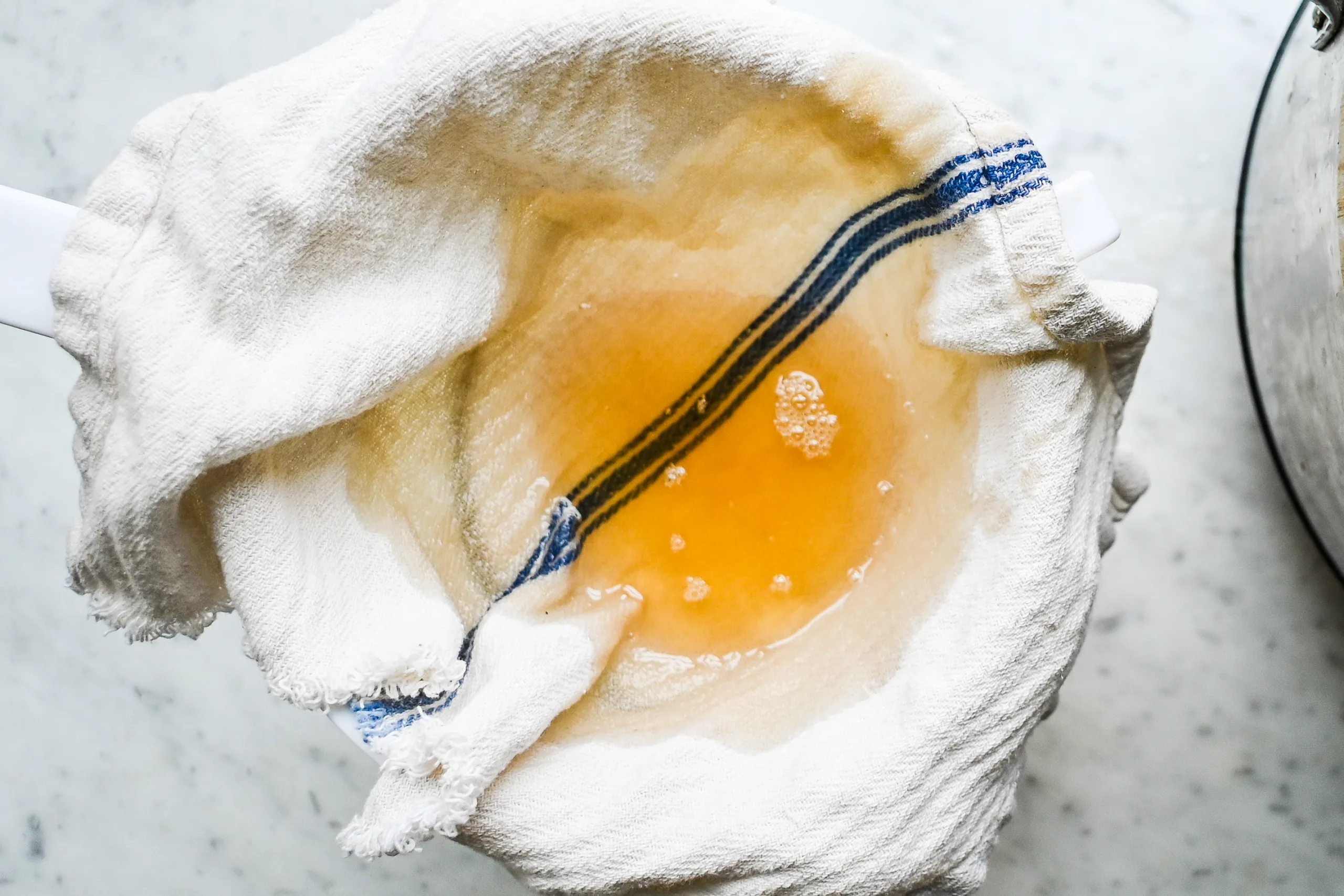
Once hardened, lift the purified tallow layer off the top. Discard the dirty water below. If you want an ultra-pure finish (for skincare or soapmaking), repeat this process one or two more times with fresh water and salt. Then, melt the purified tallow once more and pour it through a coffee filter or fine mesh strainer into a clean, dry container. This removes the tiniest remaining bits and gives you that smooth, creamy texture perfect for whipping into balm.
Step 5:Pour into Mold
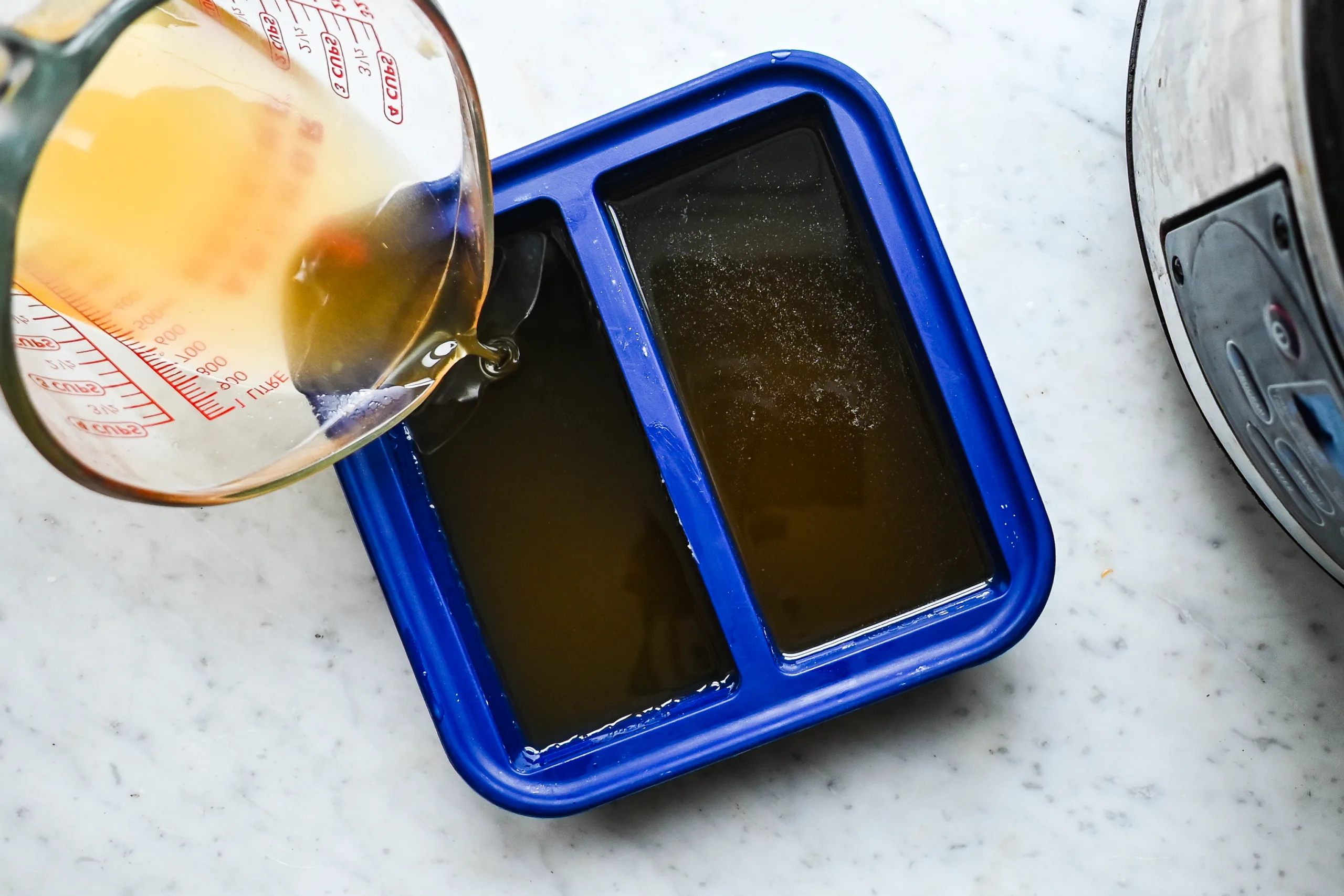
Once the tallow has been strained, pour it into molds for later use or proceed with making tallow lip balm or whipped tallow balm.
Tips for the Best Results
(Optional) Cut into smaller pieces: The smaller the fat chunks, the easier it melts.
Use white salt if you want the purest finished product. Colored salts may leave a slight tint.
Avoid high heat: Low, steady temperatures prevent burnt or dark tallow.
Store in a cool, dark place: Once purified, tallow stays fresh for months at room temperature in an airtight container.
Skincare Benefits of Purified Tallow
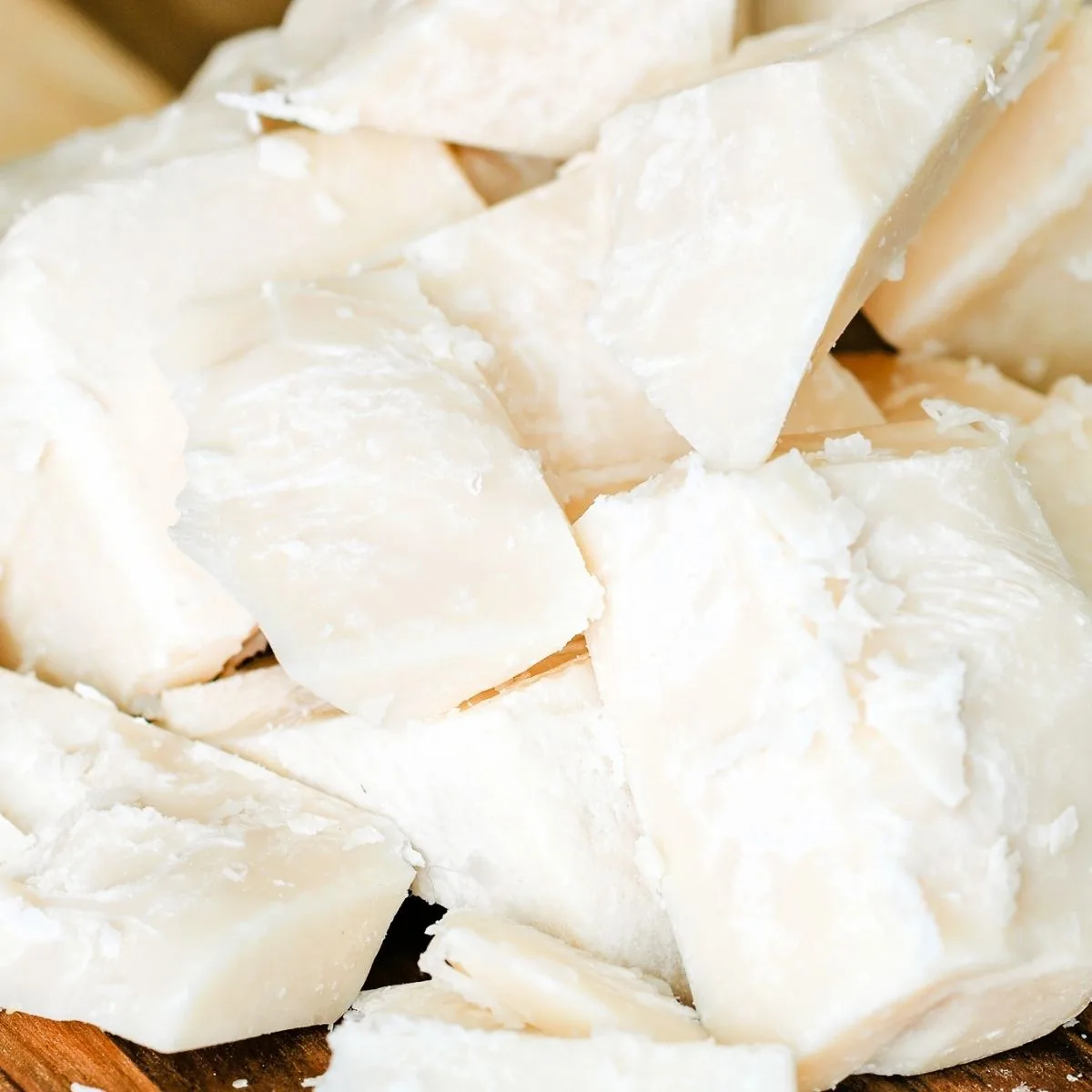
Purified beef tallow has an unmatched rich, buttery texture that nourishes dry skin and supports a healthy moisture barrier. It’s packed with healthy fats and fatty acids like stearic and palmitic acid, which strengthen skin cells, while linoleic acid helps with hydration.
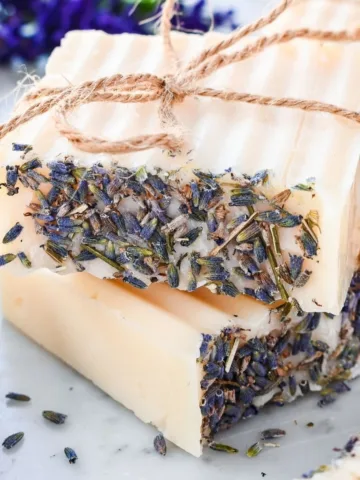
Unlike many vegetable oils that oxidize easily, tallow remains stable—even at higher temperatures—making it perfect for homemade tallow balm, tallow soap, or goat milk skincare recipes.
More Ways to Use Purified Tallow
- Make your own Homemade Whipped Tallow Balm for soft, healthy skin.
- Try a Tallow Lip Balm for dry winter lips.
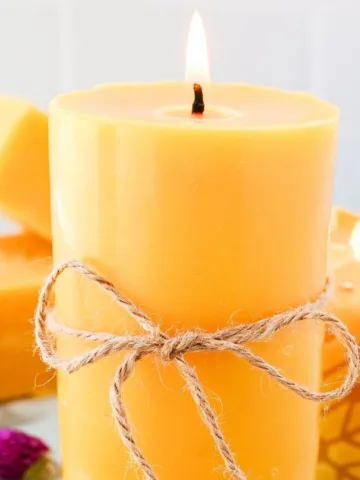
- Pour purified tallow into jars for Natural Candles From Beef Tallow that burn clean and smell amazing.
FAQ
1. Do I need to purify tallow if I already strained it?
If you’re only using it for cooking, straining might be enough. But for skincare, purification removes odors and residue for a smooth, white finish.
2. How long does purified tallow last?
Stored in a cool, dark place, it can last up to a year. You can also refrigerate or freeze it for long-term storage.
3. Can I use deer or other animal fats?
Yes! Deer tallow, lamb fat, or other traditional fats can all be purified using the same salt-water wash method.
Final Thoughts
Learning how to purify beef tallow for skincare is an easy way to elevate your homemade balms, soaps, and candles. This simple process transforms rendered fat into a pure, creamy, nutrient-dense fat with countless various uses around your home.
If this is your first time making your own tallow, you’ll love the results—and next time, you’ll be ready to create everything from tallow candles to soothing tallow balm right from your own kitchen.

Tried this recipe?
I would love to see it! Tag me on Instagram @idiesfarm and #idiesfarm so I can share your beautiful creation!

How to Purify Beef Tallow for Skincare (Odor-Free & Silky Smooth)
Ingredients
Equipment
Method
- Place your hardened tallow into a stock pot or slow cooker over very low heat. Allow it to become a clear liquid—avoid high temperatures to prevent scorching. Low, steady heat is key for best results.
- For every 2 cups (400–420 g) of melted tallow, add 1 cup of hot water and 1 tablespoon (18 g) of salt. The salt draws out any remaining impurities, bits of meat, or cloudy residue.
- Stir gently, then remove from the heat. Allow the mixture to cool at room temperature until the tallow solidifies on top. You’ll see the impurities and dark particles settle at the bottom of the pot.
- Once hardened, lift the purified tallow layer off the top. Discard the dirty water below. If you want an ultra-pure finish (for skincare or soapmaking), repeat this process one or two more times with fresh water and salt. Then, melt the purified tallow once more and pour it through a coffee filter or fine mesh strainer into a clean, dry container. This removes the tiniest remaining bits and gives you that smooth, creamy texture perfect for whipping into balm.
- Once the tallow has been strained, pour it into molds for later use or proceed with making tallow lip balm or whipped tallow balm.