
There’s something grounding about creating your own sourdough starter from nothing more than whole wheat flour and water. It’s the kind of slow, patient process that our great-grandparents practiced in their farm kitchens, where good bread began with a jar on the counter and time.
If you are just getting started with whole wheat baking, my post on What Is Milled Wheat and Why We Love Freshly Ground Flour explains the basics of fresh flour and why it behaves differently. Once your starter is active, my guide on how to feed a sourdough starter with whole wheat or freshly milled flour walks you through keeping it healthy long term.
Table of Contents
This post contains affiliate links, which means if you purchase through them, we may earn a small commission at no extra cost to you, helping keep Idie’s Farm running.
What Is a Whole Wheat Sourdough Starter?
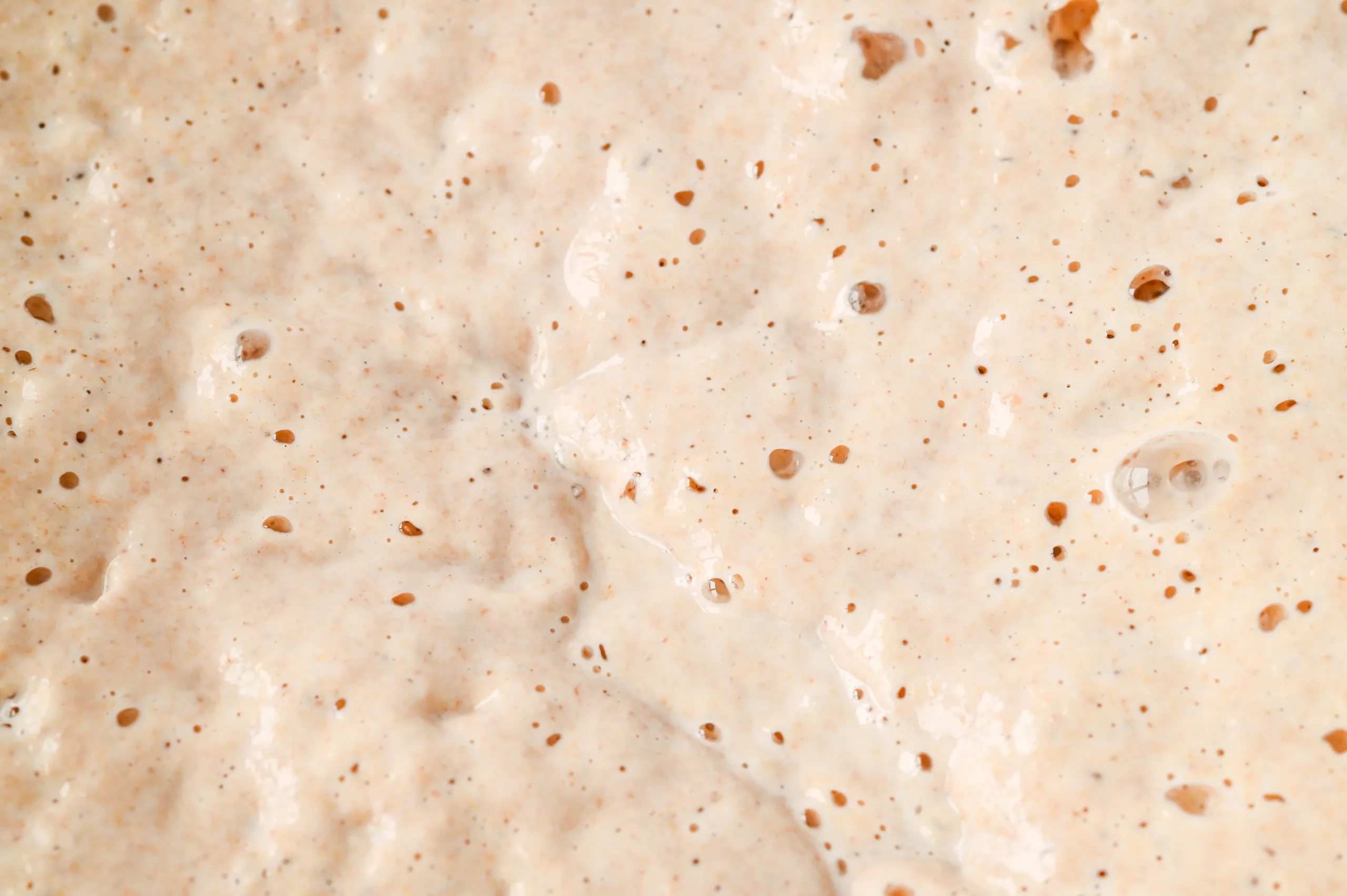
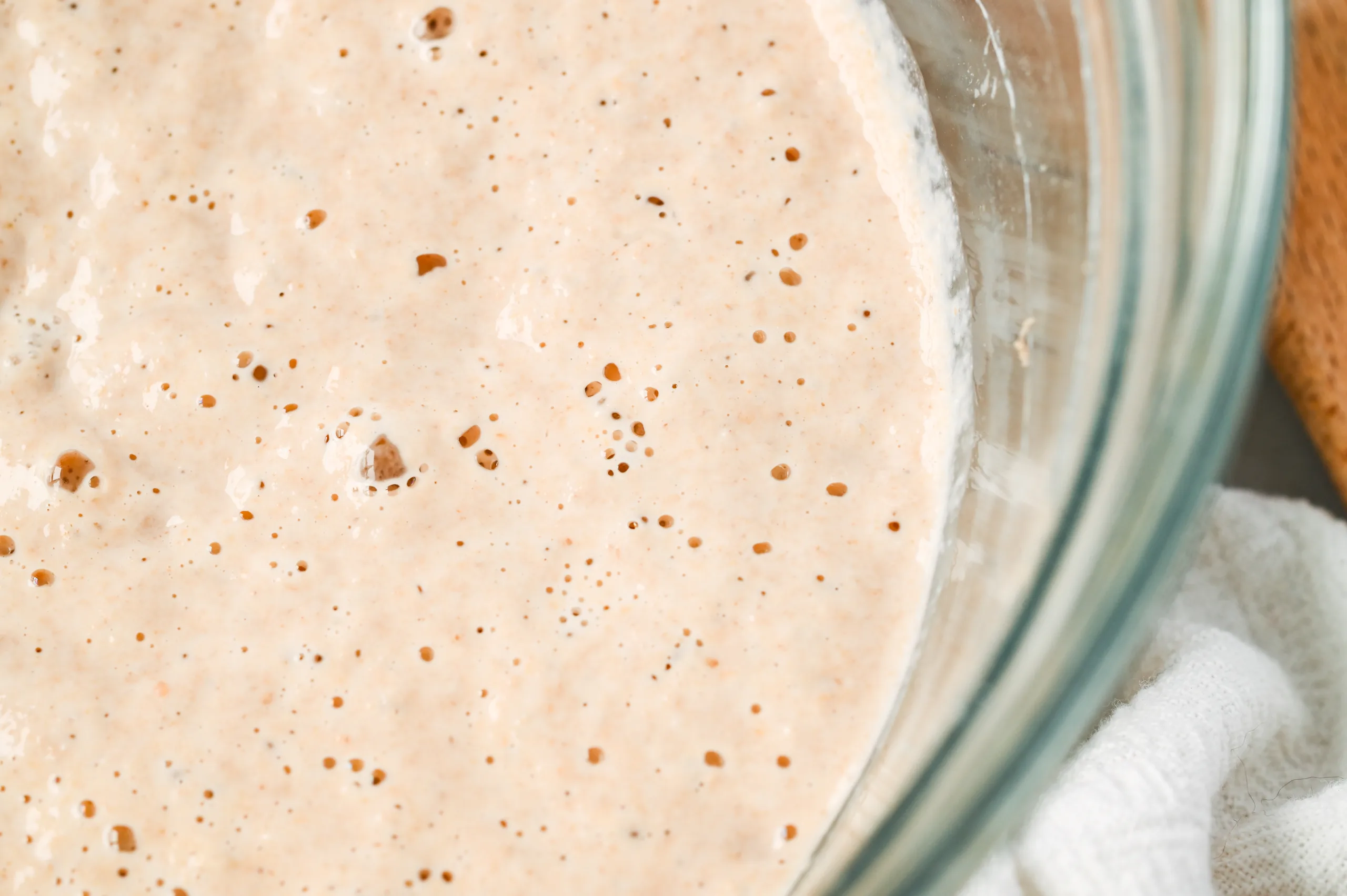
A sourdough starter is a living mixture of flour and water that captures wild yeast and bacteria from the air. As it ferments, it becomes bubbly, tangy, and ready to leaven bread naturally, no commercial yeast required!
Using whole wheat flour adds extra nutrients, flavor, and natural microbes, helping your starter become active faster than a starter made with all-purpose flour, like the one used in my How to Make a Sourdough Starter From Scratch post.

Why Start with Whole Wheat Flour?
If you’ve ever baked with King Arthur Whole Wheat Flour or freshly milled grain, you know that whole wheat sourdough bread has a deep, nutty flavor and hearty texture. That same richness begins right in the starter.
- Nutrient-dense: Whole wheat flour contains natural enzymes and minerals that help fermentation.
- Active fermentation: The wild yeasts thrive on the nutrients found in whole grains.
- Old-fashioned authenticity: This is how sourdough bread was made for generations, long before “bread flour” or “instant yeast.”
Starting your sourdough this way is more than baking; it’s preserving a tradition.
Equipment You'll Need
- A clean glass jar or crock
- Spoon for stirring

Ingredients You’ll Need
- 1 cup whole wheat flour (freshly milled if possible)
- ¾ cup water (filtered or dechlorinated)
You can also use whole grain flour blends or 100% whole wheat flour. The higher the bran content, the more lively your fermentation will be.
How to Make Your Own Sourdough Starter

Day 1
In your jar, mix 1 cup of whole wheat flour with ¾ cup of water. Stir until no dry spots remain. Cover loosely with a lid or cloth and leave at room temperature (68–75°F).

Day 2
You may see small bubbles and smell a little tang, that’s a good sign. Discard half of the mixture and feed it with ½ cup flour and ½ cup water. Stir and cover again.

Days 3–5
Continue feeding every 24 hours. As the culture matures, it should double in size between feedings and smell pleasantly yeasty.
If it’s cool in your kitchen, place the jar near a warm spot, like on top of the fridge or near the stove.

Day 6 and Beyond
When the starter consistently doubles within 4–6 hours of feeding, it’s ready to bake. You now have a strong, bubbly wheat sourdough starter ready for bread, rolls, or even pancakes.
Try it in my Perfect Milled Wheat Sourdough Pie Crust Recipe for a flavorful, tangy crust made with whole wheat starter.
Feeding and Maintaining Your Starter
Feed your starter regularly, ideally once a day if it lives at room temperature, or weekly if stored in the fridge.
To feed:
- Discard half the starter.
- Add equal weights (not volumes) of whole wheat flour and water.
- Stir, cover, and let it rise.
The discarded portion doesn’t have to be wasted! Use it in sourdough discard recipes like muffins, crackers, or pancakes, another frugal, old-fashioned habit that turns waste into nourishment.
Browse our Sourdough Discard Lemon Blueberry Quick Bread Recipe for a delicious way to use it.
Tips for Whole Wheat Sourdough Baking
- Hydration: Whole wheat flour absorbs more water than bread flour or all-purpose flour, so you may need to increase your recipe’s hydration slightly.
- Fermentation time: Whole-grain starters ferment faster. Keep an eye on your dough and reduce rise times as needed.
- Texture: Expect a slightly denser crumb, full of flavor and fiber.
- Temperature: Ideal sourdough rising temperature is around 75°F for consistent fermentation.
If you love traditional baking, you’ll also enjoy our Whole Wheat Donuts Made with Fresh Milled Flour.

Why Whole Wheat Sourdough Fits an Old-Fashioned Kitchen
Making your own sourdough starter from whole wheat flour is the very definition of slow living. It’s a rhythm of feeding, watching, and waiting, much like tending a garden. Each bubble and rise connects you to generations who did the same, long before store shelves and “instant yeast.”
When you bake with a whole wheat sourdough starter, you’re carrying on a tradition of real food, made simply, with time and care.
Frequently Asked Questions About Whole Wheat Sourdough Starters
Can I make a sourdough starter with 100% whole wheat flour?
Yes! A 100% whole wheat sourdough starter develops quickly because the bran and germ provide natural nutrients and wild yeast for fermentation.
What is the best temperature for a sourdough starter?
Keep your starter at room temperature (68–75°F). Too cool, and fermentation slows; too warm, and it may become overly sour.
Do I need to switch to all-purpose flour once my starter is active?
Not necessarily. Many bakers keep feeding with whole wheat flour, while others transition to bread flour or a whole-grain blend for a milder flavor and smoother texture.
How often should I feed my starter?
Feed daily at room temperature, or once a week if refrigerated. Regular feeding keeps the starter strong and active for sourdough bread recipes.
What can I do with sourdough discard?
Use it in sourdough discard recipes such as waffles, brownies, or quick breads — an easy, thrifty way to reduce waste.
Is whole wheat sourdough bread healthier than white bread?
Generally, yes. Whole grain sourdough bread retains more nutrients and fiber. Fermentation also helps make those nutrients more digestible, aligning beautifully with traditional, slow-fermented baking methods.
Try your whole wheat sourdough starter on these recipes!



Tried this recipe?
I would love to see it! Tag me on Instagram @idiesfarm and #idiesfarm so I can share your beautiful creation!

How to Make a Whole Wheat Sourdough Starter (The Old-Fashioned Way)
Ingredients
Equipment
Method
- Day 1: In your jar, mix 1 cup of whole wheat flour with ¾ cup of water. Stir until no dry spots remain. Cover loosely with a lid or cloth and leave at room temperature (68–75°F).
- Day 2: You may see small bubbles and smell a little tang, that’s a good sign. Discard half of the mixture and feed it with ½ cup flour and ½ cup water. Stir and cover again.
- Days 3–5: Continue feeding every 24 hours. As the culture matures, it should double in size between feedings and smell pleasantly yeasty. If it’s cool in your kitchen, place the jar near a warm spot, like on top of the fridge or near the stove.
- Day 6 and Beyond: When the starter consistently doubles within 4–6 hours of feeding, it’s ready to bake. You now have a strong, bubbly wheat sourdough starter ready for bread, rolls, or even pancakes.
Notes
Feeding and Maintaining Your Starter
Feed your starter regularly, ideally once a day if it lives at room temperature, or weekly if stored in the fridge. To feed:- Discard half the starter.
- Add equal weights (not volumes) of whole wheat flour and water.
- Stir, cover, and let it rise.
Tips for Whole Wheat Sourdough Baking
- Hydration: Whole wheat flour absorbs more water than bread flour or all-purpose flour, so you may need to increase your recipe’s hydration slightly.
- Fermentation time: Whole-grain starters ferment faster. Keep an eye on your dough and reduce rise times as needed.
- Texture: Expect a slightly denser crumb — full of flavor and fiber.
- Temperature: Ideal sourdough baking temperature is around 75°F for consistent fermentation.

Welcome!
Hi! I’m Stephanie, also known as Idie. Follow me as I tap into the methods of the past and learn how to make my world a little smaller.