
There is something especially comforting about sourdough oatmeal bread. The rolled oats soften gently into the dough, the honey adds just enough sweetness, and the loaf bakes up tender with a beautifully golden crust. It is simple and wholesome, the kind of bread that feels right at home on the table. I love slicing it thick for sandwiches or toasting it in the morning, spreading it with a pat of raw homemade butter and a spoonful of homemade strawberry jam while it is still warm.
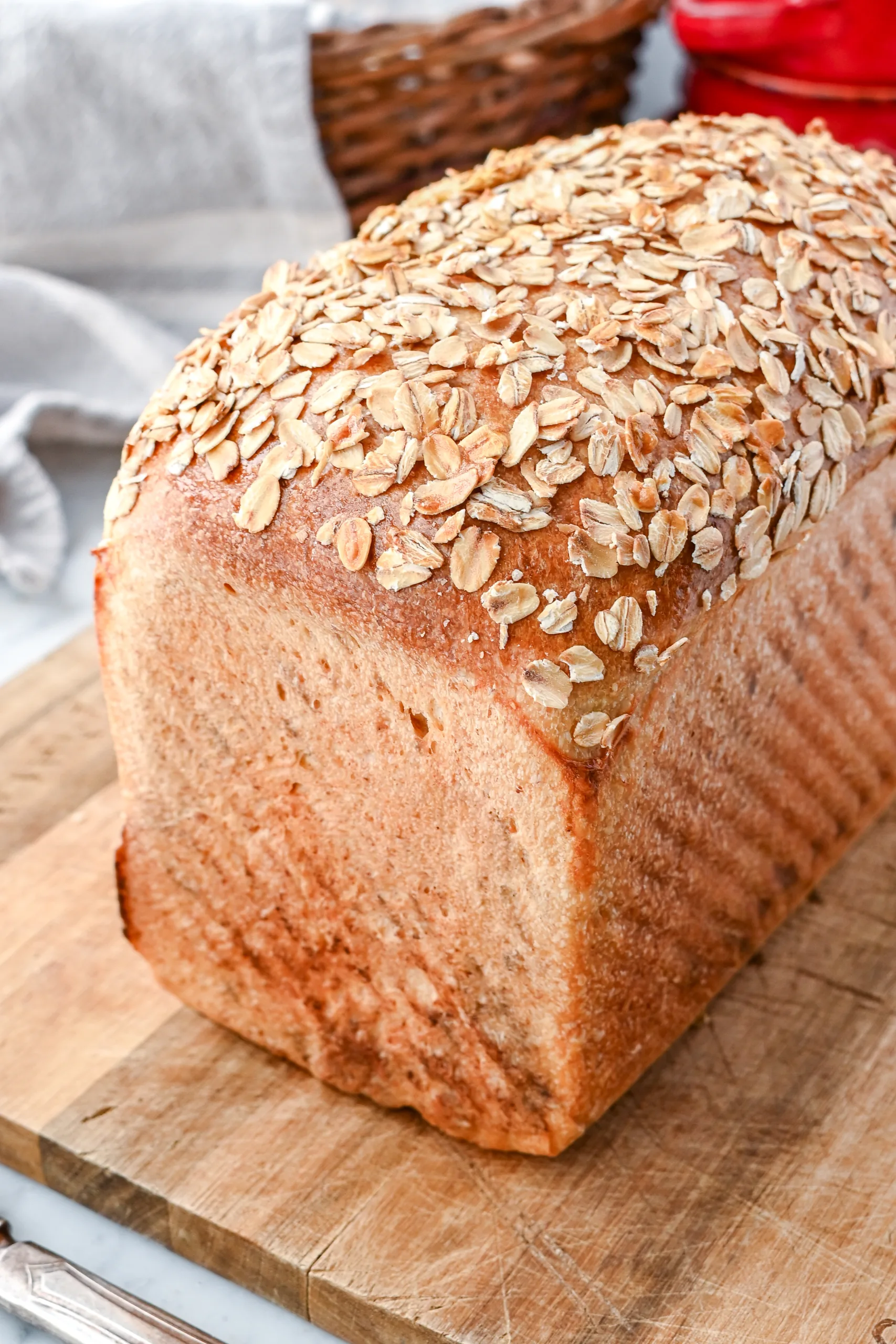
If you love hearty loaves like my Buttery Sourdough Croissant Bread Recipe or my Perfect Sourdough Sandwich Bread Recipe, this oat sourdough bread is another cozy addition to your baking rotation. It has the structure of a sourdough sandwich bread but with the added softness that oats bring to the crumb.
Table of Contents
This post contains affiliate links, which means I make a small commission at no extra cost to you. See my full disclosure here.
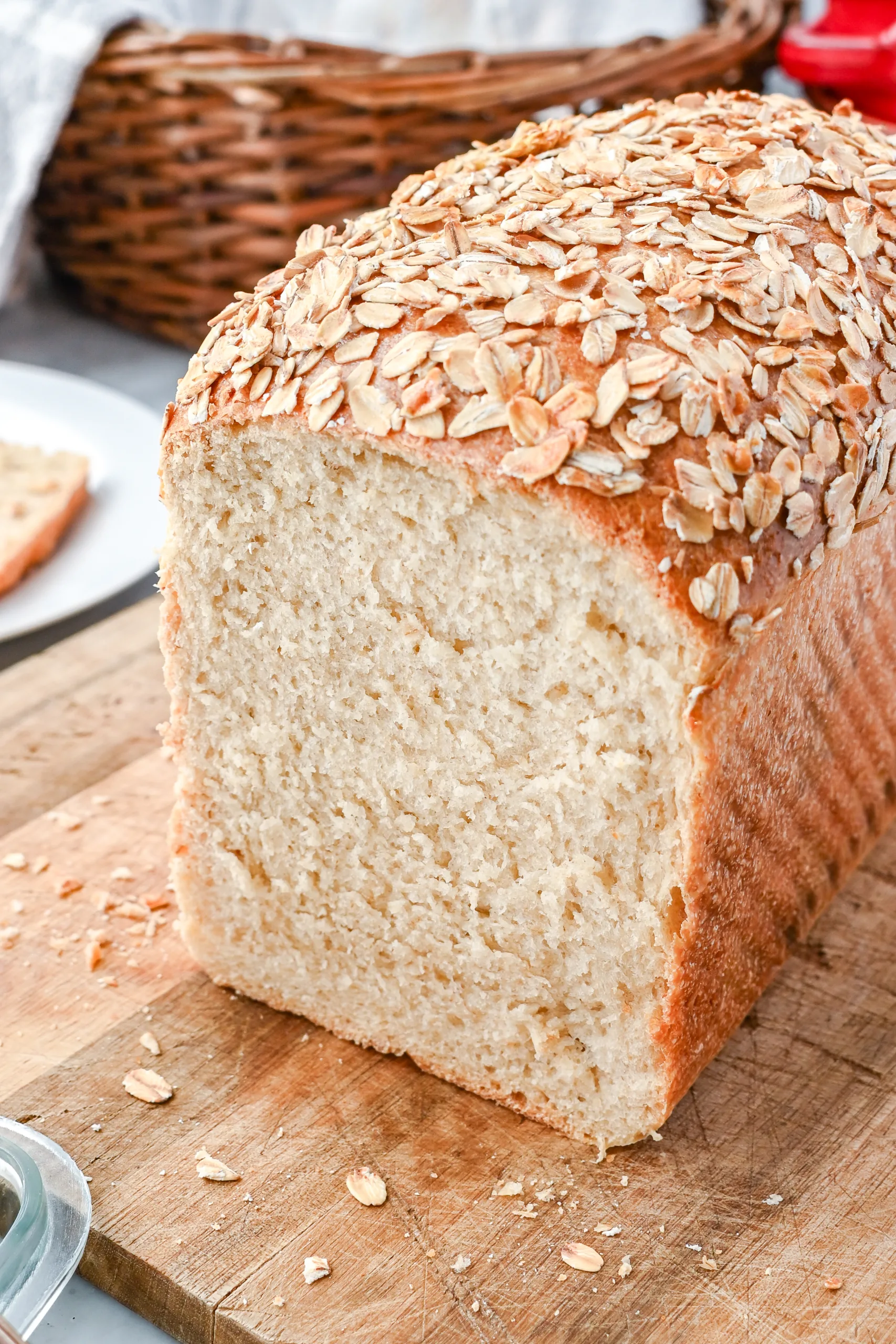
Why I Love This Oat Sourdough Bread
This sourdough oatmeal bread has:
- Soft texture from soaked rolled oats
- A subtle honey oat flavor
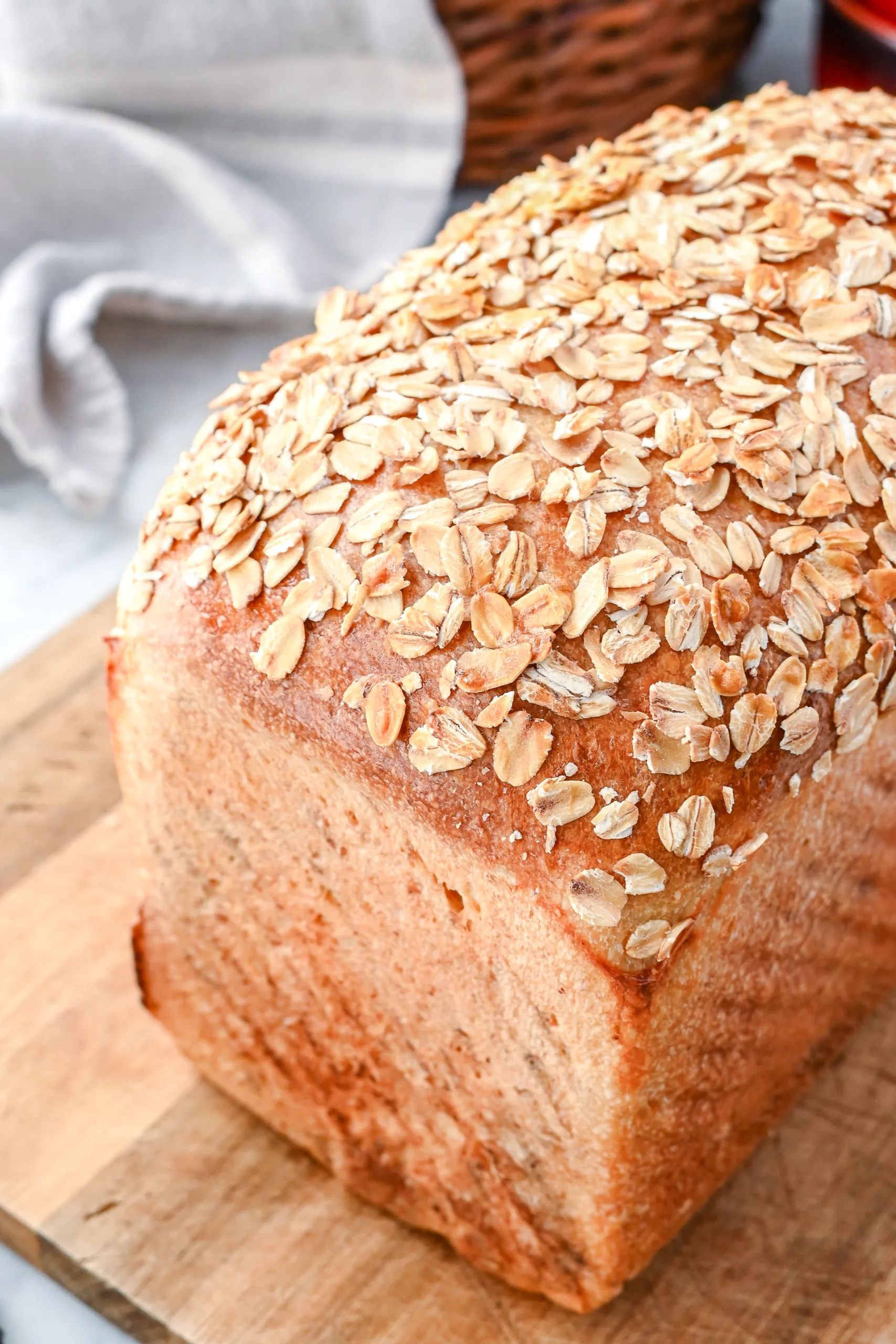
- Beautiful golden crust
- Excellent structure for sandwich bread
- Simple pantry ingredients
The oats hydrate during bulk fermentation, making the loaf tender without feeling heavy. It is not a whole wheat bread, but with the added butter and egg it still feels hearty and nourishing.
Quick Look at This Recipe
Prep time: 25 minutes
Bake time: 40 to 50 minutes
Total time: About 5 to 6 hours, depending on fermentation
Servings: 1 standard 9x5 loaf
Texture: Soft, tender crumb with a lightly chewy oat topping
Best served: Sliced for sandwiches, toasted with butter and jam, or warm with honey

Ingredients for Oat Sourdough Bread
1 cup rolled oats or quick oats (90 g)
½ cup hot water (120 g)
¼ cup butter, softened (57 g) or coconut oil (55 g)
1 tablespoon honey (21 g)
2 teaspoons salt (12 g)
½ cup active and bubbly sourdough starter (120 g)
1 cup water (240 g)
4 cups all-purpose flour (572 g)
1 egg
1-2 tablespoon oats, for topping (optional)
1 egg for egg wash (optional)
You can use bread flour if preferred, but I find all-purpose flour creates a beautifully soft oat sourdough bread.
Equipment
- Stand mixer with dough hook (recommended for proper gluten development)
- Large mixing bowl (for bulk fermentation)
- Small bowl (for soaking oats)
- 9x5 inch loaf pan
- Parchment paper (optional, for easy removal)
- Silicone spatula or dough scraper
- Measuring cups and spoons or kitchen scale
- Instant-read thermometer (optional-to check for doneness, 195 to 200°F)
How to Make Oat Sourdough Bread

STEP 1: In a large bowl, pour ½ cup hot water over the rolled oats. Let them sit for about 10 minutes to soften. This prevents the oats from pulling moisture from the dough later. Do not drain it off.

STEP 2: Add the butter, honey, salt, active sourdough starter, egg, and remaining water into the bowl of soaked oats. Stir until combined. Gradually mix in the flour until a shaggy dough forms. The dough should feel soft but not overly sticky.
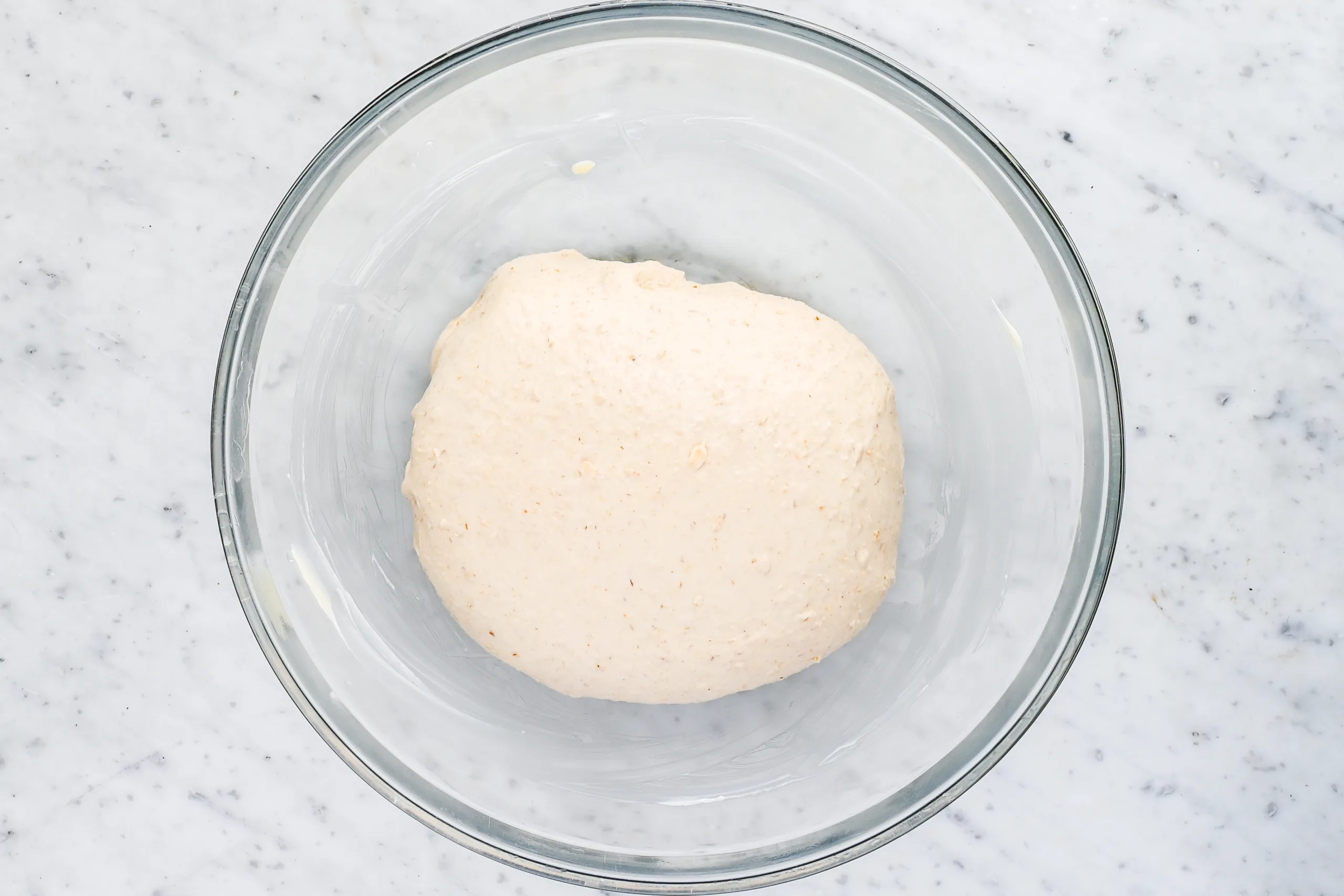
STEP 3: Knead the dough until smooth and elastic. You can knead by hand or use a stand mixer with a dough hook. Mix on low (speed 1–2) until combined — about 2–3 minutes. Then, increase slightly (speed 2–3) and knead for 8–12 minutes until the dough comes together.
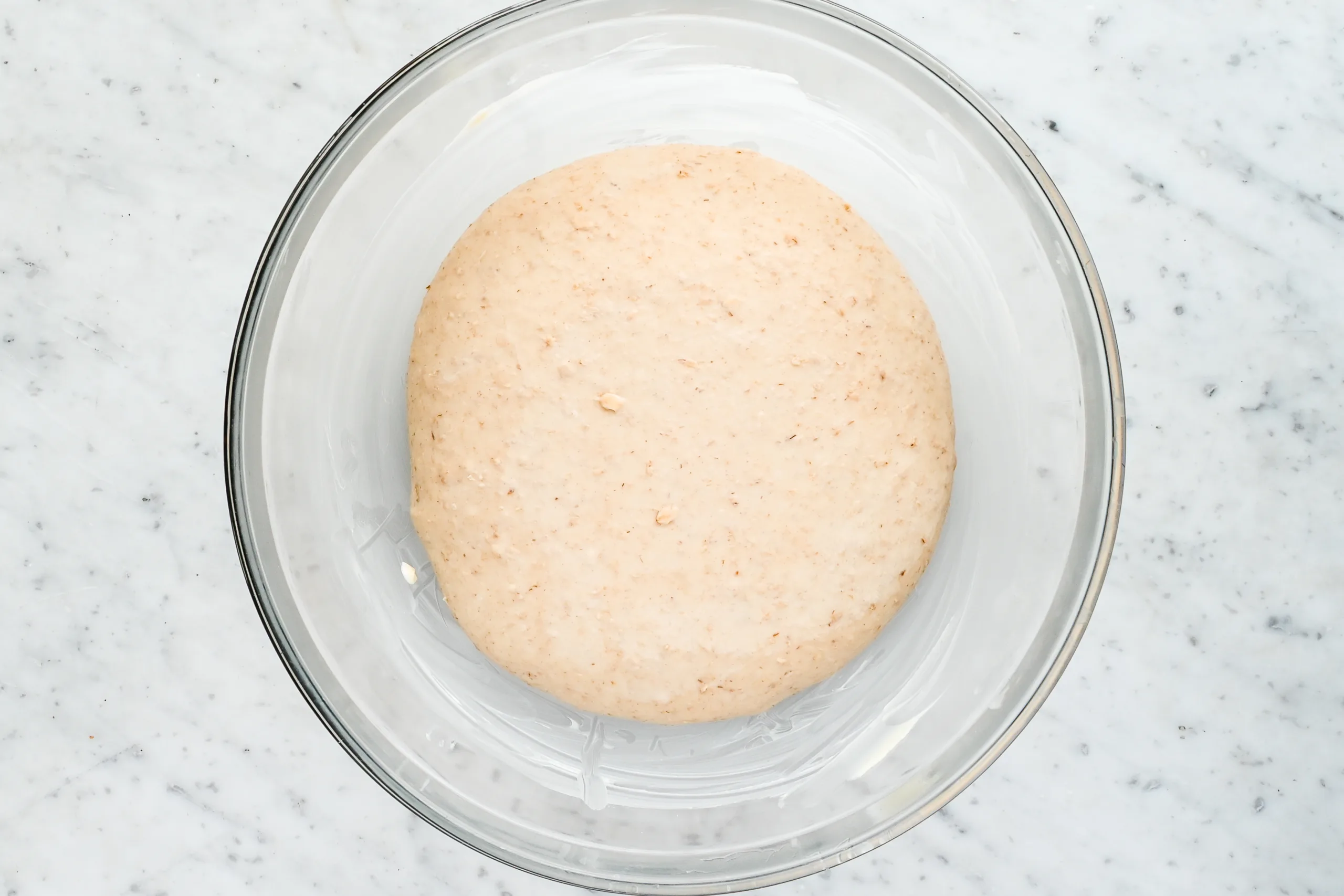
STEP 4: Place the dough into a greased bowl, cover with a tea towel or plastic wrap, and let it bulk ferment at room temperature for 4 to 6 hours, depending on your kitchen. The dough should rise noticeably and feel airy. You are looking for a 40–60% rise, not a full double.
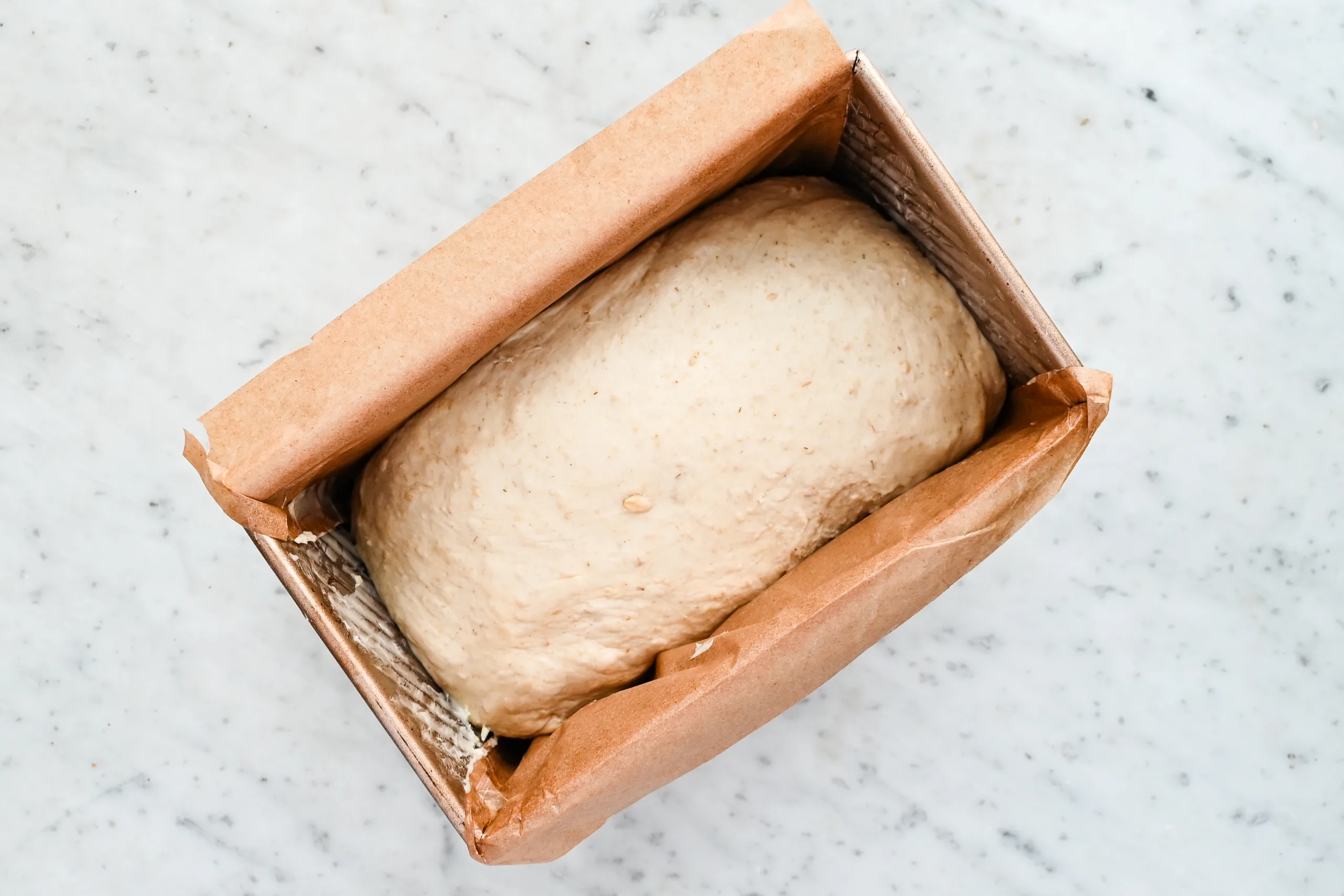
STEP 5: Turn the dough out onto a lightly floured surface. Gently shape into a loaf and place into a greased 9×5 inch loaf pan.

STEP 6: Cover and let it rise again for 2 to 4 hours, or until the dough has risen just above the rim of the pan. Once risen and if using, brush the top of the loaf with egg wash and sprinkle with oats. If you prefer to slow ferment the loaf overnight, you can place the shaped dough directly into the refrigerator after putting it in the loaf pan. Cover it tightly and refrigerate for 8 to 12 hours. The next day, remove the pan from the refrigerator and allow the dough to sit at room temperature until it rises just above the rim of the pan. Depending on how much it rose overnight and the temperature of your kitchen, this may take 30 minutes to 2 hours. Bake once it looks pillowy and slightly domed over the top.
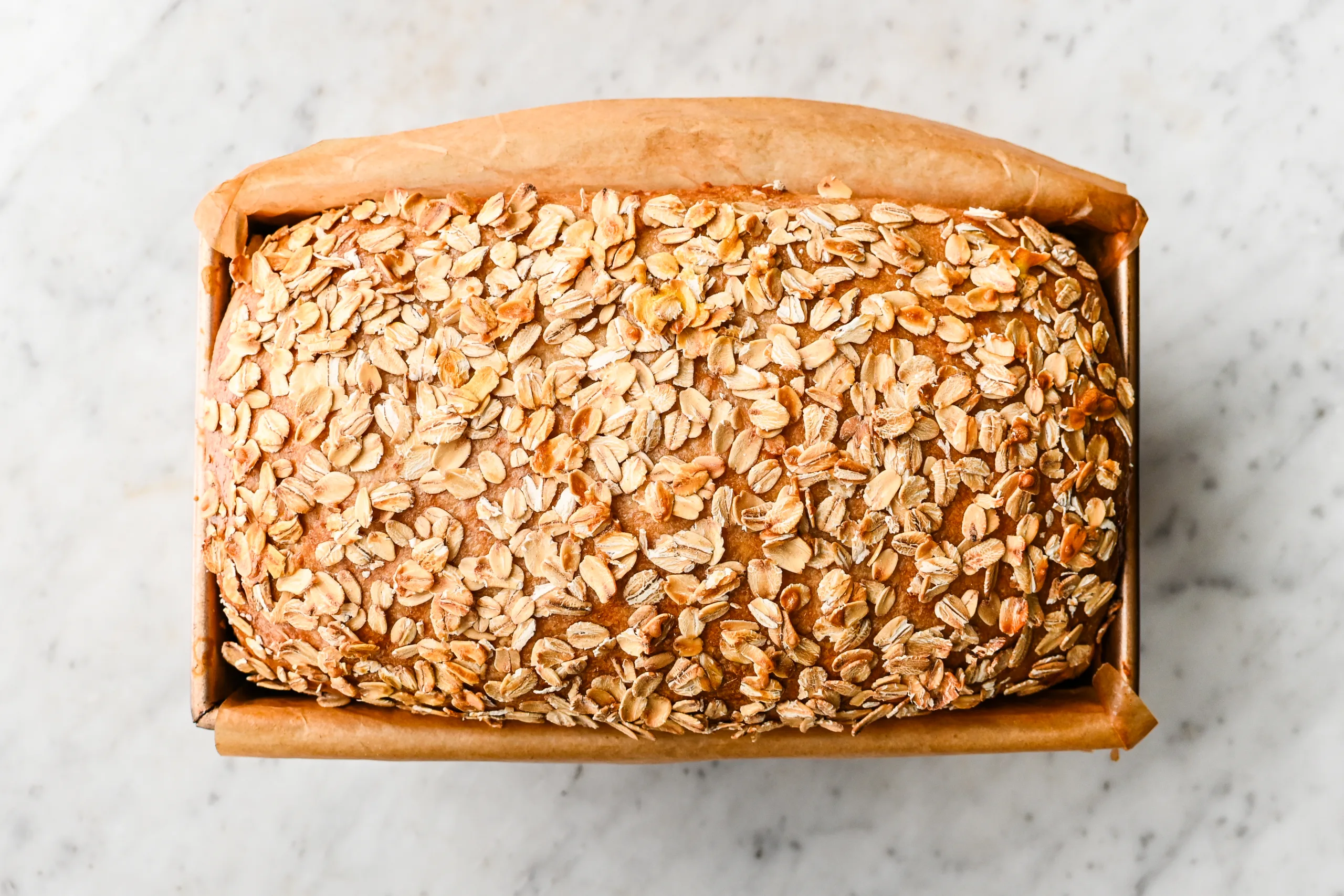
STEP 7: Preheat your oven to 375°F. Bake for 40 to 55 minutes, or until the loaf reaches an internal temperature of 195°F. Let cool completely before slicing.
Serving Ideas
This oat sourdough bread is wonderful sliced thick and spread with my Homemade Whipped Honey Butter Recipe while still slightly warm.
It also pairs beautifully with Classic Homemade Strawberry Jam Without Pectin for a simple breakfast.
For sandwiches, it holds up beautifully to fillings, much like sourdough sandwich bread.
Tips for Success
- Make sure your sourdough starter is active and bubbly before mixing.
- Do not skip soaking the oats.
- This is an enriched dough with butter, egg, honey, and soaked oats, so it takes longer to develop gluten than a simple flour-and-water bread. Mix on low speed to combine, then knead on medium until the dough pulls away from the sides of the bowl and looks smooth and slightly glossy. This can take 8 to 12 minutes in a stand mixer. The dough should feel soft and slightly tacky but not wet or sloppy. If you stop mixing too soon, the loaf may turn out dense.
- Do Not Be Alarmed by a Soft Dough: Because of the oats and enrichment, the dough will feel softer than a basic sourdough loaf. That is normal. As long as it holds together and passes a gentle windowpane test, it is ready for bulk fermentation.
- After kneading, lightly grease your bowl with butter or oil before placing the dough back in. This prevents sticking and protects the structure when you remove it for shaping.
- Lightly oil your hands or very lightly flour your work surface. Turn the dough out gently to avoid deflating it completely. Press it into a rectangle, then roll it tightly into a log, tucking as you go to build surface tension. Pinch the seam closed and place it seam side down into your greased loaf pan. The dough should feel smooth and cohesive, not sticky or tearing.
Frequently Asked Questions About Oat Sourdough Bread
Can I use whole wheat flour?
Yes, you can substitute part of the flour with whole wheat flour, but expect a slightly denser crumb.
Can I bake this in a dutch oven?
You can, but this recipe is designed as a sandwich bread loaf. For a round loaf baked in a dutch oven, reduce hydration slightly and shape accordingly.
Can I use maple syrup instead of honey?
Yes. Maple syrup works well in this honey oat style bread.

Tried this recipe?
I would love to see it! Tag me on Instagram @idiesfarm and #idiesfarm so I can share your beautiful creation!


Sourdough Oatmeal Bread (Soft Honey Oat Sandwich Loaf)
Ingredients
Equipment
Method
- In a large bowl, pour ½ cup hot water over the rolled oats. Let them sit for about 10 minutes to soften. This prevents the oats from pulling moisture from the dough later. Do not drain it off.
- Add the butter, honey, salt, active sourdough starter, and remaining water to the bowl of soaked oats. Stir until combined. Gradually mix in the flour until a shaggy dough forms. The dough should feel soft but not overly sticky.
- Knead the dough until smooth and elastic. You can knead by hand or use a stand mixer with a dough hook. Mix on low (speed 1–2) until combined — about 2–3 minutes. Then, increase slightly (speed 2–3) and knead for 8–12 minutes until the dough comes together.
- Place the dough into a greased bowl, cover with a tea towel or plastic wrap, and let it bulk ferment at room temperature for 4 to 6 hours, depending on your kitchen. The dough should rise noticeably and feel airy. You are looking for a 40–60% rise, not a full double.
- Turn the dough out onto a lightly floured surface. Gently shape into a loaf and place into a greased 9×5 inch loaf pan.
- Cover and let it rise again for 2 to 4 hours, or until the dough has risen just above the rim of the pan. Once risen and if using, brush the top of the loaf with egg wash and sprinkle with oats. If you prefer to slow ferment the loaf overnight, you can place the shaped dough directly into the refrigerator after putting it in the loaf pan. Cover it tightly and refrigerate for 8 to 12 hours. The next day, remove the pan from the refrigerator and allow the dough to sit at room temperature until it rises just above the rim of the pan. Depending on how much it rose overnight and the temperature of your kitchen, this may take 30 minutes to 2 hours. Bake once it looks pillowy and slightly domed over the top.
- Preheat your oven to 375°F. Bake for 40 to 55 minutes, or until the loaf reaches an internal temperature of 195°F. Let cool completely before slicing.
Notes

Welcome!
Hi! I’m Stephanie, also known as Idie. Follow me as I tap into the methods of the past and learn how to make my world a little smaller.