If you’ve started baking with sourdough, you’ve probably heard about something called “sourdough discard.” But what exactly is it—and why do so many recipes call for it? When I first started maintaining my sourdough starter, I didn’t want to waste a single bit. Over time, I learned that this so-called “discard” is actually a goldmine for quick and easy recipes that don’t require long fermentation.
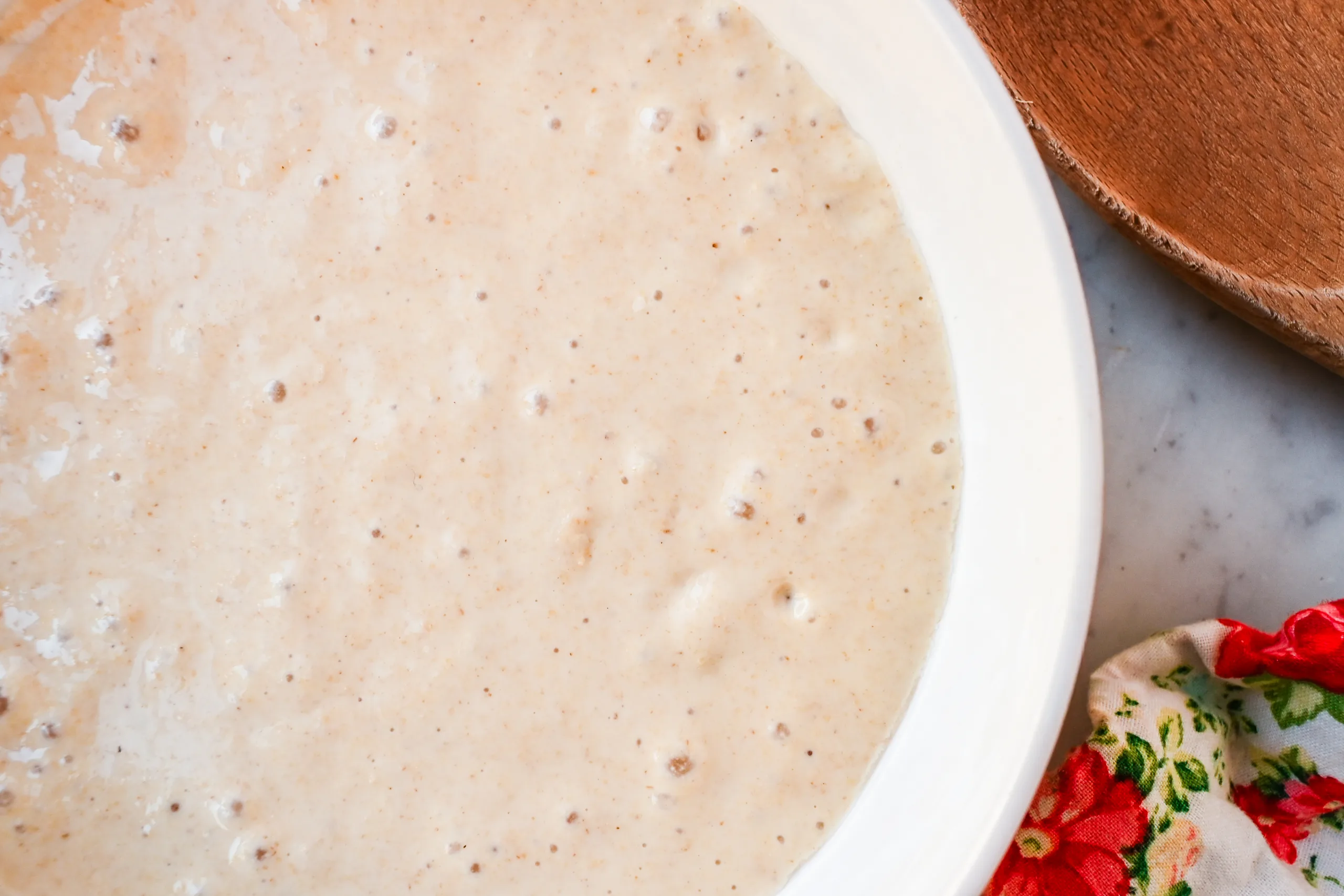
Table of Contents
This post contains affiliate links, which means I make a small commission at no extra cost to you. See my full disclosure here.
Whether you’re brand new to sourdough or simply looking for more ways to use your discard, this post will help you understand what it is, why we remove it, and how to put it to delicious use.
Quick Look at This Guide
- What sourdough discard really is
- How it differs from active starter
- Why you need to remove discard regularly
- How to store and use sourdough discard in recipes
- Favorite sourdough discard recipes to try next
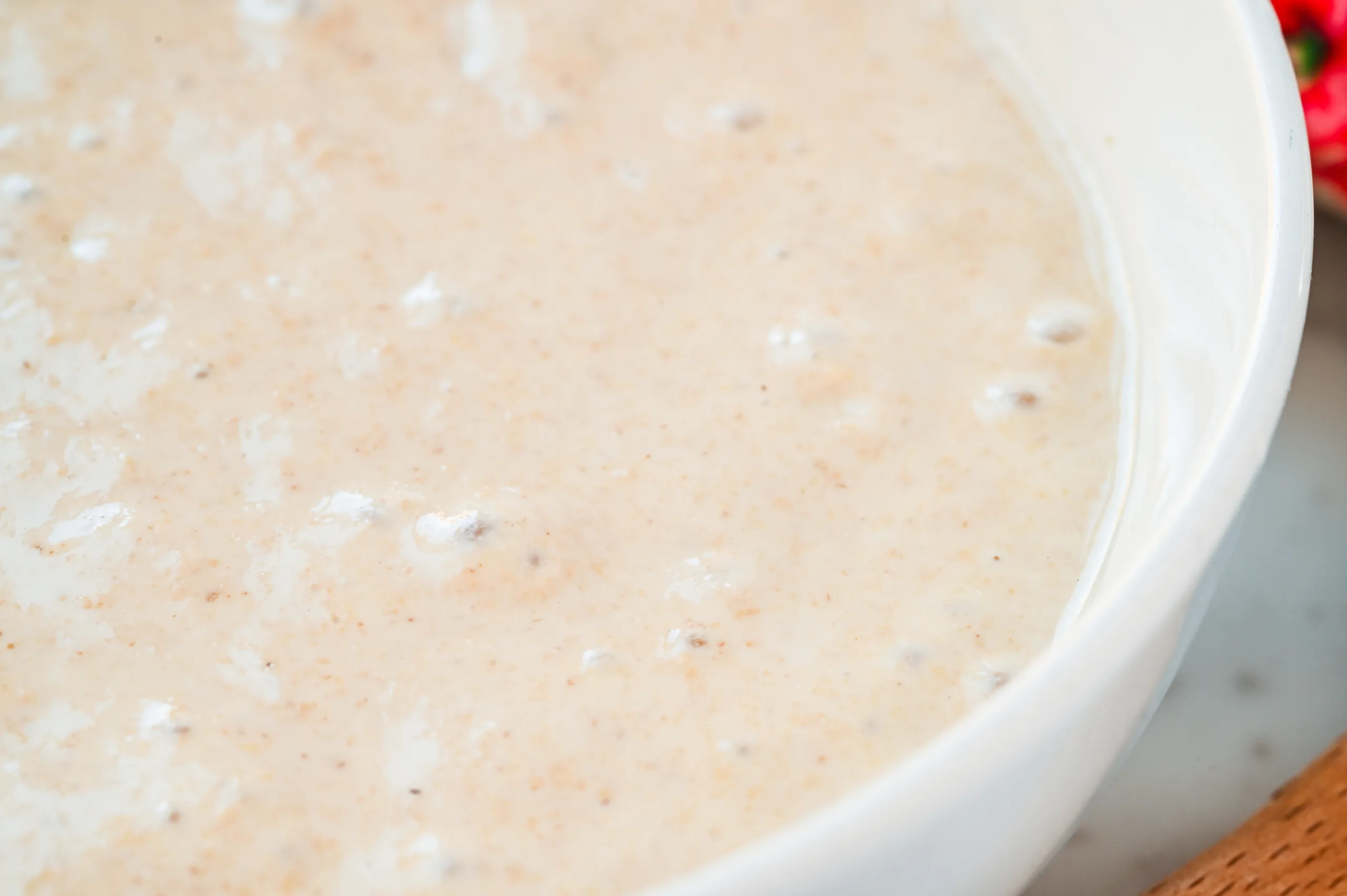
What Is Sourdough Discard?
Sourdough discard is the portion of your starter that you remove before feeding it with fresh flour and water. Each time you feed your starter, you “discard” part of it to keep the balance of wild yeast and bacteria healthy and prevent your jar from overflowing.
Think of it as the unfed portion of your starter—still full of flavor and natural fermentation benefits, but not quite active enough to make bread rise on its own.
Is Sourdough Discard the Same as Sourdough Starter?
Not exactly.
An active sourdough starter is bubbly, doubled in size, and ready to bake bread. It has been recently fed and is full of strong yeast activity.
Sourdough discard, on the other hand, hasn’t been fed in a while. It’s more acidic, less active, and won’t rise bread—but it’s perfect for adding sourdough flavor to recipes that use other leaveners like baking powder or baking soda.
If you’re not sure when your starter is ready to bake, you can always check out my Easy Sourdough Tortillas Recipe or Soft Sourdough Discard Rolls to see how each type behaves differently.
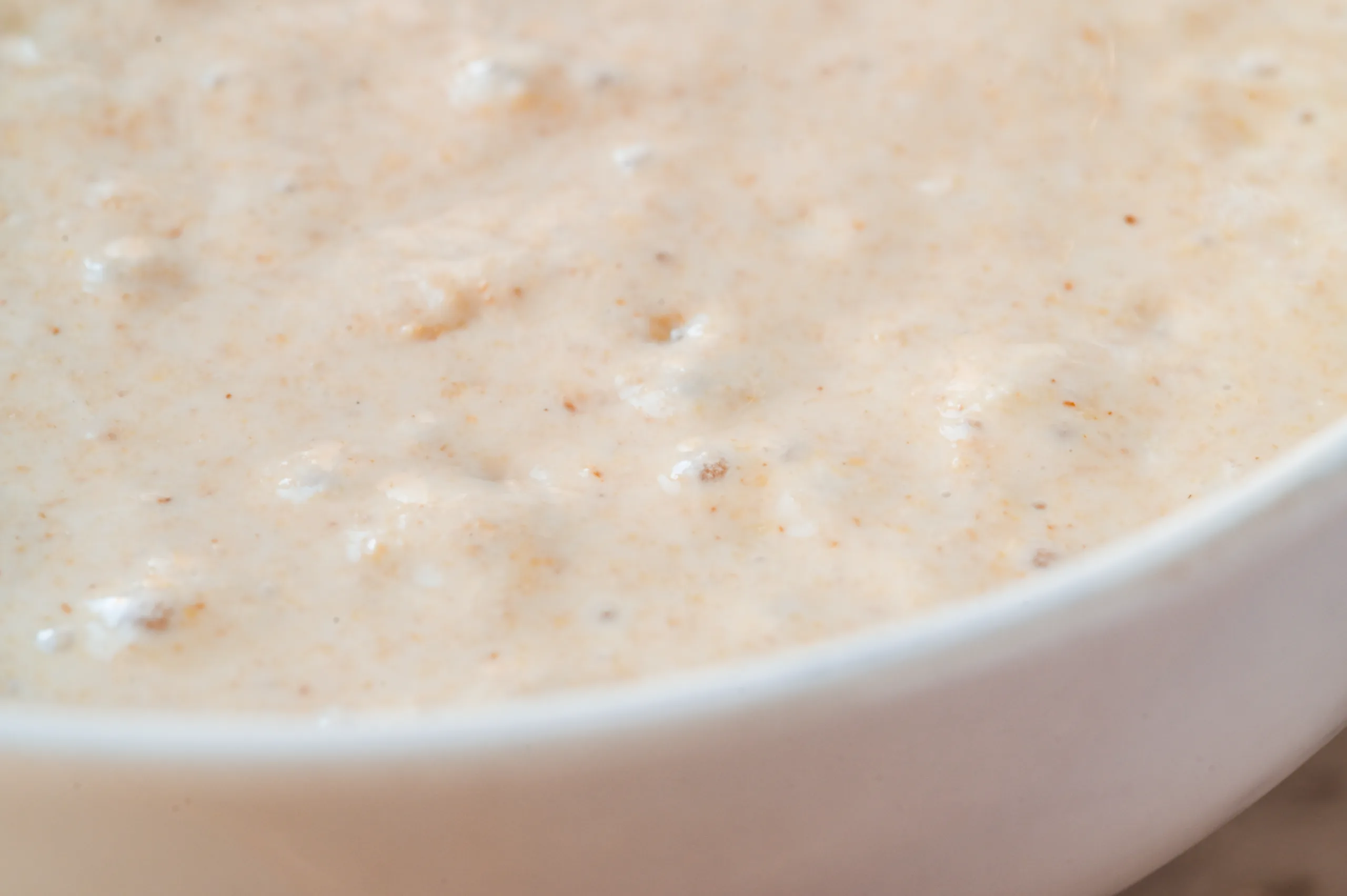
Why Do You Have to Remove Discard?
Regularly removing discard keeps your starter manageable and healthy.
If you just kept feeding the same jar without removing any, it would grow exponentially and quickly run out of food. Discarding ensures your starter has the right ratio of flour and water to continue thriving.
It also helps control acidity—an over-fermented starter can get too sour and sluggish.
How to Store Sourdough Discard
You can collect your discard in a clean jar and store it in the refrigerator for up to 1–2 weeks. Just make sure it’s sealed tightly and labeled with the date.
If you bake often, you can also keep a small container at room temperature and use it within a day or two. When the jar starts to get full, it’s time to bake!

How to Use Sourdough Discard
This is where the fun begins! Sourdough discard adds a mild tang and depth of flavor to just about anything. It’s especially wonderful in recipes that don’t require long fermentation.
Some of my favorite ways to use discard include:
- Breakfast Favorites: Try Sourdough Discard Pancakes or Easy Sourdough Discard Crepes Recipe.
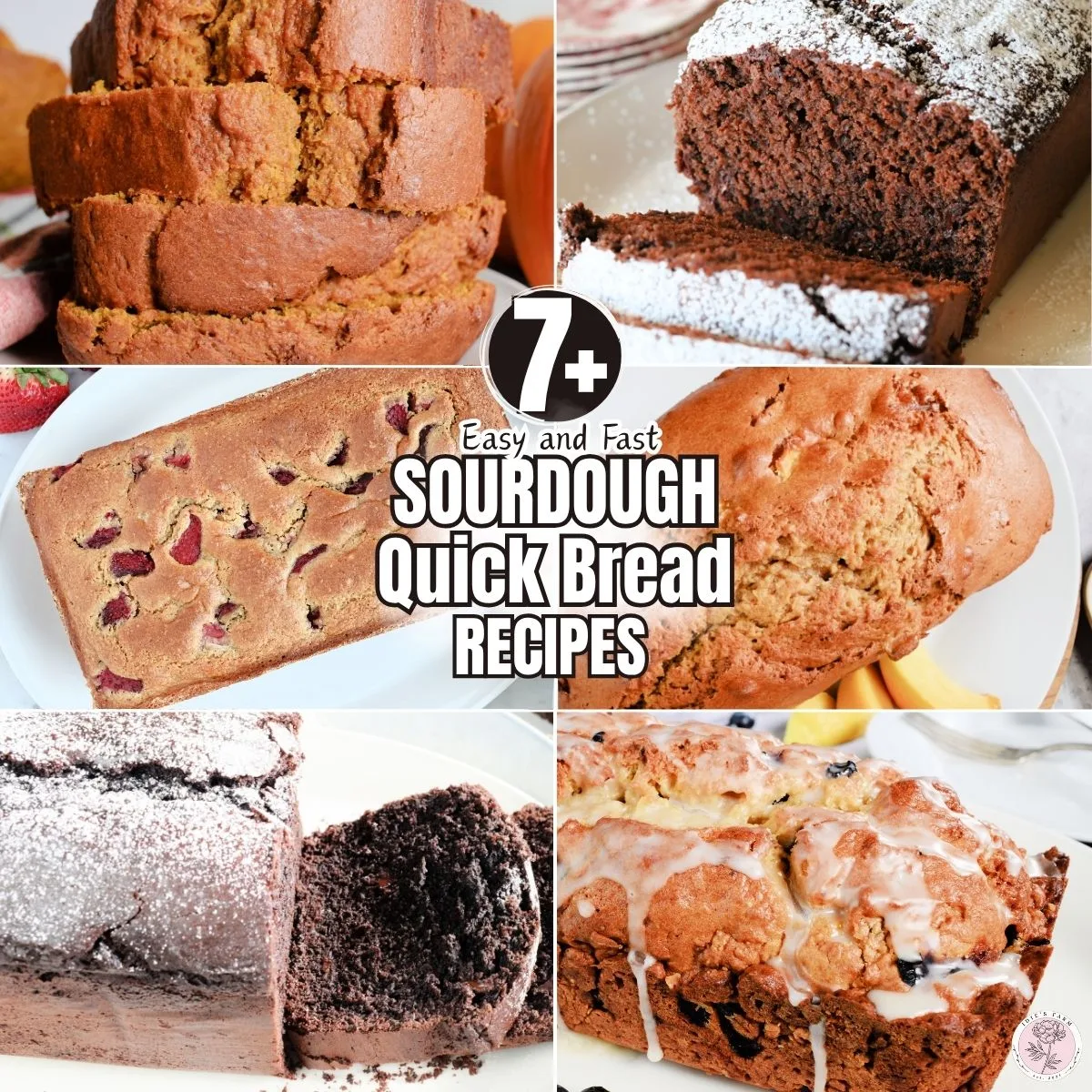
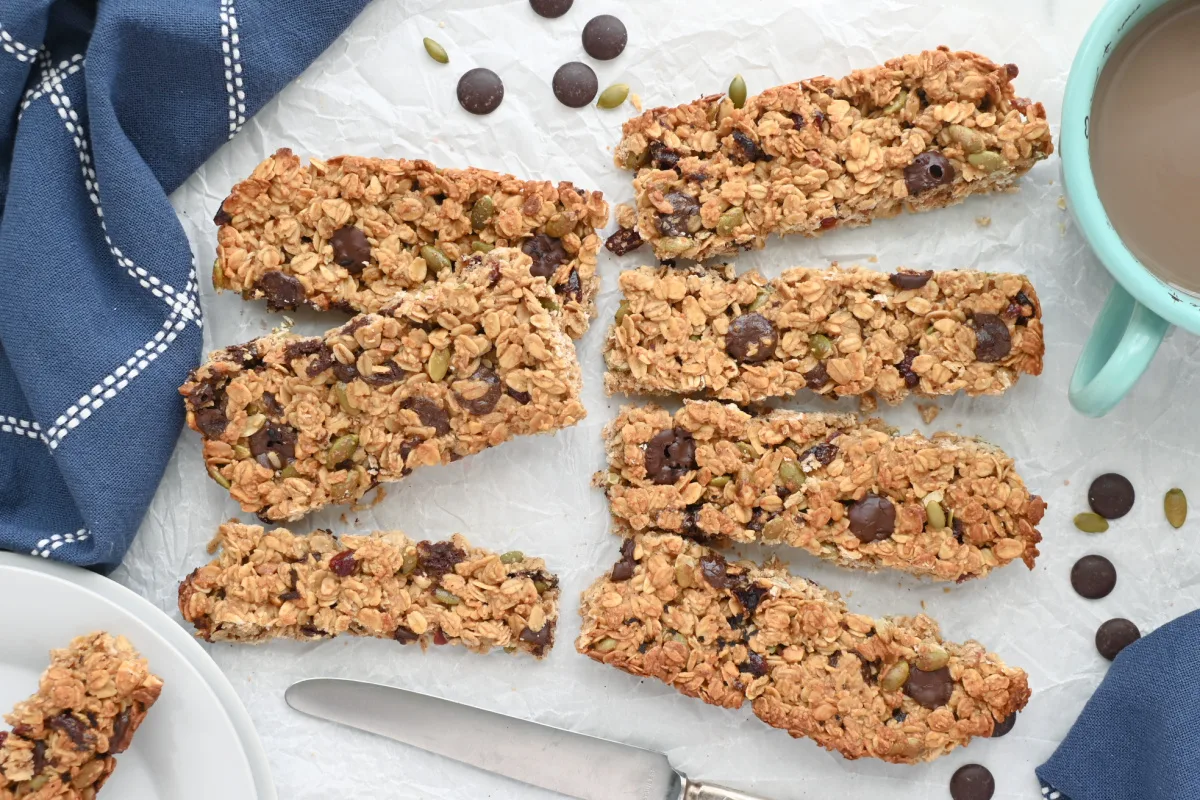
- Cookies & Quick Treats: My Sourdough Discard Lemon Blueberry Quick Bread and Sourdough Discard Peanut Butter Blossoms are perfect ways to use it up.
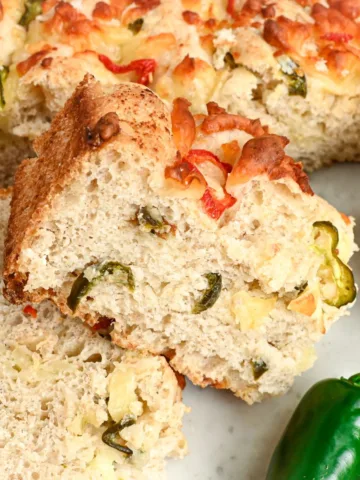
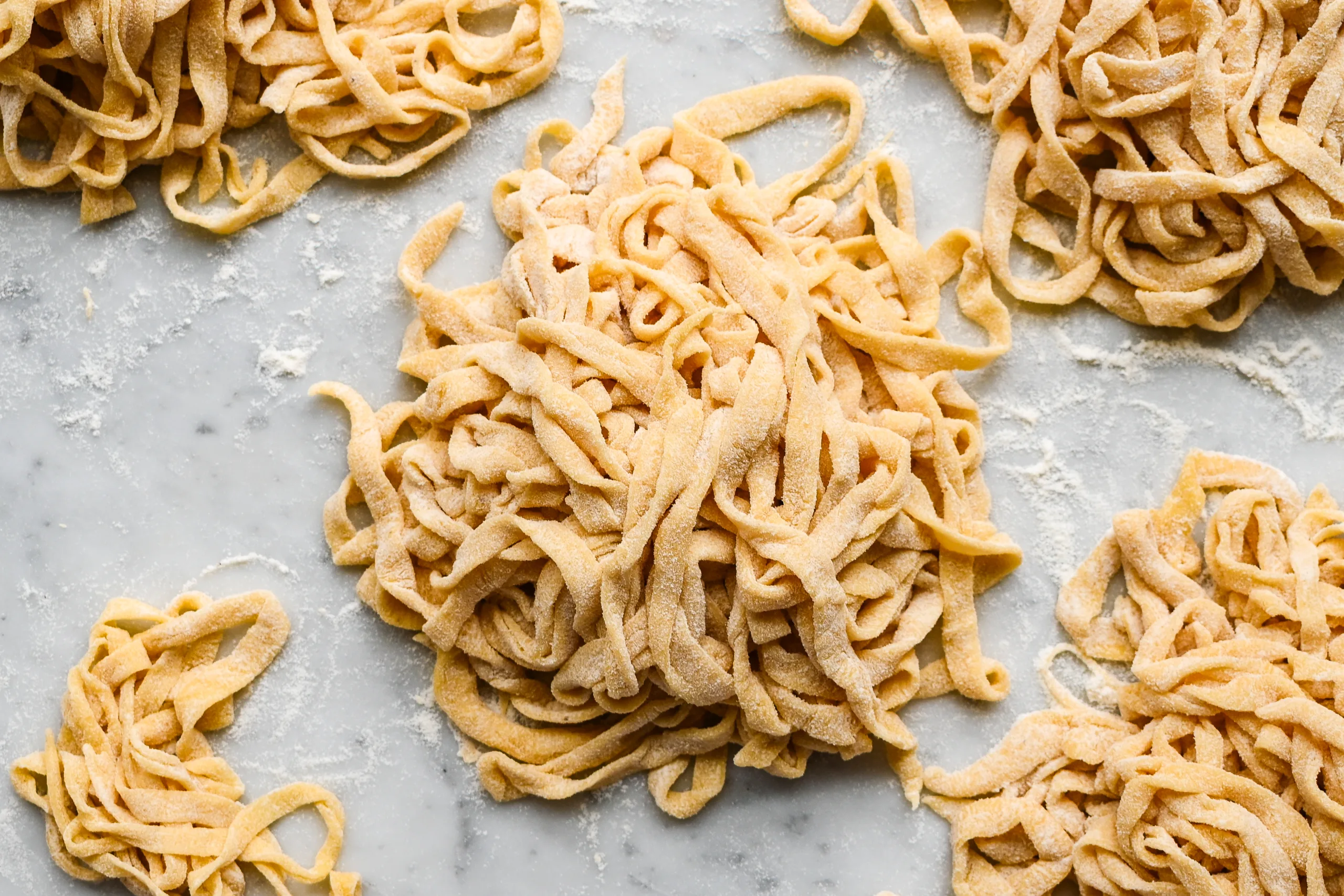
- Savory Recipes: You can even use it in flatbreads like Easy Italian Sourdough Flatbread or homemade Sourdough Pasta.
If you’re wondering what to make first, check out my 18 Quick and Easy Sweet Sourdough Discard Recipes for several easy recipes to start with!
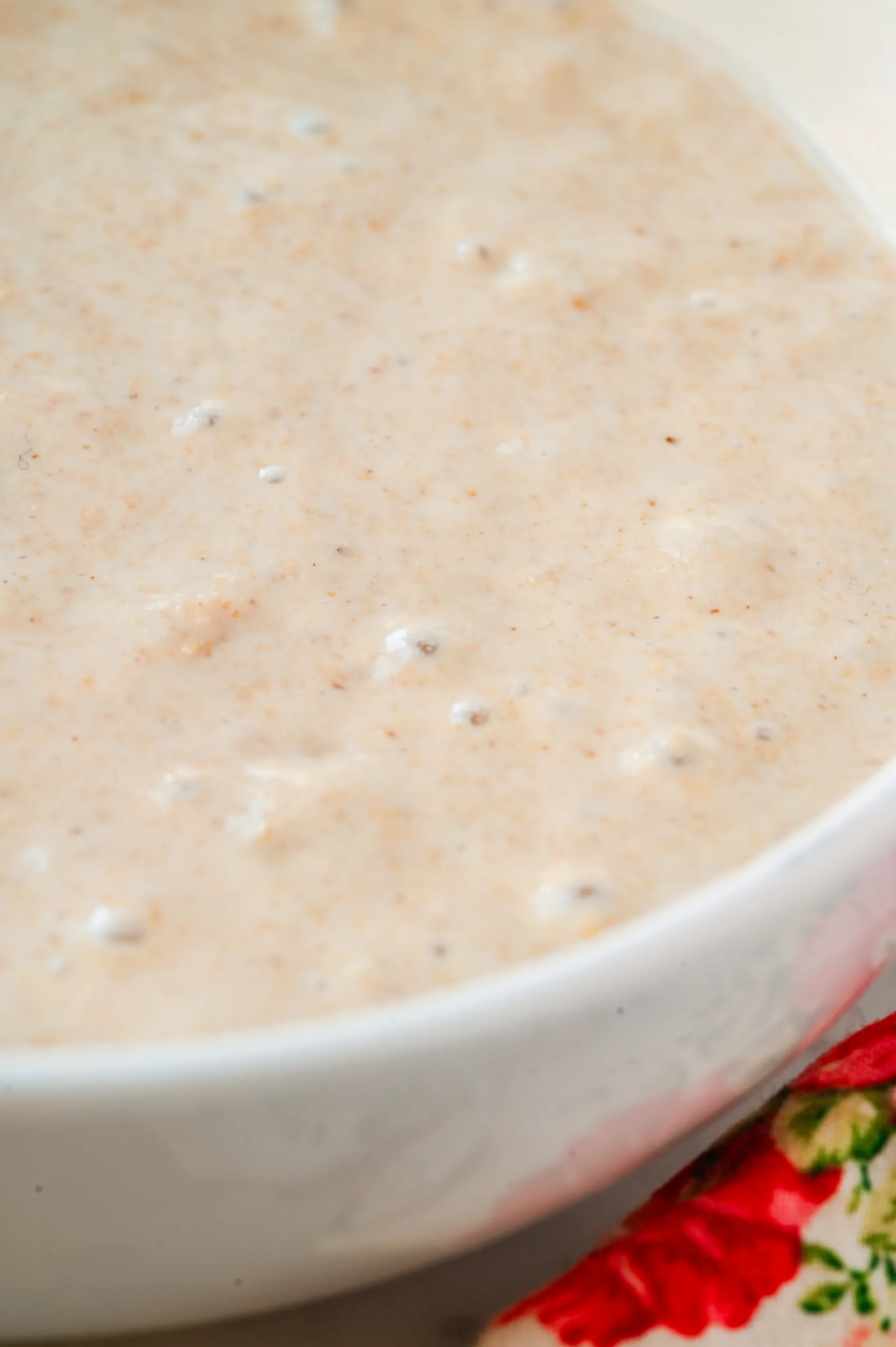
Can You Keep Sourdough Discard Forever?
Not forever. Over time, discard continues to ferment and becomes too acidic to use in baking. If it starts developing a strong alcohol smell or turns gray or pink, it’s time to compost it and start fresh.
To keep things simple, I like to keep just one jar in the fridge and use it regularly—especially on busy mornings when I want to whip up something quick.
FAQ: Common Questions About Sourdough Discard
1. Can I use sourdough discard straight from the fridge?
Yes! Cold discard works fine in most recipes. Just stir it well before adding.
2. Can I bake bread with discard?
Not usually. Discard alone doesn’t have enough yeast activity to make dough rise—but you can use it to start a pre-ferment or flavor dough made with commercial yeast.
3. Can I feed my starter with old discard?
No—you’ll want to feed your active starter with fresh flour and water. Discard is best used in recipes, not for maintaining the starter.
Experience the Joy of Homemade Baking
Once you start using your discard, you’ll realize it’s not waste—it’s an opportunity! Each scoop can become something delicious, from fluffy pancakes to tender cookies or even Whole Wheat Biscuits.
Bookmark this post for future reference, and next time you refresh your starter, you’ll know exactly what to do with that “extra.”


Tried this recipe?
I would love to see it! Tag me on Instagram @idiesfarm and #idiesfarm so I can share your beautiful creation!

Welcome!
Hi! I’m Stephanie, also known as Idie. Follow me as I tap into the methods of the past and learn how to make my world a little smaller.